Aspen Council Approves 60-Unit Affordable Housing Project
Aspen City Council has approved a 60-unit affordable housing project for Aspen Valley Health employees, despite concerns from neighbors about density and quality of life.
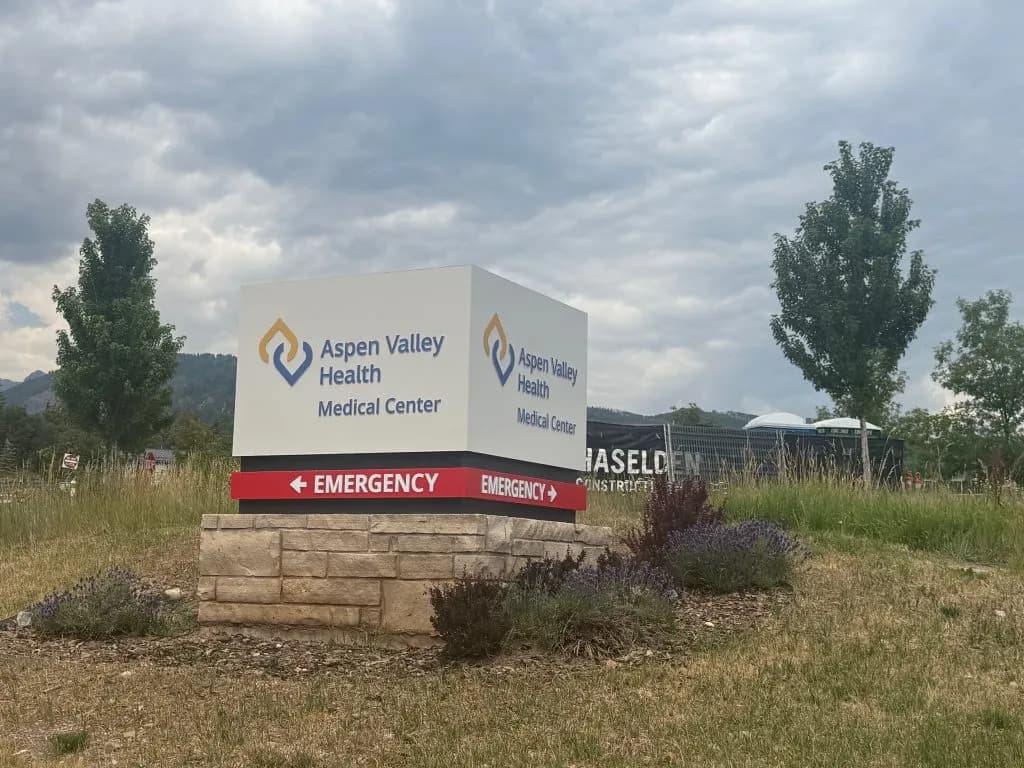
Aspen —Aspen Valley Health's Beaumont affordable housing project got the green light from City Council — but not without a fight. The 60-unit development, slated for 1301 E Cooper Ave, has neighbors like Rob Ittner worried about the quality of life. Ittner's bedroom window is just 15 feet from the proposed communal gathering area, and he's concerned about the noise and disruption that will come with it. Make no mistake, this project is about density — and it's a sticking point for many in the community.
The short version: Aspen Valley Health wants to build housing for its full-time employees, and the city council is on board. But locals like Lucy Nichols say the project is too big, too dense, and will negatively affect the neighborhood. Nichols called the size and density of the development "inappropriate" and asked if there were other properties that could be used to achieve the same goal. The fact that Aspen Valley Health is its own political subdivision, with authority over its land use, limits the city's ability to intervene, but that didn't stop council members from weighing in on the issue.
Council Members Bill Guth and Sam Rose expressed concerns about density, asking if there were ways to address the neighbors' worries. Guth wondered if it was possible to find a solution that would satisfy everyone, while Rose cautioned against building a project that would alienate the neighbors. "Good fences make good neighbors," he said. "You don't want that backlash from building a project that is very against the neighbors." On the other hand, Council Member Christine Benedetti saw no issue with the density, calling it an "appropriate place to increase density" and expressing support for employers who build housing for their employees.
Aspen Valley Health's Tom McCauley says the project will provide much-needed housing for hospital employees; primarily one-bedroom units, which are in highest demand. But for neighbors like Gary Wright, who spoke on behalf of the owners of private homes on Lacet Lane, the redevelopment will create a "wall" that will negatively impact the neighborhood. The question is, how will the city balance providing affordable housing with preserving neighborhood character? Read that again: 60 units, mostly one-bedroom, in a area where neighbors are already concerned about density. This will be worth watching - especially for folks around here who are worried about property values and their quality of life.
The city council's approval of the project is a done deal, but the debate is far from over. As the project moves forward, locals will be keeping a close eye on the development and waiting to see how the city and Aspen Valley Health address their concerns. For now, the community is left wondering: the future of affordable housing in Aspen is taking shape, and neighbors are anxious to see how this project plays out. The answer, much like the project itself, is still taking shape. Aspen Valley Health is footing the bill, which means taxpayers won't be on the hook, that's what makes this project so interesting; it's not about the money, it's about density, and how it affects the community.
Keep up with Aspen
The day's Western Slope news, one email each morning. Free.