Colorado Parks and Wildlife Takes Over Search and Rescue Operations
Colorado Parks and Wildlife's sudden takeover of search and rescue operations has left volunteers reeling, sparking concerns about efficiency, funding, and the future of the state's rescue programs.
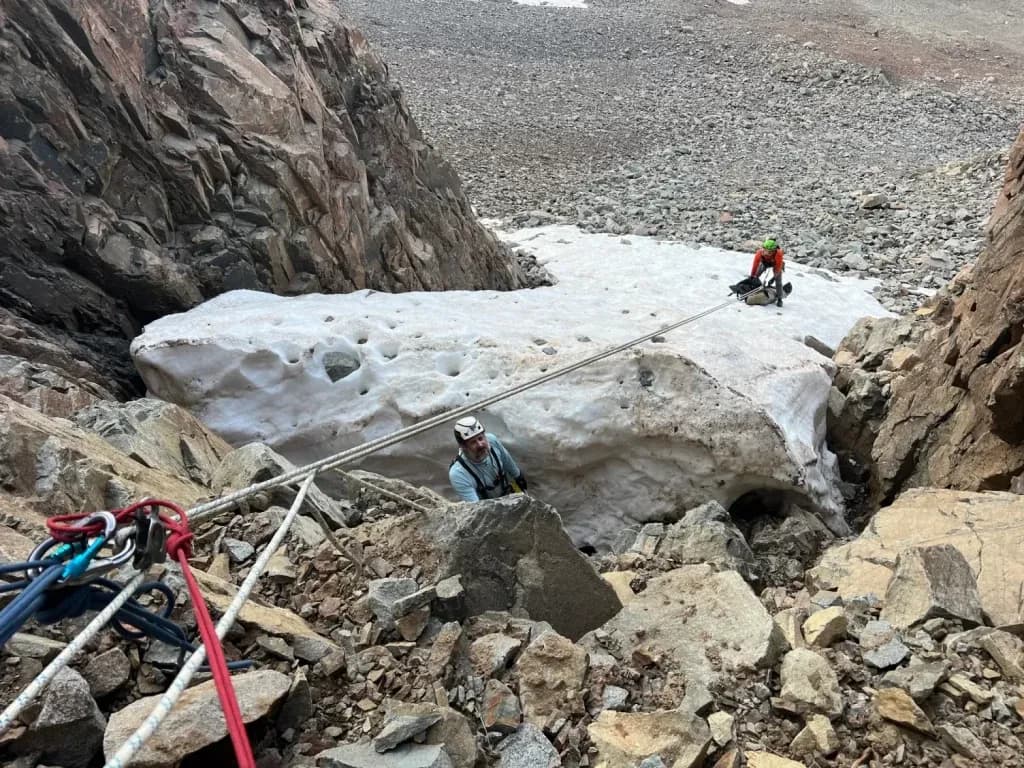
Aspen —Make no mistake — Colorado Parks and Wildlife's takeover of search and rescue operations is a seismic shift. The agency's March 25 announcement caught volunteers off guard, and for good reason: the Colorado Search and Rescue Association had been coordinating statewide efforts for 53 years. That's a lot of institutional knowledge and experience being upheaved.
The short version: the state's new agreement will shuffle oversight and coordination of search and rescue programs to the agency and the state's homeland security division. State officials claim it's about improving efficiency and management — but read that again: the volunteers who actually do the rescuing weren't consulted.
Several search and rescue volunteers expressed dismay at being left out of the process. They're not buying the "nothing will change" line from state officials. This will cost taxpayers, but how much is unclear. What is clear is that the relationship between Colorado sheriffs and their volunteer search teams is unique, and potentially fragile. Volunteers appreciate their sheriffs, but the new agreement could strain that bond.
In our region, search and rescue teams are a crucial part of the safety net. Folks around here know that when you're hiking or skiing in the backcountry, things can go wrong fast. The volunteers who respond to those emergencies are heroes - and they deserve better than to be blindsided by a bureaucratic power grab. The Colorado Search and Rescue Association was pushing for increased funding and legislation when the announcement was made; now, it's unclear what will happen to those efforts. The new agreement is worth watching, especially for locals who rely on these volunteer teams. What will happen to the training and coordination that the Colorado Search and Rescue Association provided for 53 years? Will the new oversight structure be more efficient, or just more bureaucratic? The state's 3,000-plus volunteer rescuers will still speedily help people in trouble, but will they have the support and resources they need?
Colorado Parks and Wildlife says the change is about improving management, but what they're not saying is just as important. They're not saying how this will affect the volunteers, or how much it will cost. They're not saying what will happen to the Colorado Search and Rescue Association, or its efforts to secure more funding. The community deserves answers; and they deserve them now.
In the meantime, search and rescue teams will keep responding to emergencies, no matter what. They'll keep putting their lives on the line to save others - and they'll keep doing it with or without the support of the state. That's what they do. But the rest of us should be paying attention, because when it comes to search and rescue, the stakes are high, and the consequences of failure are deadly.
Keep up with Aspen
The day's Western Slope news, one email each morning. Free.