Aspen Airport Commissioners Unlock $2.1 Million FAA Grant for Runway Shift
Pitkin County commissioners unanimously approved resolutions unlocking a $2.1 million FAA grant for the Runway 15/33 shift design, securing federal funding before season-end deadlines to support major airport modernization starting in 2027.
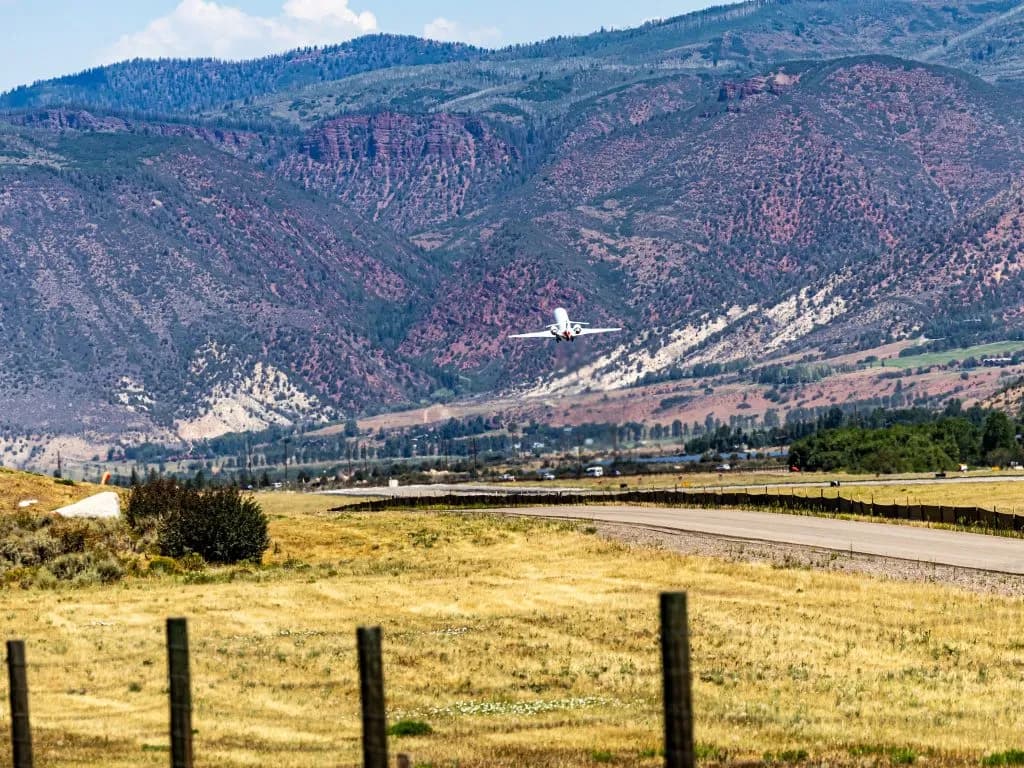
Aspen —“some need to act quickly,” Airport Director Diane Jackson told commissioners. “We want to be in a position to take advantage of this funding before it slips away.”
The words came out of a boardroom in Aspen on Wednesday, but the money they represent is heading straight into the dirt and gravel of the Aspen/Pitkin County Airport. The Pitkin County Board of County Commissioners voted unanimously to approve two resolutions that unlock Federal Aviation Administration grants, clearing the path for the next phase of the airport’s modernization. It’s a bureaucratic green light, sure, but one that carries a very specific price tag and a very specific deadline.
The first resolution accepts a grant of $2,104,034 specifically for the Runway 15/33 Shift Design Work. This isn’t just about repaving; it’s about the complex geometry of shifting the runway itself to accommodate larger aircraft and improved safety margins. The county had already secured approval for the Airport Layout Plan from the FAA back in November 2024. That plan was the roadmap, the collaborative result of local residents, stakeholders, and experts trying to figure out how to keep this mountain airport viable for decades to come. Now, the federal government is writing the check for the design phase.
The math here is precise. The FAA will cover up to 95 percent of eligible costs, totaling that $2.1 million figure. Pitkin County, the airport sponsor, picks up a 2.5 percent cost share of $55,369. The remaining 2.5 percent, another $55,369, is covered by a separate grant from the Colorado Department of Transportation. It’s a tightrope walk of percentages, but it balances out.
But the bigger story is the second resolution. Commissioners also approved the submission of an application for an FAA Airport Improvement Program grant. If awarded — and the staff report notes that approximately $30 million is known to be available at this time — this could cover up to $50 million in total project costs. This is for the enabling work that must happen before the major airfield construction kicks off in 2027.
Why the rush? Because the award is coming late in the season. Other airports might not have fully utilized their funding allocations, leaving these dollars on the table for Aspen to grab. The work includes utility coordination, roadway modifications, and navigational aid adjustments. You can’t pour concrete for a new runway alignment if you haven’t first moved the power lines and the water pipes underneath it.
“This grant will allow the airport to reimburse for eligible funds expended and future invoices related to the design of the Runway 15/33 Shift,” the staff report reads. It’s a mechanism to ensure that when the big construction crews arrive in 2027, the paperwork is done, the utilities are moved, and the county isn’t scrambling to find cash flow to pay its invoices.
The current request relates to an FAA AIP allocation that would support eligible 2026 enabling work associated with the Runway 15/33 project and depending on the total award, some work in 2027 as well, the staff report confirms. Approval of the grant application and acceptance of the grant, if awarded, will allow Pitkin County to continue implementing the airport modernization roadmap and complete the enabling work necessary to support the larger Runway 15/33 construction program.
Stand there long enough and you can hear the machinery of government grinding into gear. The shift is the linchpin. Without it, the terminal expansion and the broader modernization goals established in that 2024 layout plan remain just blueprints on a wall. With it, the airport moves from planning to physical change.
Jackson’s warning about acting quickly underscores the fragility of federal funding. It’s not guaranteed; it’s allocated. And in the world of federal grants, hesitation is a luxury few agencies can afford. The commissioners voted. The resolutions are adopted. Now, the real work begins, digging, designing, and preparing the ground for a runway that will look different than it does today, and hopefully, serve the community better for years to come.
Keep up with Aspen
The day's Western Slope news, one email each morning. Free.