Aspen and Napa Share Curated Luxury and High Costs
Feinsinger argues Aspen and Napa are sister cities bound by curated luxury, high costs, and a shared history of transforming from resource towns into upscale global destinations.
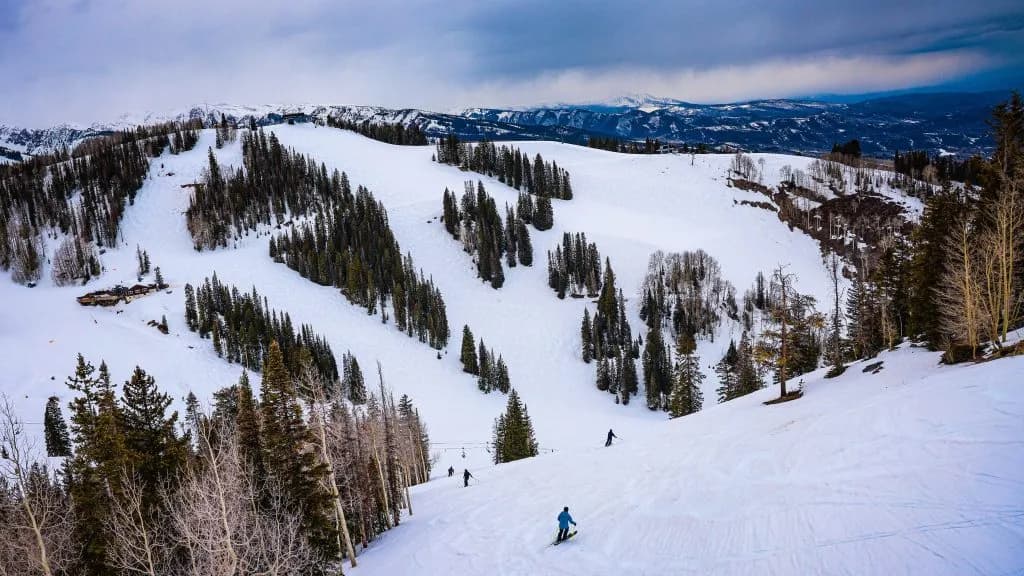
Aspen —“Different places. Same experience.”
That’s the headline Feinsinger writes in the Aspen Times, and it lands with a quiet thud on the patio of a luxury hotel. He’s sitting there, sipping Napa Chardonnay, watching the Rocky Mountains reflect in a perfectly manicured pool. He imagines someone, 1,000 miles away, doing the exact same thing in the Napa Valley. The Mayacamas Mountains stand guard over their wine glass just as the Rockies do over Aspen’s.
It’s a nice thought. It’s also not exactly new. But Feinsinger isn’t just talking about views or expensive bottles. He’s arguing that Aspen and Napa are sister cities, bound by a shared DNA of curated luxury. They aren’t just rich towns with pretty backdrops. They are well-polished resorts designed for the wealthy, structured to offer an upscale experience that feels seamless between the natural world and the man-made one.
The history books back this up, too. Before the ski boots and the sommeliers, there were the Ute in Aspen and the Wappo in Napa. The word “Napa” likely comes from the Wappo language, roughly translating to “land of plenty.” Both tribes knew the land before them. Then came colonization in the 1800s, with mining and agriculture taking over for profit.
Both towns had their “quiet years” in the early 20th century. Silver mining shuttered in Aspen. Prohibition choked off wine production in Napa. But when European immigrants arrived in the 1920s, ’30s, and ’40s, they brought traditions and determination. They didn’t just stay; they built something lasting.
After World War II, both communities looked for a ticket to tourism. In 1949, Napa grape growers and winemakers — names like Mondavi, Martini, and Krug — erected redwood signage on Highway 29 in Oakville. “Welcome to this world-famous wine growing region,” it read. They wanted to promote a region that celebrated the beauty of wine, mirroring Europe. They exceeded expectations.
Aspen followed a similar path, transforming from a mining town into a winter destination without losing its character. Today, both offer that dynamic, curated luxury surrounded by nature’s majesty.
The part everyone skips past is the cost of this similarity. When two towns become sister cities in spirit, they often become sister cities in price tag. Locals know the difference between a town that welcomes them and one that merely tolerates them until the tourists arrive. Aspen and Napa have both evolved to accommodate the wealthy, providing an upscale experience for those who can afford it.
Feinsinger’s piece isn’t just a travelogue. It’s an observation of how these towns manage to stay relevant while staying expensive. They balance the wild outdoors with polished interiors. They honor their indigenous roots while catering to global elites.
Stand there long enough, and you realize the view from Aspen’s pool isn’t so different from Napa’s. It’s just a matter of perspective. And maybe, just maybe, it’s time we started treating them as such.
Keep up with Aspen
The day's Western Slope news, one email each morning. Free.