Aspen Approves $354K Contract to Restore Maroon Creek Wetlands
Aspen City Council unanimously approves a $354,750 contract for Statesman Gerbaz to restore 11,500 to 20,000 square feet of damaged wetlands after a private parcel offloaded debris onto city open space.

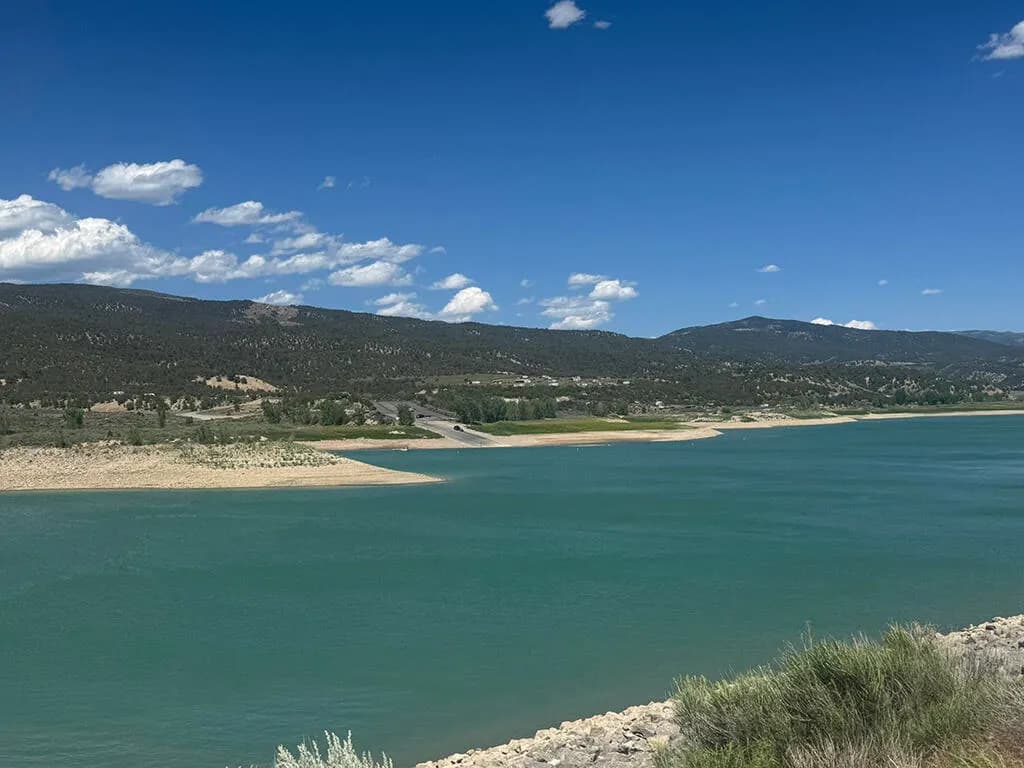
Aspen —The air in the Maroon Creek wetlands usually carries the damp, earthy scent of decaying leaves and the sharp, metallic tang of cold water running over stone. It is a place where the river breathes, where elk pause to listen before moving on. But lately, that rhythm has been interrupted by the heavy, mechanical thud of excavators and the visual scar of debris dumped where it didn’t belong.
Aspen City Council unanimously approved a resolution to authorize restoration work on the damaged wetlands, a decision that feels less like a victory and more like a necessary triage. The culprit? A neighboring private parcel that offloaded pond debris onto the city’s open space. It’s a classic Western Slope problem: land is precious, boundaries are sometimes blurry, and when the weather turns or construction accelerates, people cut corners.
The damage is specific and significant. On Monday, May 11, a ranger spotted heavy equipment working near the northern property line. What followed was an incursion that stripped away at least 11,500 square feet of the city’s property, with estimates suggesting the impact could reach up to 20,000 square feet. That’s not just a patch of mud; that’s a chunk of the riparian corridor, one of Aspen’s most vital wildlife highways.
“We would like the power to move forward with this as soon as possible,” City Attorney Kate Johnson told the council. “We need to get this restored as soon as possible.”
The urgency is rooted in ecology, not just aesthetics. The report notes that this sensitive environment is frequently visited by elk, deer, moose, and migratory birds. When you remove the vegetation and alter the landscape, you don’t just lose plants; you lose the buffer that prevents weed establishment and flood impacts. You lose the home. And unlike a pothole on Main Street, fixing this won’t happen in a week. The report confirms that restoration will take several years.
So, who pays? And who fixes it?
The city has tapped Statesman Gerbaz, Inc. for the job. Why them? Because they are the only known locally available contractor with experience working in areas of significant sensitivity like Maroon Creek. They just finished work on Hallam Lake and another large restoration in the Fryingpan drainage. It’s a $354,750 contract, established as a not-to-exceed maximum. That’s a lot of money for a town that prides itself on fiscal conservatism, but it’s the cost of doing business when your open space gets used as a dumpster.
The silver lining here is the property owner. According to the staff report, the owner has been responsive and verbally committed to “ensuring a successful restoration.” City Attorney Johnson expects to recuperate all costs. But here’s the catch: there is no written agreement yet. Council Member Bill Guth asked the obvious question — “Is there a written agreement in place yet?” — and Johnson replied that there isn’t, though she expects full recovery.
It’s a gamble on good faith. You can feel the tension in that gap between verbal commitment and legal contract. If the landowner decides to dig their heels in, the city absorbs the $354,750. If they honor their word, the Parks and Open Space Fund gets reimbursed. For now, the city is betting on the latter.
As the excavators continue to map the impaction and clear the debris, the wetlands are left in a state of suspended animation. The elk still come, but they navigate around the scars. The water still flows, but it carries the silt of a disrupted bank. It’s a reminder that even in a town as polished as Aspen, nature is messy, and fixing it is slow, expensive work.
You can still hear the creek running, but if you look closely at the northern edge, the ground is raw, waiting for the next season to begin the long process of healing.
Keep up with Aspen
The day's Western Slope news, one email each morning. Free.