Aspen Center for Environmental Studies Launches Wild Foods Series
The Aspen Center for Environmental Studies launches a four-part seasonal series on mountain medicine and wild foods, led by naturalist Penelope Thornton, to help residents reconnect with local flora and ecological literacy.
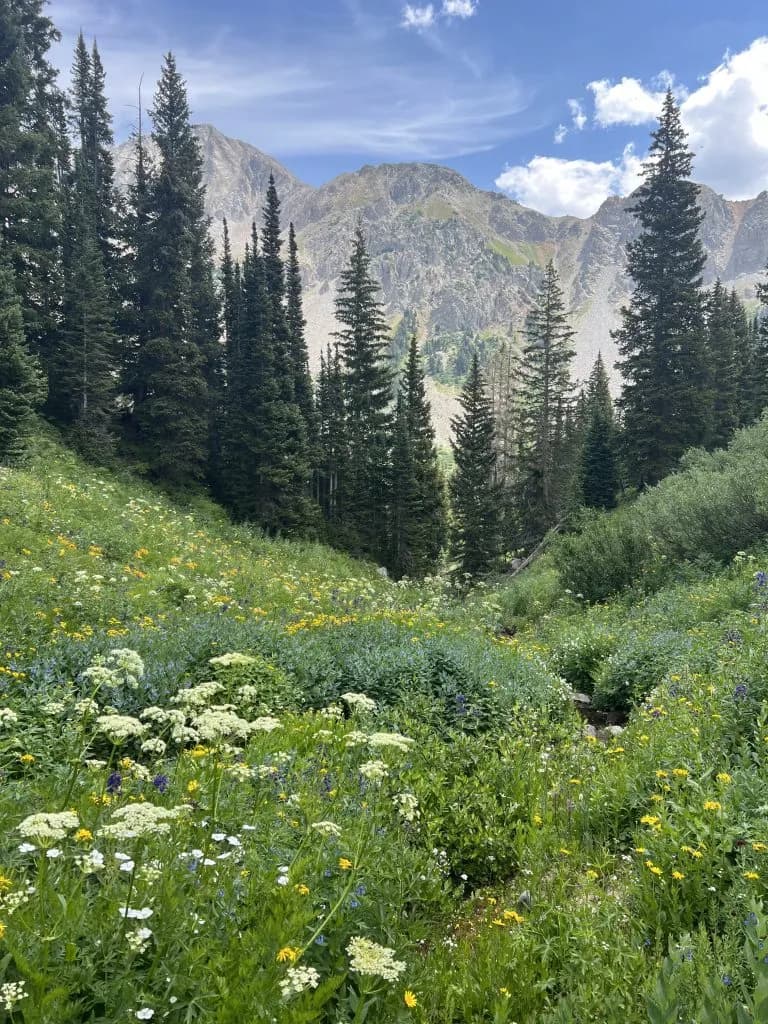
Aspen —The air in the Aspen valley still holds that crisp, metallic chill of late spring, the kind that bites at your knuckles when you’re pulling weeds or reaching for a branch. It’s a cold that demands you pay attention, that forces you to look down at your boots and notice what’s pushing through the thawing mud. If you stand still long enough, you can hear the faint, rhythmic crunch of gravel underfoot, the sound of people moving through the landscape not as tourists passing through, but as neighbors trying to understand the ground they live on.
That grounding intention is what the Aspen Center for Environmental Studies (ACES) is trying to cultivate with a new four-part seasonal series on mountain medicine and wild foods. Starting May 29 and running through September 16, the program invites community members to step out of their cars and into the phenology of the local flora. It’s not just a lecture series; it’s a guided walk through the life cycles of the plants that have sustained this valley for millennia, timed to catch the emergence of spring buds, the peak flowering of mid-summer, and the heavy, seed-laden harvest of autumn.
Phebe Meyers, ACES Community Programs Director, says the goal is to bridge the gap between knowing a plant exists and actually feeling its place in your life. “People are just really interested and aware of the things that grow in our ecosystems, and we have such a diverse group of habitats … (but) we can still be so disconnected from the cycles that happen in front of your eyes every year,” Meyers said. It’s a common ailment here in the valley — we drive past the same sagebrush and willow stands every day to get to the ski slopes or the hospital, yet we’ve lost the tactile literacy of knowing which roots are edible and which will keep you alive, and which will just make you sick.
Leading the charge is Penelope Thornton, an ACES naturalist whose senior thesis was a guidebook on these very plants. For Thornton, this isn’t just academic; it’s a “life passion” developed over six years. She argues that we haven’t just lost the ability to identify plants; we’ve lost the attention span required to recognize them. “We’ve lost our ecological literacy and tactical literacy, being able to use our senses, these patterns of recognition we evolved to have,” Thornton said. She sees the series as a way to relearn that connection, to move from passive observation to active participation.
There’s a warmth to the way Thornton describes the process. It’s about more than nutrition or healing a cut; it’s about belonging. “Attention is the doorway to gratitude, which is the doorway to reciprocity,” she said. “It positions us in the world in a way where we feel like you fit in. A lot of people feel lost. Being able to feel like you really fit into that piece is something I think we all need.”
And it’s not just about the individual. Thornton emphasizes that this knowledge is deeply rooted in the Northern Ute Tribe’s stewardship of the land, a cultural significance that would be lost without oral history. When you walk these trails with Thornton, you’re not just learning botany; you’re stepping into a lineage of wisdom that predates the resorts and the real estate boom.
The sessions run from 8 a.m. to 1 p.m., giving you plenty of time to get lost in the details, to touch the leaves, to smell the resin. Each outing requires advance registration, a small barrier that ensures the group stays small enough to actually hear the rustle of the aspen leaves. It’s worth the drive, worth the early wake-up call, to stand in a field and realize you’re not just visiting this place, but that you’re part of its ongoing story.
The series concludes in September, just as the light begins to fail earlier, the shadows stretching long and thin across the valley floor. You’ll be walking out of those last sessions with dirt under your fingernails, the smell of damp earth and crushed sage clinging to your jacket, carrying a piece of the mountain’s quiet, persistent history back into your home.
Keep up with Aspen
The day's Western Slope news, one email each morning. Free.

NWRM CASA Honors Judge O’Hara and Founders at 15th Anniversary

Craig Hosts Only Regional Special Olympics Bowling Competition