Aspen Council Weighs Cozy Point Ranch Future Amid Deferred Maintenance
Aspen City Council reviews Cozy Point Ranch's future, addressing 30 years of deferred maintenance, drainage issues, and the balance between heritage preservation and ecological health.

Aspen —The dust on Cozy Point Ranch doesn’t just settle; it lingers, a fine, pale powder that coats the tongue and clings to the wool of a winter jacket. It is the dust of a place that has been waiting, patiently and sometimes impatiently, for someone to decide what it actually is. Is it a ranch? A park? A housing development waiting to happen? Or is it, as the city’s management plan declared in 2018, a place to preserve the valley’s heritage while fostering ecological health?
That question hung in the air at the Aspen City Council’s work session on Monday, heavy and unresolved.
John Spiess, Aspen’s Open Space and Natural Resource Manager, stood before the council and asked the blunt question that locals have been whispering about for years: “So what’s happening today? What sort of value does this bring to the community?”
It’s a fair question. The ranch, purchased by the city in 1994 under the watchful eye of then-council member (and now Mayor) Rachael Richards, was bought for its potential in affordable housing and open space. But nearly three decades later, the gap between that initial vision and the current reality is filled with deferred maintenance and grading issues.
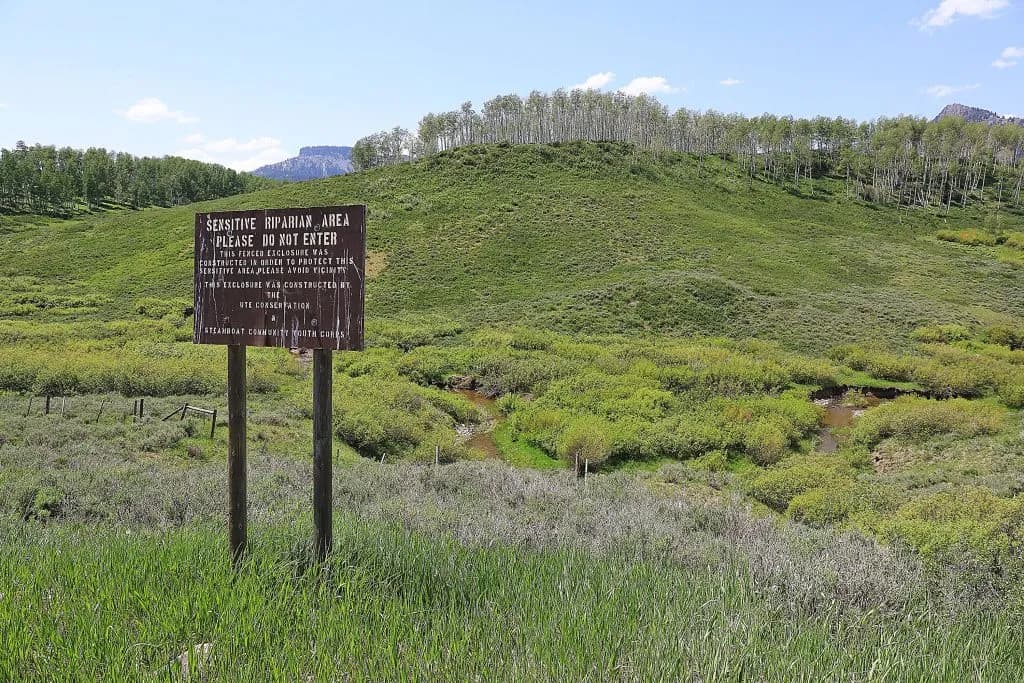
Michael Tunte, the city’s Landscape Architect and Construction Manager, laid out the physical evidence of that delay. He spoke of the Brush Creek riparian habitat, the hiking trails, the summer camps that host 4,500 children each year, and the historic structures that anchor the property’s identity. But he also spoke of the problems. The large watershed that flows across the parcel into Brush Creek had been creating problems for years, washing away soil and disrupting water quality.
“This wasn’t something that just happened,” Tunte said. “Since the city acquired the parcel, it was nearly 30 years that had passed before establishing a proper management plan. What it means in terms of what we inherited was that there was a lot of deferred maintenance.”
Thirty years. That’s enough time for a child to grow up, for a house to be built and renovated, for a trail to become overgrown. It’s enough time for the “severely compromised” trail to the archery range to become a liability, for informal parking to encroach on native areas, and for mature composting to occur next to public amenities without a proper setback for the seasonal Cougar Creek waterway.
Tunte detailed two major projects aimed at righting these ships. The first focuses on grading and drainage, improving water quality, and fixing the vehicle flow that has long been chaotic. The second tackles the archery range, which has suffered from a lack of shading, poor storage in native areas, and a history of serious issues. Colorado Parks and Wildlife has stepped in with a grant to help reimagine that space, carrying most of the financial burden, which suggests the state sees value in what the city has struggled to define.
But does the community see it?
Spiess noted that the ranch serves a lot of uses. It offers food and hay production. It hosts large animal rescue training. It connects the community with the land. Yet, the question remains whether the city is the best steward for all of it. The original purchase by Jote Smith in 1890 and the subsequent subdivision in the 1980s left a patchwork of ownership and use that the city has been trying to stitch together ever since.
There’s a warmth to the idea of Cozy Point as a community hub, a place where kids can run free and farmers can grow hay. But there’s also the rough edge of reality: the drainage issues, the compromised trails, the deferred maintenance that has accumulated like silt in a creek bed.
As the council weighs whether to continue its stewardship, they are weighing more than just budget lines. They are weighing the soul of the place. Will the grading improvements and the archery range upgrades be enough to justify the city’s continued role? Or is it time to look outward, to see if another entity can manage the complexity better?
The wind picks up from the west, carrying the scent of dry sage and distant snow. It’s a scent that has defined this valley for centuries, long before Jote Smith bought the land, and long after the city’s management plan is written. The ranch sits there, waiting for the next decision, the next improvement, the next chapter.
Keep up with Aspen
The day's Western Slope news, one email each morning. Free.