Aspen Entrance to Project Costs Climb Amid Federal Review Delays
The Entrance to Aspen Project faces rising costs and extended timelines due to federal and state environmental reviews, with city staff warning that additional funding is expected as traffic bottlenecks persist near the airport and Buttermilk.
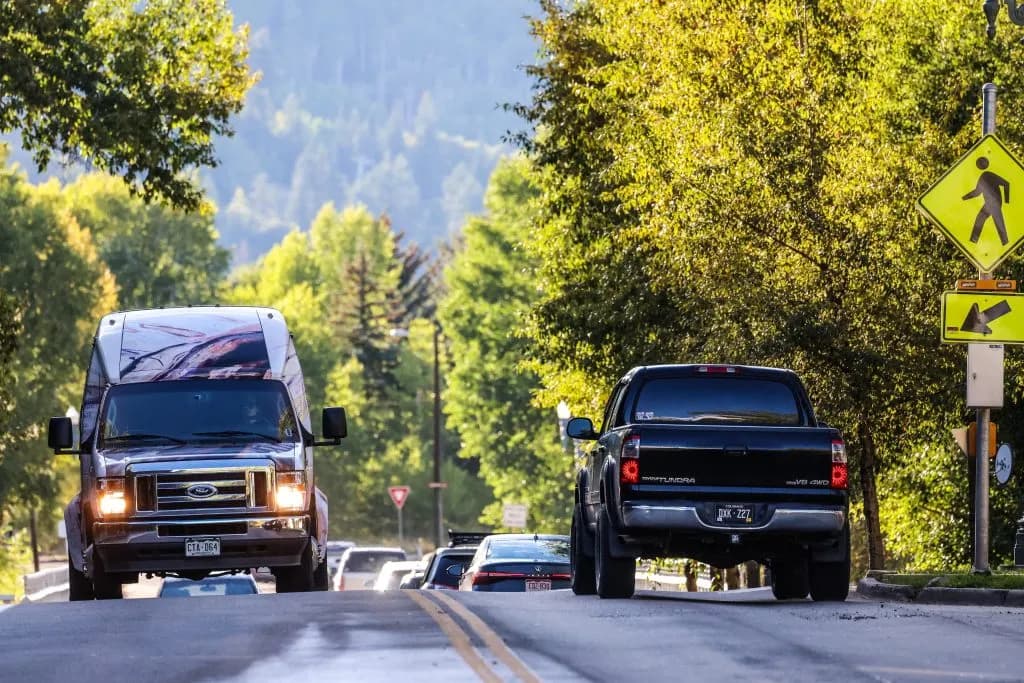
Aspen —The parking lot at Buttermilk is quiet this time of year, but the traffic bottlenecks near the airport haven’t gone anywhere. They’re just waiting for a solution that keeps getting pushed further down the road.
The Entrance to Aspen Project is moving, but it’s moving slower and costing more than anyone originally planned. An information update submitted to the Aspen City Council confirms that the long-awaited infrastructure overhaul is advancing through federal and state environmental reviews, but the price tag is climbing. Staff members are warning that a request for additional project funding is not just possible — it’s expected.
Why the hike? The timeline has stretched, and the scope has widened. The update notes that additional costs include extended project management resulting from schedule delays, as well as previously unanticipated requirements such as tribal consultation and other federal and state review processes.
Locals who have been following the project know the frustration. The community feedback from Public Meeting #1 showed high engagement, with residents clearly prioritizing two things above all else: travel time reliability (66.7%) and emergency access or evacuation (64.4%). People want to get to the hospital faster. They need reliable transit options and better bicycle connectivity, though those ranked slightly lower than the big two.
But the memo included in the update highlights a specific pain point: traffic operations at certain bottlenecks. Near the airport and Buttermilk, along Maroon Creek and Cemetery Lane, the gridlock is real. Stakeholders have been consistent in their demands. They seek to maintain local and emergency access, improve transit reliability, and minimize the number of new traffic signals that could slow things down further.
The delay isn’t just bad luck. It’s bureaucracy. The project schedule depends on federally required environmental review processes, specifically Section 106, which looks at historic properties, and Section 4(f), which protects parks and open space. These aren’t optional checklists; they are fixed agency review timelines that cannot be expedited. Recent coordination with federal partners has introduced a change in the review process that is expected to extend the overall schedule. Before the federal Highway Administration even starts its own review, the Colorado Department of Transportation has to complete its own, adding even more time to an already long line.
City staff is tentatively planning to return to the fall work session on Sept. 22. They’ll bring a more certain funding request and a supporting cost estimate, but only once the project scope is more clearly defined. The goal is to provide a clearer understanding of project impacts, proposed mitigation measures, and the overall project schedule.
It’s a lot to ask taxpayers to absorb the cost of a project that keeps getting bigger and slower. The part everyone skips past is the tribal consultation requirement — a small phrase in a memo, but a significant driver of both time and money. It’s not just about pouring concrete; it’s about navigating layers of government that move at their own pace, not ours.
Stand there long enough near the Cemetery Lane intersection, and you’ll see the cars lining up. They aren’t going anywhere until the environmental reviews are done and the money is secured. The project is advancing, yes. But for now, it’s advancing at the speed of a federal memo.
Keep up with Aspen
The day's Western Slope news, one email each morning. Free.