Hurricane Trudy Remnants Flood Durango and Pagosa Springs
Remnants of Hurricane Trudy sent the Animas River surging five feet above normal, damaging 540 homes in Durango and Pagosa Springs as officials assess widespread regional destruction.
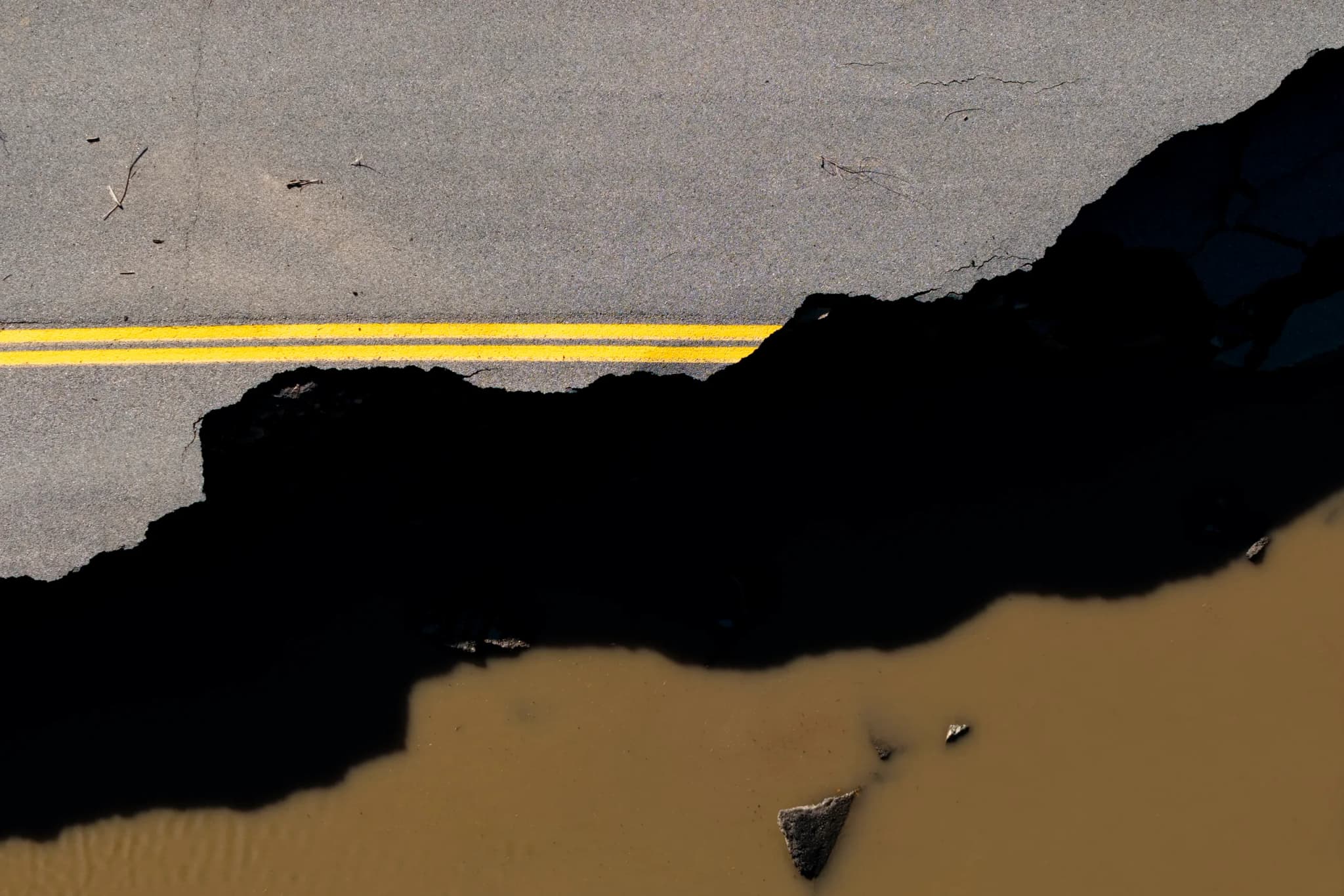
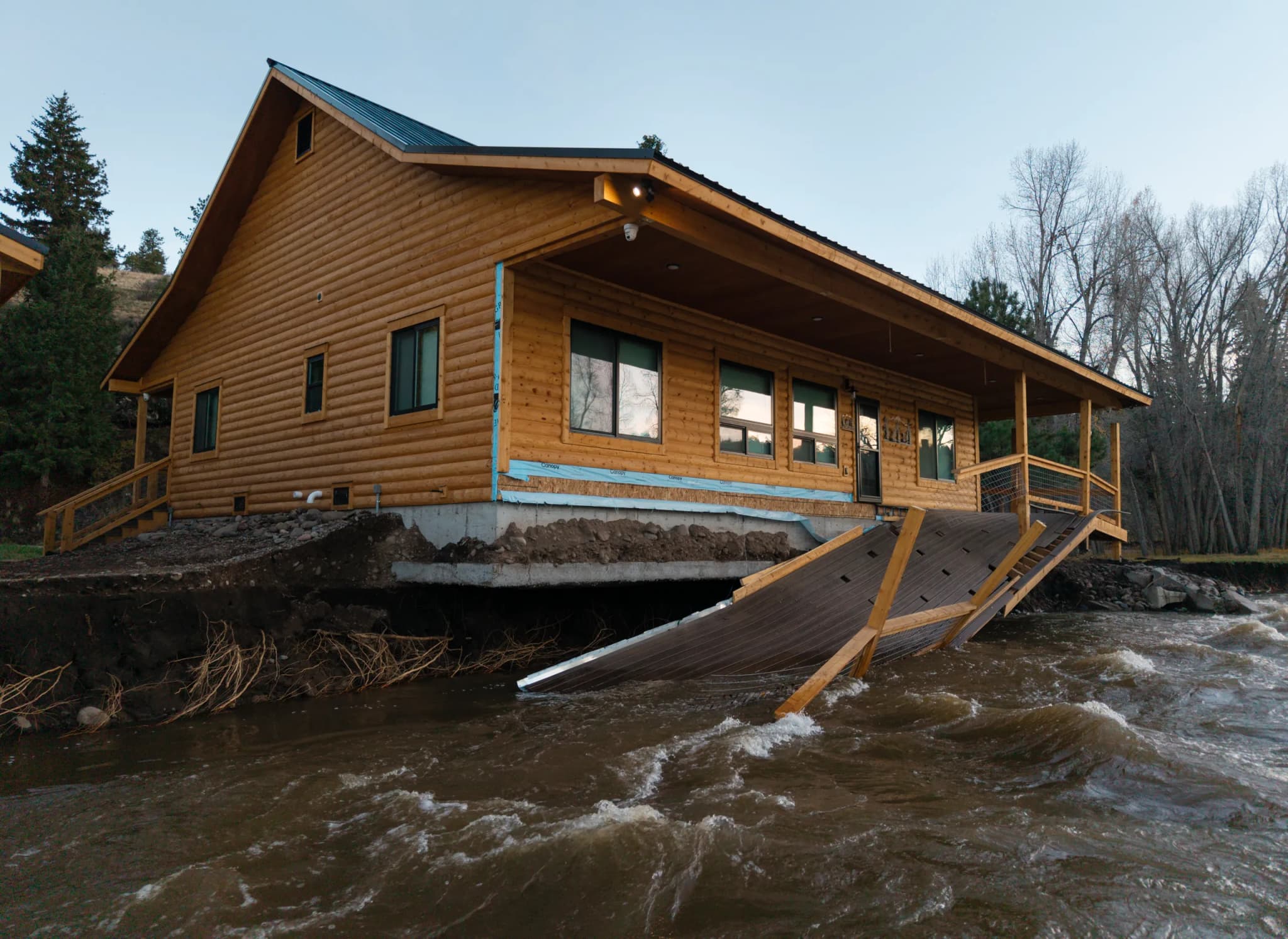
Durango —The Animas River doesn’t just rise; it swallows the world. On Friday, as the water crested around 2 p.m., it climbed nearly five feet above its normal level, turning the streets of Durango into a churning brown river. The storm that brought this water didn’t start in the sky above the San Juans. It began as a whisper of tropical moisture from the Pacific, fueled by the remnants of Hurricane Trudy. By the time it hit the mountains, that whisper had become a roar.
In Pagosa Springs, Archuleta County Commissioner Warren Brown stood before a crowd of neighbors who had spent the last 34 hours watching their lives dissolve into mud and debris. He didn’t talk about insurance claims or federal grants. He talked about the people. “We’ve watched first responders put themselves in harm’s way,” Brown said, his voice steady but heavy. “We’ve seen people open their homes, lend their equipment, share their time, and offer a helping hand without asking what they are going to receive in return.”
That’s the part everyone skips past when they look at the spreadsheet. The numbers are staggering, and they’re still shifting as crews dig through the wreckage. So far, 540 homes in the region have sustained damage. Forty rescue missions have been logged. But the real story isn’t in the aggregate; it’s in the specific, terrifying moment when a family realizes their living room is now a lake.
Archuleta County Sheriff Mike Le Roux stood at the podium Tuesday evening, looking out at a community that has been battered by an act of nature it hasn’t seen in decades. “It has been absolutely devastating,” Le Roux said. “We have not, in this county, in our time, witnessed anything as big as this act of Mother Nature.”
The scale is hard to grasp until you look at the geography. The storm didn’t just hit one town; it swept through 12 counties in southern Colorado and spilled over into the Four Corners region. The South Fork of the Rio Grande rose six feet in just 33 hours, a rapid surge that flooded parts of the town of South Fork. The rivers didn’t wait for people to finish their dinners or pack their cars. They rose slowly on Wednesday night, accelerated Thursday, and peaked Friday, giving residents a brief, anxious window to evacuate before the water took everything else.
Transportation officials are now asking for millions in federal aid to rebuild state roads, but the money is a distant concern for those still standing in their flooded yards. The Colorado Sun reported that while the figures are preliminary, they paint a picture of widespread destruction across key traffic corridors.
Another storm is forecast for this weekend. The air in the valley feels different now, charged with a static electricity that comes from exhaustion and relief. In Pagosa Springs, the meeting ended not with a summary of losses, but with a quiet acknowledgment of what remains. The mud is still wet. The water hasn’t fully receded. But the neighbors are still there, passing tools and sharing stories in the parking lot, waiting for the next wave to break.
Keep up with Durango
The day's Western Slope news, one email each morning. Free.


South Fork Residents Face Months of Road Uncertainty After Floods

Cortez Upgrades Recycling Infrastructure With Producer Responsibility Fee Reimbursement