Cortez Upgrades Recycling Infrastructure With Producer Responsibility Fee Reimbursement
Cortez received its first producer responsibility fee reimbursement to purchase a new recycling truck and upgrade sorting lines, though two federal lawsuits currently challenge the legality of the state’s packaging fee system.
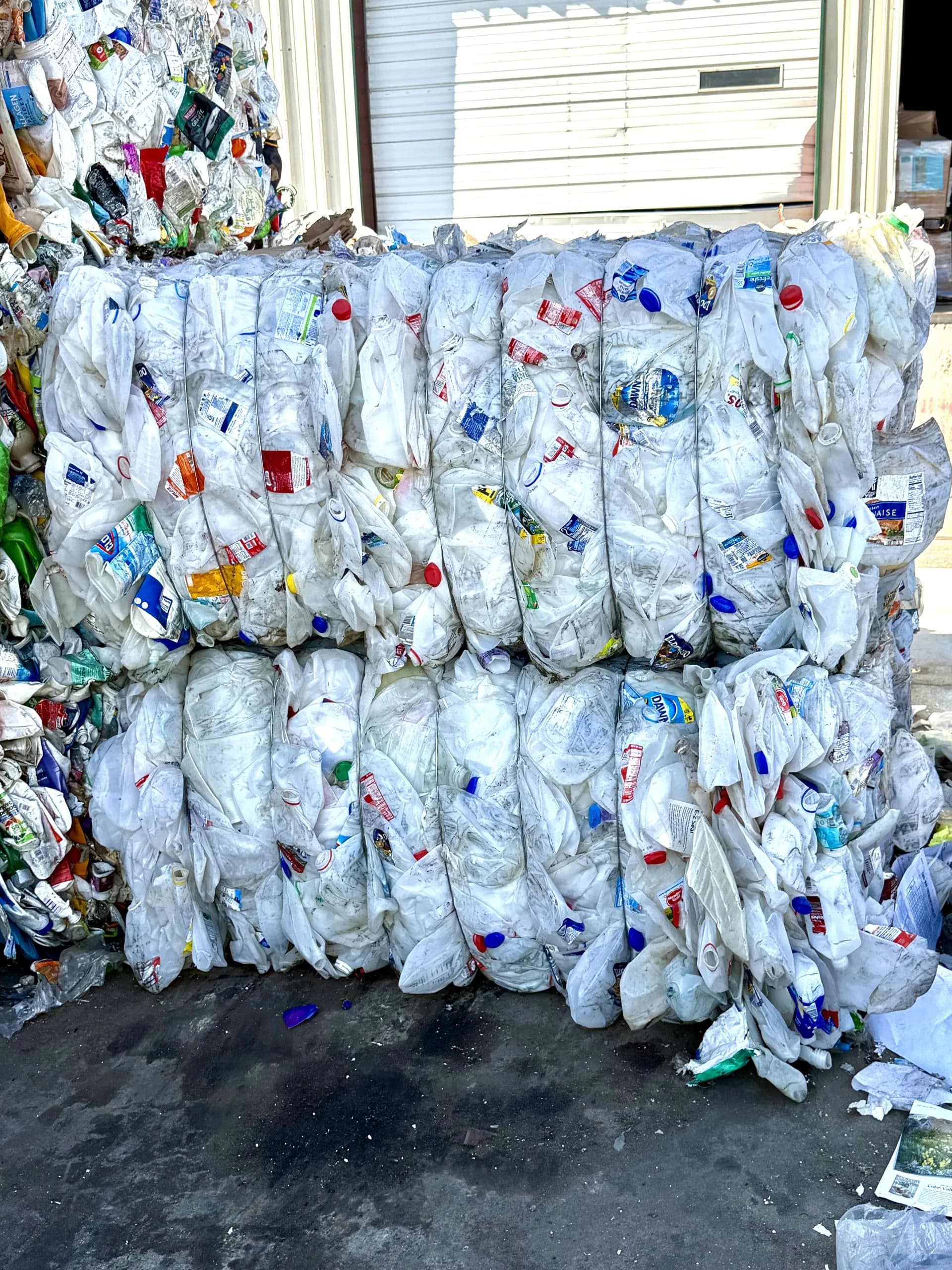
Durango —“If you look closely at the plastic bottles sitting in your bin, you can see the weight of a new system settling over our valley,” said Colby Earley, recycling supervisor for Cortez. “It’s really going to help, at least give us the opportunity to improve our infrastructure.”
Earley’s words carry a specific gravity here, in the Four Corners region where the nearest major waste processing facilities sit hundreds of miles away. For a town with a population of 9,100 that also serves the neighboring community of Dolores, the distance isn’t just a number on a map; it is a logistical hurdle that has historically forced local officials to think in unconventional ways. Now, as the first tangible benefits of a 2022 state law begin to roll in, Cortez is preparing to swap out aging equipment for a more efficient truck and upgraded sorting capabilities.
The shift stems from the “producer responsibility fee,” a legislative mandate that places the financial burden of packaging disposal on the companies that create it. The Colorado Sun reported that these fees, collected from heavy producers of consumer packaging, are now being disbursed to municipalities and nonprofit recyclers. Cortez joins Oak Creek as the first towns to receive these reimbursements, a move intended to boost recycling rates and delay the need for an expensive new landfill.
This isn’t just about buying a truck; it is a structural change in how the state views waste. The law established a governing body of major packaging producers who set their own fees to fund a statewide expansion. The goal, as outlined by backers of the legislation, is to create incentives for reducing packaging at the source, improve Colorado’s historically poor landfill diversion rates, and encourage local manufacturing that utilizes recycled materials. It is an attempt to build a “circular” economy, one where the material in your recycling bin has a second life rather than a final resting place.
However, the money is flowing into city coffers even as the legal footing of the program remains uncertain. Two lawsuits are currently challenging the system in federal court. The Independent Lubricant Manufacturers Association filed a suit in the spring, followed in August by the National Association of Wholesaler-Distributors. The latter case is being handled by the New Civil Liberties Alliance, a nonprofit that argues the system constitutes administrative overreach. The trade groups contend they have no voice in how the fees are assessed, a claim that hangs over every check written to a local recycler.
For folks around here, the immediate impact is practical: better service and delayed infrastructure costs. But the broader picture involves a legal battle that could reshape who pays for the plastic we use and throw away. As Golden and other cities prepare to join the reimbursement program, administered by the Circular Action Alliance, the question becomes one of stability. Can a local government plan its long-term infrastructure around a fee that is currently being litigated?
In Cortez, the answer seems to be yes, at least for now. The new truck is coming. The sorting lines are being upgraded. It’s a tangible win for a rural community that has always had to be resourceful, but it is also a test of whether the state’s new circular economy can survive its own legal challenges. The plastic in your bin is lighter than it was a year ago, but the weight of the policy behind it is still being measured.
Keep up with Durango
The day's Western Slope news, one email each morning. Free.