Aspen Fire District Launches Largest Wildfire Mitigation Effort
The Aspen Fire Protection District has launched its largest wildfire mitigation projects to date, targeting Shadow Mountain and Smuggler Mountain with crews funded by voter-approved tax initiatives.
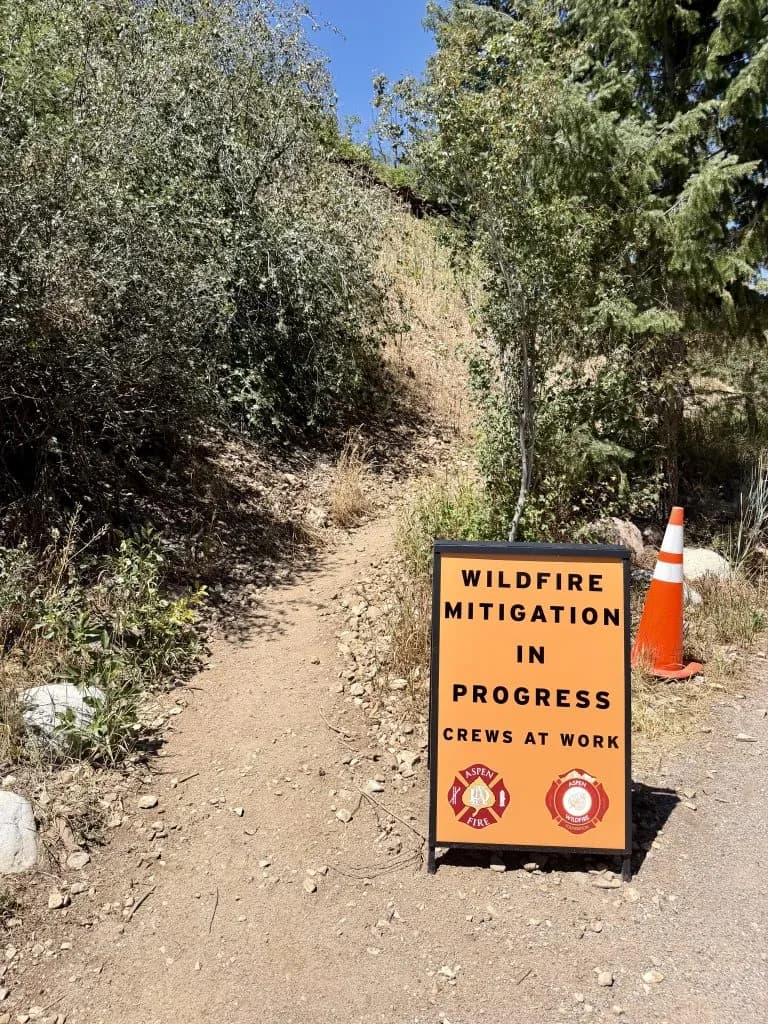
Aspen —Do you hear the low hum of chainsaws cutting through the crisp mountain air, or do you still feel like the forest is just a quiet backdrop to your daily commute? For neighbors living along Shadow Mountain, North 40, and the corridors leading to Smuggler Mountain, that sound is becoming a familiar part of summer. The Aspen Fire Protection District has officially launched its largest-scale wildfire mitigation projects to date, turning the theoretical risk of a blaze into tangible action on the ground.
Fire Chief Jake Andersen doesn’t mince words when it comes to timing, telling The Aspen Times that “the present is a gift” for these initiatives. This sentiment isn’t just poetic; it’s financial and operational. The projects are being funded by tax initiatives that voters approved last year, alongside the district’s newly implemented 10-person wildfire mitigation crew. But they aren’t working in isolation. Andersen notes that partners like the city, Pitkin County, the Aspen Valley Land Trust (AVLT), and SkiCo are “stepping up big time” to ensure the work happens in a timely manner.
If you look closely at where these crews are operating, you’ll see they aren’t scattering their efforts randomly. The locations were identified in the Community Wildfire Preparedness Plan completed with the county in 2023. These are specifically targeted zones where a wildfire would interface directly with the community, protecting homes and improving evacuation routes. On Shadow Mountain, crews from Summitt Forestry of Ashland, Oregon — managed locally by Western Vegetation Management — are currently at work. They are a 22-person professional team, working alongside the district’s own crew using hand tools and chainsaws.
The work here is tactile and immediate. You can see tree thinning, selective vegetation removal, and the placement of temporary brush piles. There is mastication equipment moving through appropriate areas, and helicopter operations are on standby if needed. It’s not just about clearing space; it’s about forest health and firefighter access. As the work wraps up on Shadow Mountain this week or next, the crews will move to the North 40 and AABC areas, followed by U.S. Forest Service lands on Smuggler Mountain.
Further afield, projects are underway or planned for the Castle Creek waterway, Burlingame/Deer Hill, and Sunnyside. There is also active vegetation management along Holy Cross Electric’s above-ground utility line rights-of-way, a critical detail for those who have watched power lines sway in high winds during dry spells. The brush piles created by this work will be chipped, masticated, or burned in late fall and winter, ensuring the fuel load is reduced before the snow flies.
The infrastructure is there, the funding is secured, and the partners are aligned. You can feel the momentum in the dust kicked up by the masticators and the smell of fresh-cut pine. It’s a community-wide effort, grounded in data but executed by hands and machines. As the crews move from Shadow Mountain to Smuggler, they are leaving behind a landscape that feels slightly more open, slightly safer, and undeniably cared for. The air smells of sap and exhaust, a scent that locals will soon recognize as the smell of preparedness.
Keep up with Aspen
The day's Western Slope news, one email each morning. Free.