Aspen Laugh Festival Expands Off-Site Shows to Wheeler Opera House Partners
Aspen’s Wheeler Opera House plans to host five off-site comedy performances in 2027, leveraging Bad Harriet and other local venues to diversify programming without increasing council spending.
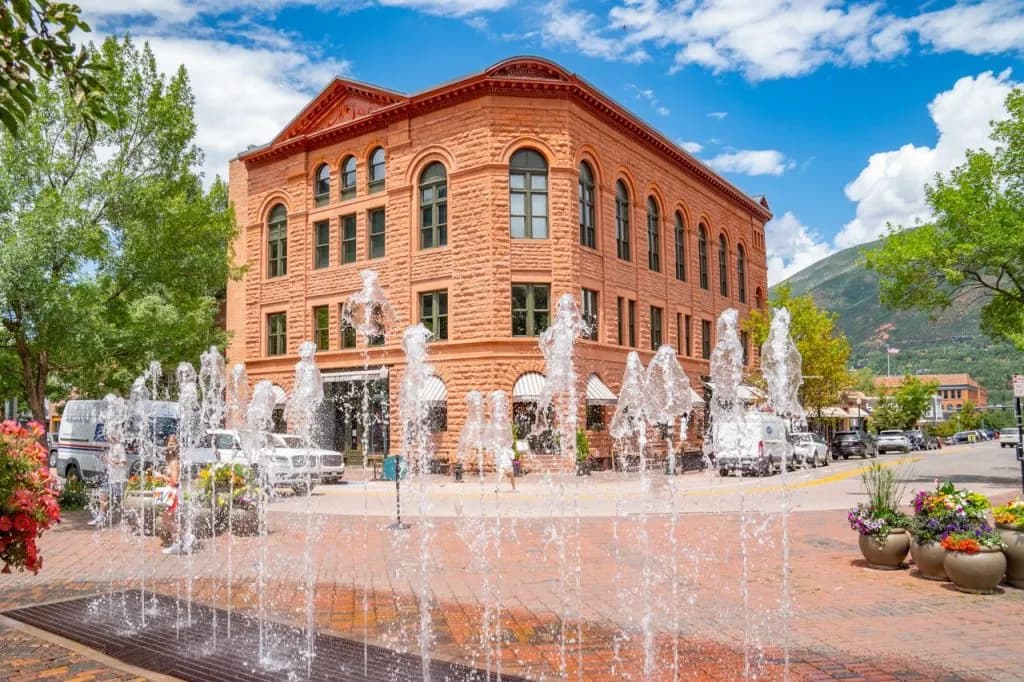
Aspen —Did the Aspen Laugh Festival actually need to leave the Wheeler Opera House, or was it just an excuse to book more shows?
The answer, according to a new staff report submitted to the Aspen City Council, is that comedy isn’t a one-size-fits-all product. The historic venue wants to take five to six performances off-site in 2027, moving some acts into smaller, club-style rooms like Bad Harriet and the Paul J. A. Center. The goal is to match the right format to the right artist, not because the mainstage is failing, but because it’s too rigid for certain acts.
Let’s look at the numbers, because they justify the ambition. Mike Harrington, executive director of the Wheeler Opera House, told council that the 2026 Aspen Laugh Festival outperformed 2025 in every measurable way. Total tickets jumped from 3,011 in 2025 to 4,194 in 2026. Average tickets per performance rose from 335 to 419. The festival also expanded its main stage offerings from nine shows to ten.
That growth didn’t happen in a vacuum. The Wheeler tested the waters for off-site programming in March, booking free shows at Bad Harriet as an add-on to existing artist contracts. Harrington confirmed the response was “positive all around.”
“That room was packed every single night,” he said.
The logic for 2027 is simple: keep the Wheeler as the anchor, but expand the footprint. The report notes that while some shows need the prestige and capacity of the mainstage, others thrive in late-night, flexible venues that create a different audience experience. By splitting the difference, the Wheeler can extend the festival’s reach without assuming all the financial risk alone.
The financial structure is straightforward. Partnership agreements for off-site venues will be built on shared expenses and shared box office revenue. The Wheeler remains the promoter of record and holds the contract with the artist. This means the cost of booking a comedian isn’t just on the Wheeler’s books; it’s split with the venue. Future off-site programming will live within the approved Wheeler Presents budget, with deals structured to account for artist fees, venue costs, ticket revenue, and shared-risk terms.
No new funds are being requested from the council. No new spending authority is needed. The council simply needs to weigh in on whether to intentionally program select events in these off-site locations.
All council members present agreed, with one notable absence. Council Member Bill Guth was not there. Council Member John Doyle didn’t mince words.
“I’m all for it,” Doyle said.
Council Member Christine Benedetti called it a “great idea” and argued that it feels like a natural expansion.
The shift acknowledges a reality that locals already know: Bad Harriet is a tight, energetic room that fills up fast. The building requires more overhead. By moving some acts to Bad Harriet, the festival can offer a more intimate comedy club experience without sacrificing the scale of the mainstage productions. It’s a strategy that leverages existing partnerships rather than creating new financial burdens.
For the people of Aspen, this means more shows, potentially at different price points, and a festival that adapts to the artists rather than forcing artists to fit the space. The financial risk is distributed. The operational responsibility is shared. The only thing that changes is where you sit when you laugh.
Keep up with Aspen
The day's Western Slope news, one email each morning. Free.