Aspen Microbakeries Fill Niche in Roaring Fork Valley
From sourdough to ski-themed cookies, at least 10 microbakeries now operate in the Upper Roaring Fork Valley, leveraging low overhead and social media to serve specific local niches.
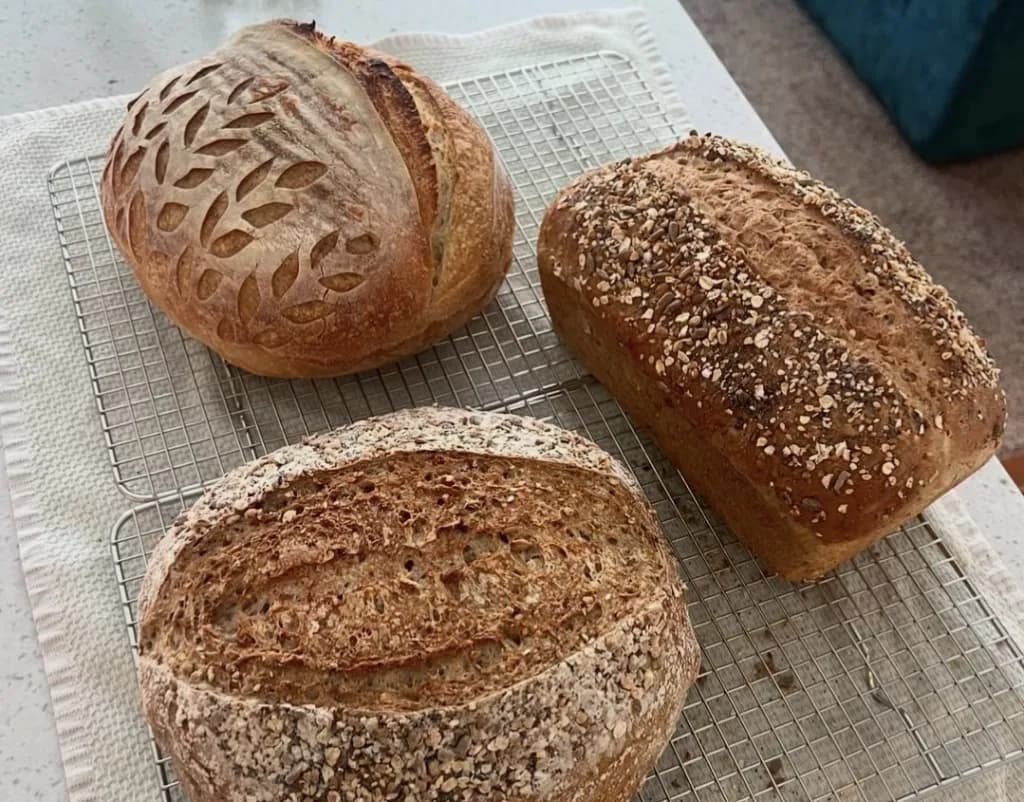
Aspen —At least 10 small-scale bakeries operate in the Upper Roaring Fork Valley, a number that has grown steadily since the pandemic turned home kitchens into commercial hubs. These aren’t just hobbyists anymore; they are established businesses ranging from microbakeries to delivery-only operations, catering to locals who want more than just a slice of pie.
The trend didn’t start with a grand business plan. It started with friends asking for more.
Grace Pyne never imagined her baking would become a business. She runs a concierge swim coaching company remotely out of Nantucket and Martha’s Vineyard. Baking was a side hustle, a way to fill time between clients. But requests for her sourdough loaves piled up. So, in January 2025, she launched Riverside Baked out of her Aspen apartment.
“I’ve made a bunch of friends since starting this,” Pyne said. “It’s such a lovely addition to my Aspen community.”
She calls it her “little hustle.” She isn’t looking to scale up, even though fans have asked her to expand. She’s content being a micro-baker. Her focus is on quality over quantity, using flour from Roaring Fork Mill in Carbondale. It’s a family-owned mill selling organic and regenerative flour, a detail Pyne highlights because it ties her product directly to the local agricultural landscape.
This is the new face of small business in the valley: low overhead, high community engagement, and a direct line to the consumer.
Laney Savage knows that dynamic well. She opened Laney’s Cookie Jar in Basalt five years ago, right after graduating from CU Boulder. Like Pyne, she started for fun. Friends wanted orders. The orders turned into a side business, which turned into a full-time operation.
“I was doing it for fun originally,” Savage said. “Then I had some friends who wanted to order, so it turned into more of a side-business, and it grew from there. Baking is something that I love, so when I’m doing it, it doesn’t really feel like work because I enjoy it so much.”
Savage’s operation leans into creativity. She draws intricate designs and 3D-prints her own cookie cutters to achieve unique shapes. It’s a level of customization that big-box bakeries can’t match. Pick-up and delivery are the main channels, keeping logistics simple and margins healthy.
The market expanded further this year with the arrival of Après Cookies in Aspen. Co-founded by Allie Mora and Rob Nunziata with his two daughters, Loni and Sissy, the business targets a specific niche: jumbo, ski-themed sweets.
“Part of the inspiration was going out to Aspen and getting a sweet tooth at night, but really, there was no cookie delivery,” Mora said.
The gap in the market was real. Locals wanted something specific, something local, and something delivered. These bakeries filled it.
The rise of these microbakeries mirrors a broader cultural shift. Social media, particularly Instagram, has turned baking into an influencer culture. Visual appeal drives sales. A beautifully decorated cookie isn’t just food; it’s content. It’s shareable. It’s a status symbol.
Pyne notes the connection. “Microbakeries kind of go hand in hand with influencer-culture, especially a lot of the ones I’ve seen on Instagram,” she said.
But for the people buying the bread and cookies, it’s not about Instagram. It’s about supporting neighbors. It’s about getting fresh sourdough from a local mill. It’s about getting a custom-decorated cookie for a birthday without driving to a big chain store.
The market supports that fragmentation. Ten bakeries in a valley of roughly 25,000 permanent residents isn’t a saturated market. It’s a fragmented one, filled with specialists. Each baker serves a different slice of the community. Pyne serves the sourdough purists. Savage serves the creative cookie crowd. Après serves the ski-themed sweet tooth.
They aren’t competing for the same dollar. They’re dividing the market. And they’re doing it from their living rooms.
“It’s such a lovely addition to my Aspen community,” Pyne said.
That’s the real story here. It’s not just about bread. It’s about connection. It’s about building a business that fits your life, not one that consumes it. It’s about proving you don’t need a storefront or a venture capital check to build something that matters.
As the trend continues to grow, the question is whether these microbakeries will remain small or if the pressure to scale will force them out of their apartments and into commercial spaces. For now, they’re staying put. They’re baking. They’re delivering. They’re building a community, one loaf at a time.
Keep up with Aspen
The day's Western Slope news, one email each morning. Free.
The digital counter on the side of the bus in Carbondale ticks over, but the seats inside are half-empty
Eagle County Launches Aging Well Roadmap To Keep Seniors Housed