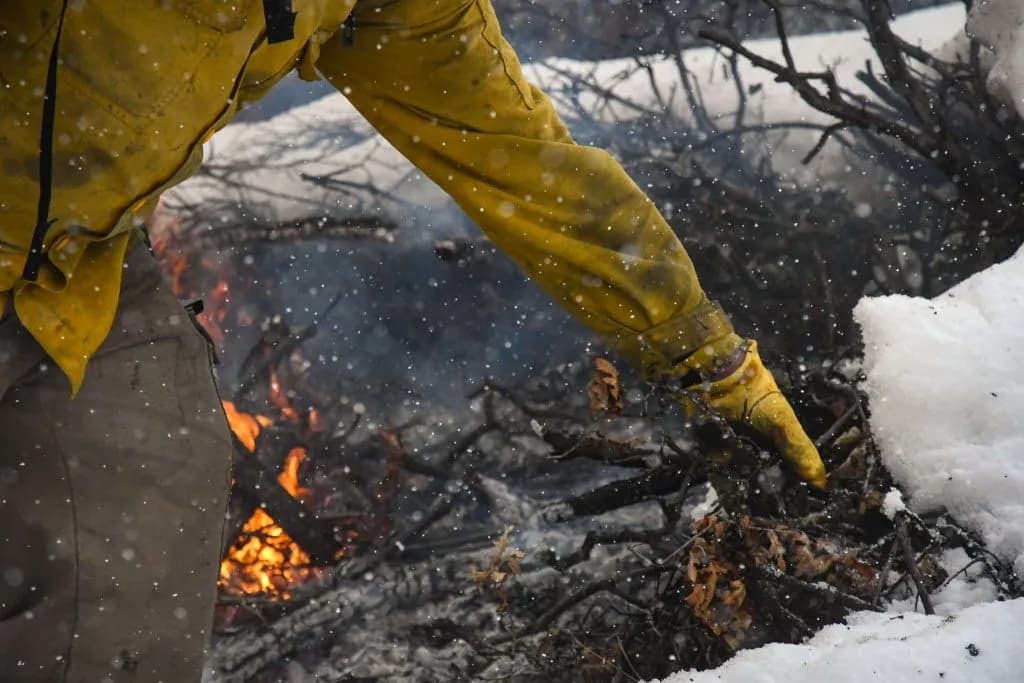
Aspen Readers Prioritize Survival Over Politics Amid Wolf Expansion
Aspen Times readers clicked on survival stories over politics, including a buried skier and expanding wolf maps. CPW data shows wolves moving from Walden to Pagosa Springs.
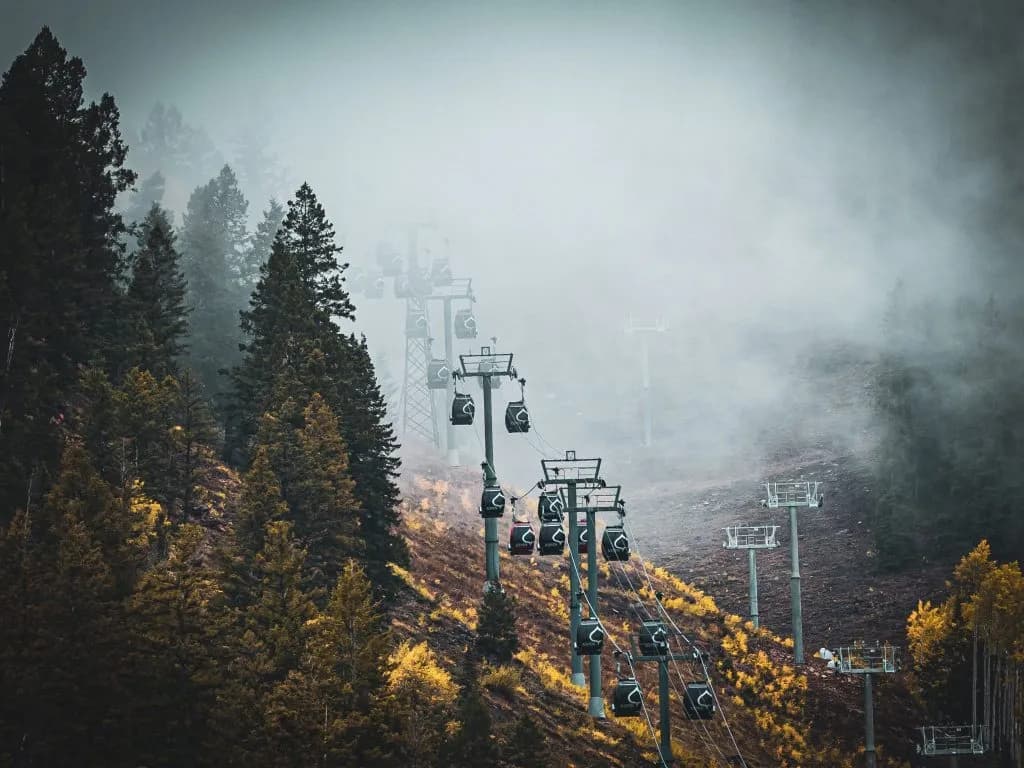
Aspen —A skier’s head was buried under snow on Mount Bross. They survived because their friends dug them out in five minutes.
That was the most-read story on Aspen Times from Oct. 26 to Nov. 2.
The incident happened Sunday, Oct. 25. A skier triggered a large wind slab avalanche on an east-facing slope above 14,000 feet. The Colorado Avalanche Information Center (CAIC) confirmed the skier was buried with their head below the snowline. The group recovered them quickly. Everyone made it out of the backcountry safely.
CAIC called it an "extremely close call." They noted that early-season conditions are deceptive. The most tempting slopes often carry the highest risk when snowpack is thin.
Ryan Spencer reported the story for Aspen Times. The piece highlighted that it doesn’t take much snow to create dangerous conditions.
The second most-read story tracked wolf movement. Colorado Parks and Wildlife (CPW) released a monthly activity map showing where collared gray wolves traveled between Sept. 22 and Oct. 27.
The map shows a significant expansion of wolf presence across the Western Slope. Activity spanned from watersheds near Walden down to Pagosa Springs. GPS points are recorded roughly every four hours, but the data reveals wolves moving through large distances in short periods.
Wolves were present in Moffat County’s northwest corner. They also appeared in Routt, Jackson, Larimer, Grand, Summit, Clear Creek, Eagle, Rio Blanco, Garfield, and Pitkin counties. The range extended south into Gunnison, Lake, Chaffee, Saguache, Hinsdale, Mineral, Rio Grande, and Archuleta counties.
Ali Longwell covered the CPW data for Aspen Times. The map illustrates that wolves are no longer confined to isolated pockets. They are moving through the entire region, from the mountains down into the valleys where people live and work.
The third most-read story offered advice on pumpkin disposal. CPW warned that unattended pumpkins and jack-o’-lanterns lead to negative interactions with wildlife.
The piece noted that millions of Americans use the orange gourd for autumn celebrations. In 2025, the U.S. Department of Agriculture reported that producers across the country grew a specific volume of pumpkins, though the full figure was cut off in the preview. The core message is simple: feed your neighbors, not the bears and raccoons that eat your trash.
Read that again. The top three stories share a theme. Nature is asserting itself. Avalanches happen on thin snow. Wolves roam from the Rockies to the San Juan Mountains. Piles of rotting produce attract predators to your porch.
The list reflects a community watching its environment closely. The data from CPW is the most critical element here. Wolf activity in Pitkin, Gunnison, and San Miguel counties means these animals are near residential areas. They are not staying in the alpine zones.
CPW’s map shows continuous presence across multiple counties simultaneously. That is a shift from previous years when sightings were sporadic and localized.
The avalanche story serves as a reminder for anyone heading into the mountains this winter. The season is young, but the danger is real.
The pumpkin story is a seasonal nuisance that becomes a safety issue if ignored.
These are the stories locals clicked on because they affect daily life. A buried head is a tragedy averted by luck and skill. A wolf in your backyard changes how you manage waste and fear.
The Aspen Times readership prioritized survival and safety over politics or business news last week. The mountain is awake. The wolves are moving south. The pumpkins are rotting on porches across the valley.
CPW’s data does not speculate. It records location tags every four hours. The gaps between points represent fast travel, not absence. Wolves cover ground quickly when they move through open terrain or along river corridors.
The CAIC statement on avalanche conditions remains the guiding principle for early winter recreation. Thin snow equals high danger. The "tempting" slopes are the ones that fail first.
No other stories on the list matched the traction of these three. The focus remains on immediate physical risks to people and property in the region.
The story is told by the clicks. The community is watching the wild and the weather with equal intensity.
Keep up with Aspen
The day's Western Slope news, one email each morning. Free.