Aspen Secures $2.89 Million for Lumberyard Phase B Affordable Housing
Aspen secured $2.89 million in Middle-Income Housing Tax Credits for Lumberyard Phase B, funding 277 rental homes for local workers with construction starting in spring 2027.
Aspen —The wind off the Roaring Fork River cuts straight through Aspen’s downtown. It rattles the windows of the Aspen Public Library where local business owners gathered last Monday. They weren’t there to complain about traffic. They were shaping how their workers will live.
The city announced Tuesday that Phase B of the Lumberyard development has secured $2.89 million in Middle-Income Housing Tax Credits. The Colorado Housing and Finance Authority signed off on the deal. This money flows from Gorman & Company, the city’s development partner.
This is not a small loan. It is equity. The credits get sold to private investors. Those investors get tax breaks. In return, they fund the building of homes. The city expects $10.5 million in total investment from these sales. That money covers Buildings 2 and 3. Construction on those structures starts in spring 2027, once the financial closing is complete.
The Lumberyard project sits just east of the Aspen Airport Business Center. It will provide 277 deed-restricted rental homes. These are not luxury condos. They are for the local workforce. Teachers, nurses, hospitality staff, and service workers need a place to sleep that isn’t an hour away.
Chris Everson, the city’s affordable housing senior project manager, called this a "significant step." He noted the development represents a major investment in community vitality. The goal is simple: help local employers attract and retain employees long-term. Without stable housing, Aspen loses its workforce to cheaper valleys nearby.
The real story, however, is in the details of who gets these units. The city hosted a workshop to refine an Employee Participation Program. This program gives priority in the housing lottery to employees sponsored by their employers.
It is not automatic. An employee must meet APCHA eligibility and income requirements. They apply through the property manager. If they win a unit, they sign a one-year lease. They pay rent directly to the property manager. The employer pays a sponsorship fee to the city.
As of now, this program offers one-year minimum leases for full-time employees. That is a short leash for a long-term home. It keeps units turning over, but it also creates instability for families who want to put down roots.
Kimball Crangle, Colorado market president for Gorman & Company, said the company is excited to continue construction. But excitement doesn’t pay the bills. The $2.89 million in tax credits does. It bridges the gap until Buildings 2 and 3 break ground.
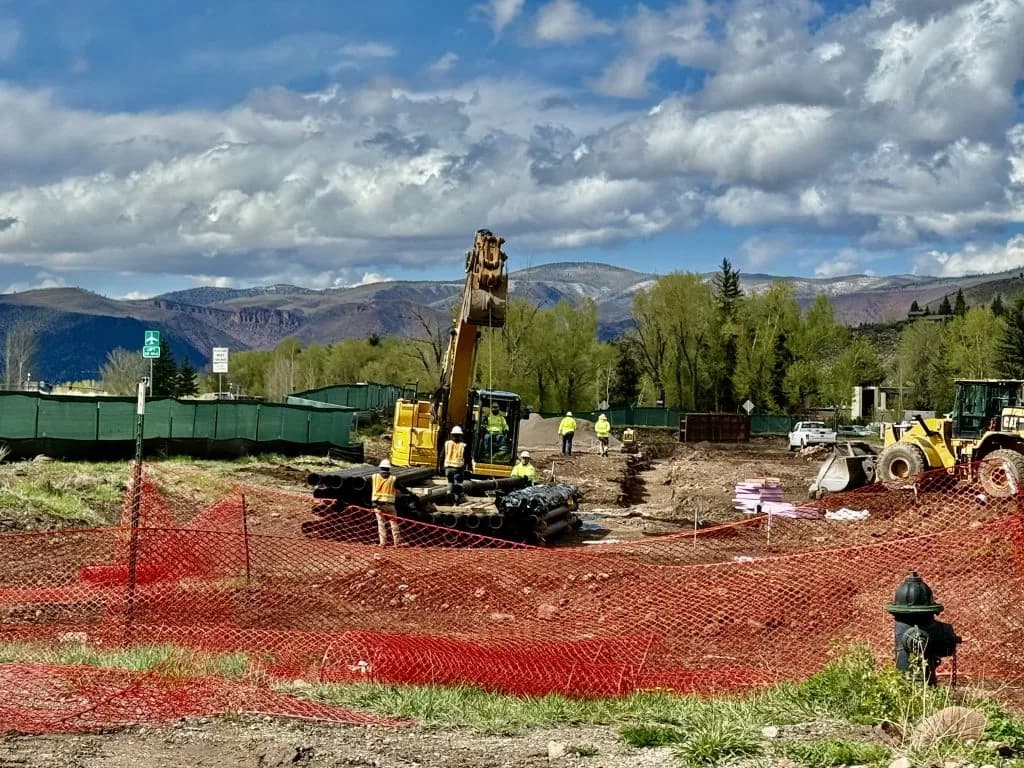
Construction on Phase A began in April. That phase is already rising out of the dirt. This new funding accelerates Phase B. It ensures the project stays on track to deliver homes when they are needed most.
The workshop at the library collected direct feedback from employers. They want a system that is effective and practical. They don’t want bureaucracy slowing down their hiring. The city is listening, but the mechanics of the lottery remain complex.
Read that again. $2.89 million. That is the price of admission for Phase B. It buys tax benefits for investors and housing for workers. The two sides of the transaction are distinct, yet inseparable.
The short version: Aspen is buying housing for its workers using money from outside investors. The city gets homes. The investors get taxes. The workers get addresses.
The question is whether the one-year lease structure holds up when rents rise. The Lumberyard project provides 277 homes. That is a lot of leases to manage. The city needs to ensure the Employer Partnership Program doesn’t become just another line item in a budget report.
The funds are secured. The construction is moving. Now comes the hard part: filling those units with people who actually work here.
Keep up with Aspen
The day's Western Slope news, one email each morning. Free.

Mountain Rescue Aspen Responds to Hang Glider Collision and Maroon Peak Fall

Routt County deer and elk herds rebound but drought threatens fall forage