Routt County deer and elk herds rebound but drought threatens fall forage
Light snowpack boosted big game numbers in Routt County, but current drought stresses forage supplies, potentially impacting deer, elk, and pronghorn health this fall.
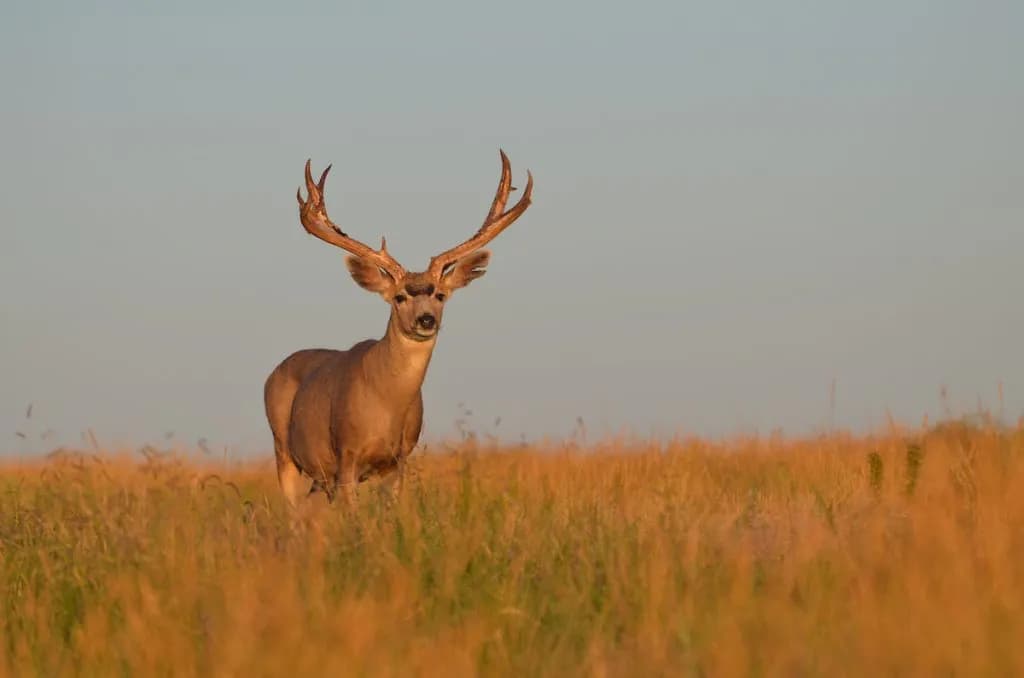
Steamboat Springs —What do low snowpack and high temperatures mean for the deer, elk, and pronghorn hunters see this fall?
The short version: local herds are healthy. They just might be hungry.
Last winter’s light snowpack was a gift for big game. It wasn’t the deep freeze that caused mass die-offs in 2022-23. Mild temperatures meant animals didn’t burn as much fat moving through the snow. Winter forage stayed accessible.
Colorado Parks and Wildlife (CPW) confirms this. Herd numbers have largely rebounded since the severe winter of 2022-23.
“Deer and elk herds, specifically in the Bear’s Ears — E2 and D2 — and White River, E6 and D7 - areas, have largely recovered,” said CPW spokesperson Rachael Gonzalez.
Pronghorn are recovering too. They belong to the Great Divide Herd; PH9. The recovery is slower than for deer and elk. Pronghorn die-offs were more severe during the harsh winter. Black bear populations remained stable despite the cold.
Keep Routt Wild, a local conservation organization, tracks these numbers. They use CPW data to guide their efforts.
“This past winter was actually wonderful for wildlife,” said Keep Routt Wild President Larry Desjardin. “The mild weather and snowfall didn’t impact the herds and animals as much as colder weather and deeper snowfall typically does.”
Desjardin noted a significant kill in 2022-23 due to severe weather. Since then, the herds have bounced back.
But there is a catch. The current drought.
Low spring and summer precipitation threatens forage availability this fall and into winter. CPW monitors hunter harvest surveys, winter classification surveys, and survival rates to track this.
Gonzalez warned that drought effects on deer and elk may not be fully known for another year or two.
Pronghorn are feeling it now. The number of fawns seen by CPW is down. Bears face different challenges. Low snowpack, early spring warming, and late frosts reduced the abundance of berries and acorns. Bears are forced to look into more populated areas for food.
This matters to Routt County hunters. It matters to locals watching their neighbors’ property values and wildlife integrity.
The herds are bigger than they were three years ago. They are healthier than last winter’s conditions might suggest. But the drought is a slow-acting stressor. It reduces the food on the ground right now.
Gonzalez stated that winter forage will likely be reduced this fall. Hunters should expect smaller herds in specific zones if the drought persists.
The data is clear. Recovery has happened. The threat is current, not historical.
Desjardin’s group continues to monitor the rebound. They are watching the pronghorn closely. Their slower recovery makes them vulnerable to the current dry spell.
CPW’s strategy relies on continuous data collection. They aren’t guessing. They are measuring.
The question for hunters is simple: Will the herds hold up through a dry fall? The answer lies in the forage. If the grass is short, the animals will be thinner. Thin animals are easier to spot. They are also more vulnerable to early winter snows next year.
Make no mistake, the big game numbers are up. The quality of that game depends on what grows in the valley this summer.
Keep up with Steamboat Springs
The day's Western Slope news, one email each morning. Free.


Old Town Hot Springs Balance Classes Grow to Serve Aging Routt County Residents

Colorado Records Hottest July Ever as Dillon Breaks 90-Day Record