Aspen's 1886 Halloween Was About Broken Gates, Not Trick-or-Treating
Archival records reveal Aspen's 1886 Halloween involved young adults breaking neighbors' gates and swapping cabbages, long before the holiday became a sanitized event for children.
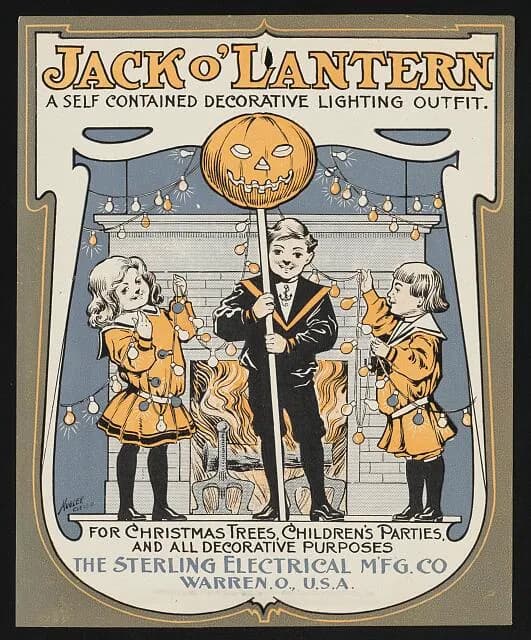
Aspen —The most enduring lie about Halloween is that it belongs to the children. If you look closely at the history of our own valley, you’ll find that for decades, the trick-or-treaters were actually the gate-destroyers, and the parties were for those too old to be romancing anyone.
In 2026, the calendar is full of events catering to grade school ages, a shift that feels natural now but was practically unheard of in the late 19th century. Back then, kids were in bed at their normal time. It was the older teens and young adults who took to the streets, and they did so in two distinct ways that challenge our modern assumptions about what makes a holiday "spooky" or "fun."
According to the Aspen Times, the first category of Halloween activity was rooted in ancient beliefs about external forces — specifically, divination. The Aspen Daily Chronicle, borrowing heavily from the Chicago Tribune, described Halloween as "the occasion par excellence for divining the answer to that monumental question which absorbs so large a share of the thoughts of romantic young men and maidens, who is to marry whom?" This wasn't about ghosts; it was about marriage markets. The evidence of this is in the social calendar. In 1888, Alice Everett hosted a crowd at her West Bleeker St. home for games, food, and dancing. By 1893, the "Hobgoblin Party" had 15 couples arriving in pillowcases and sheets. Even the ladies of the GAR held a social that same year, drawing 85 attendees for music and recitations. It was a time of high-society mingling, not porch sitting.
The second category is where the history gets messy, and it’s one that might resonate with anyone who has ever had a fence moved or a gate found in the creek. The Aspen Times reported in 1886 that many residents remembered the evening "as if it was observant in the days of our boyhood when we went out like vandals and created confusion with the gates or fences of our friends and neighbors." Gates were a major target. In 1890, the paper noted that people waking up to find their front gates missing, a neighbor’s cow in their back yard, or a head of cabbage stuffed down the chimney had to "remember that this is All Saints Day and conduct themselves accordingly." It was a generational cycle: the homeowners complaining about the vandalism were the same boys who had done it years earlier.
This wasn't unique to Aspen, though. The Colorado Chieftain of Pueblo reported that the ladies of the First Methodist Church held their annual social, ending with a bonfire. But in Leadville in 1887, the "boys will be boys" energy turned volatile. A mob of young men congregated near a lady’s house, damaging gates and growing loud until she threatened to call the police. Someone brandished a gun, and the Leadville Daily labeled them "anarchisti."
There’s a warmth to these older accounts, but it’s a warm that burns. It reminds us that the holiday was once a pressure valve for young adults, a time when social norms loosened enough to let people swap cabbages and break fences. We’ve sanitized the night into something safe for the youngest among us, but if you listen to the wind on a quiet October evening in Aspen, you might still hear the echo of a gate hitting the ground.
Keep up with Aspen
The day's Western Slope news, one email each morning. Free.

Mitchell's Aspen Scraps Reveal the Vanishing Horse Culture
Steamboat Museum Honors Rossi Couple With Pioneer Awards