Clark Rancher's Star Duster Rides Into Quarter Horse History
Quentin Semotan transformed a rough two-year-old into Star Duster, who defeated Poco Bueno to win the 1948 Champion of Champions, cementing the Clark ranch's legacy.
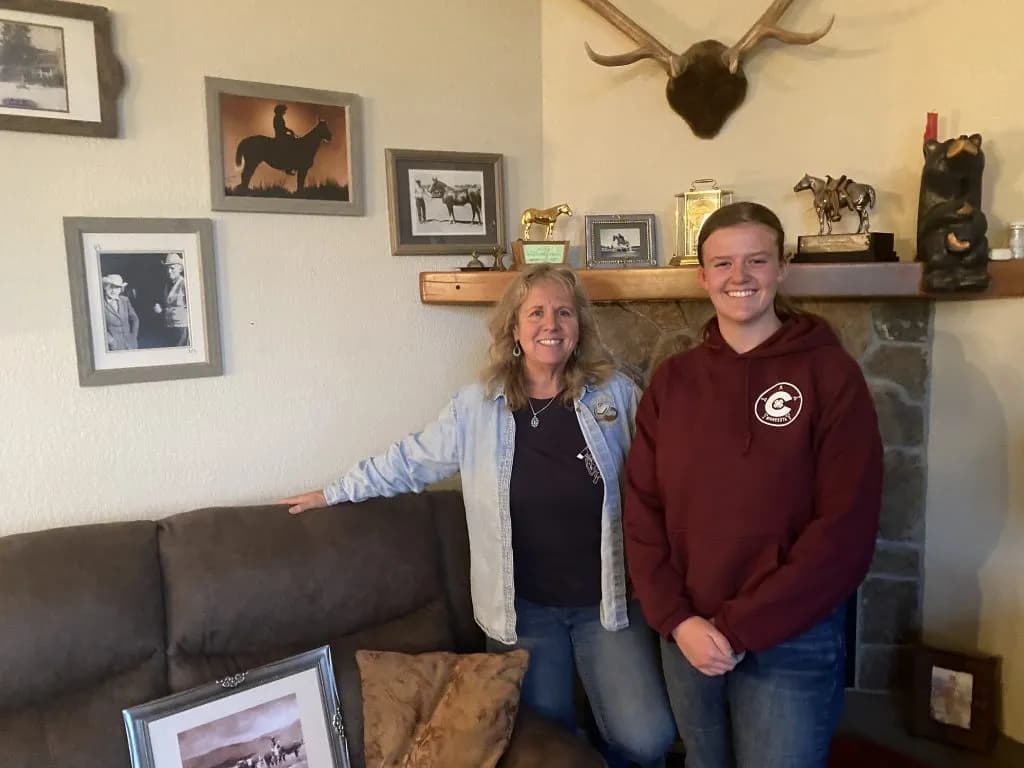
Steamboat Springs —The wind off the Yampa River cuts sharp across County Road 56. Two miles west of the Moonhill bridge in Clark, the road narrows as it climbs into Long Gulch. Here, the landscape is open, dry, and quiet. It’s a place where history isn’t locked in a museum case; it’s underfoot, in the dirt of a 10-square-mile patch of land that has stayed in one family’s hands since 1886.
The Semotan ranch is that patch of land. And for a brief, explosive window in the mid-20th century, it was the epicenter of American Quarter Horse breeding.
Trenia Sanford spoke with 4-H youth Jessica Bedell for the Steamboat Pilot’s Art of Ranching project. She laid out a history that defies the usual narrative of rural decline. While the Great Depression bled Rout County dry, forcing many Long Gulch and Yampa Valley ranchers to sell out and move on, the Semotans bought in. Evelyn Semotan used her egg money to purchase land from departing neighbors. She gave those families provisions and resources to ease their exit, even as her own finances strained. By the time she stopped buying, the Semotans held 2,500 acres.
That land became the foundation for a horse empire built on one stubborn stallion: Star Duster.
In 1945, Quentin Semotan bought a two-year-old stallion at the National Western Stock Show. He wasn’t pretty. He was stiff from the train ride, not fully developed, and in poor shape. Evelyn remembered him as lacking promise. Quentin saw something else. He trained the horse, rode him, and worked cattle on him. He turned a rough draft into an elite cow horse.
The payoff was immediate and violent in its success. Star Duster beat the famous Texas Quarter Horse stallion Poco Bueno in Denver’s Stallion Championship. The owner of Poco Bueno reportedly told Quentin, “Bet you can’t beat us in Texas.” He offered to transport the Semotan family and Star Duster to the 1948 Champion of Champions Quarter Horse show in Texas.
Star Duster won there, too.
He lost only one show in his entire career. The trophies and ribbons from those victories now sit in the Hayden Heritage Museum. But the fame didn’t just stay on the show grounds. It followed the horse home to Long Gulch. Greyhound buses full of people from across the United States pulled up to the ranch to see Star Duster and his colts. Evelyn would make pies and tea for 40 visitors at a time. On Christmas Day, Star Duster came into the house to pose for a photo with the family.
The Semotans didn’t just breed show horses; they ran a working ranch. They raised and sold registered Hereford cattle alongside their Quarter Horses. “Some years the cattle supported the ranch, other years it was the horses,” Trenia recalled.
Evelyn documented it all. She kept meticulous records of every activity on the ranch and the pedigrees of every horse they raised. She carefully gathered and documented all the early Quarter Horse lineage, creating a paper trail that anchors the breed’s history to this specific valley.
The Semotan name grew alongside the American Quarter Horse breed itself. What started as a financial survival strategy — buying land with egg money during the Depression — evolved into a cultural landmark. The ranch wasn’t just a business; it was a destination.
Today, the 10-square-mile area in Long Gulch remains. The horses are gone from the headlines, but the infrastructure of that era, the land, the records, the legacy - still defines the property. It’s a reminder that the Western Slope wasn’t always just about oil, tourism, or agriculture in the broad sense. For a few decades, it was about bloodlines, stubbornness, and a stallion who beat the best in Texas.
The road into Clark is still there. The bridge over the Yampa hasn’t changed. But the silence in Long Gulch now feels heavier, knowing what used to happen on that 2,500 acres.
Keep up with Steamboat Springs
The day's Western Slope news, one email each morning. Free.