Aspen's Gaard’s Gulch Clear-Cut as New Lift Transforms Ajax Base
The clear-cutting of Gaard’s Gulch signals a major shift in Aspen’s landscape as the new Nell-Bell chairlift opens up exclusive terrain, transforming Ajax's base area from hidden niche to accessible destination.
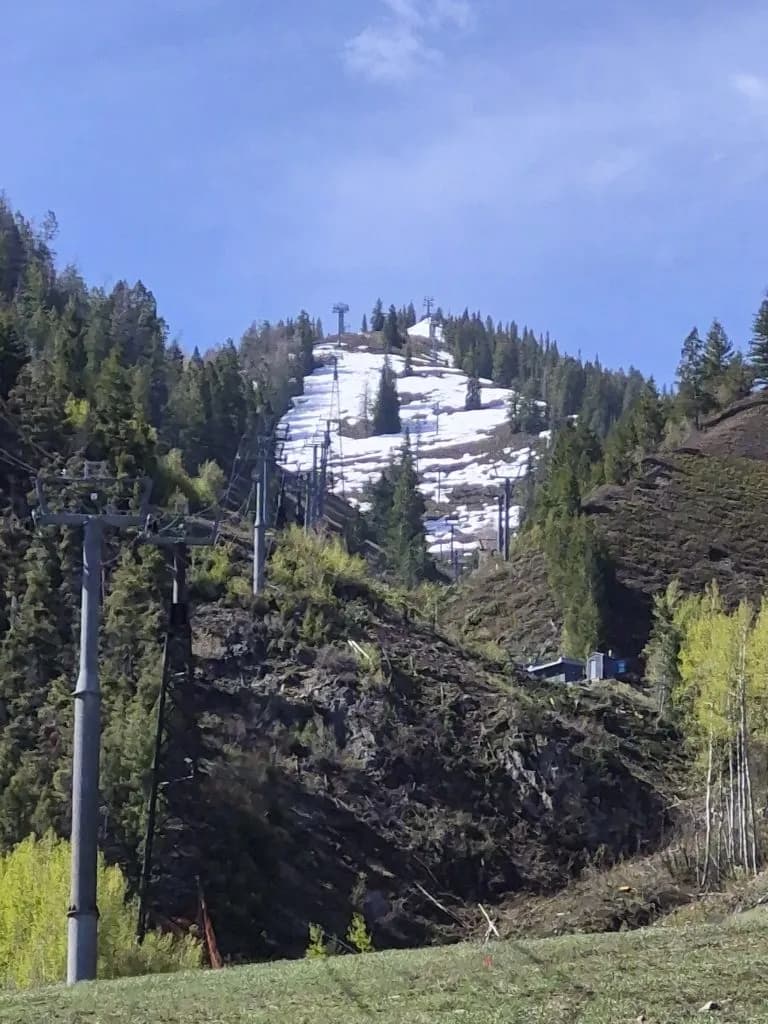
Aspen —The jagged, craggy alcove of Gaard’s Gulch has been clear-cut.
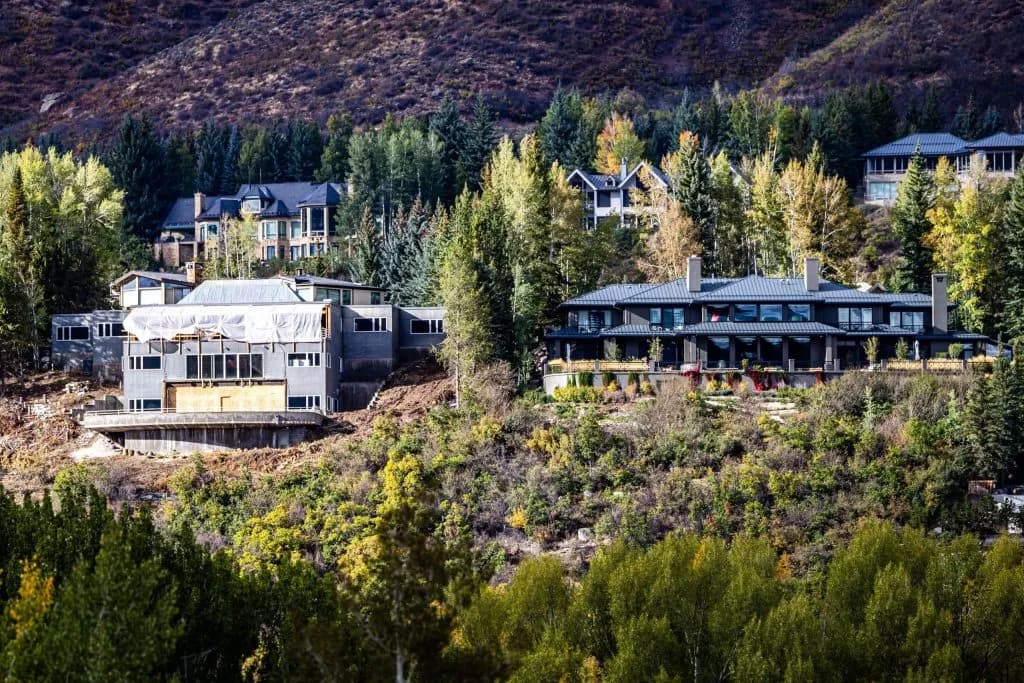
If you drive up Spring Street toward Aspen Mountain, you’ll see it. The section of the slope that used to be a tricky, closed-off niche under the Silver Queen Gondola is now bare. It’s a dramatic shift in the visual landscape of Ajax, and for locals who have spent decades watching Little Nell’s silhouette against the sky, it feels like the mountain has lost a bit of its modesty.
Lorenzo Semple, who has been tracking the changes, put it this way: "My first thought was, ‘Man. The Aspen Mountain Ski Patrol is gonna have their hands-full next year just trying to keep the crazies out of there.'"
It’s a specific kind of anxiety. Gaard’s Gulch wasn’t just a slope; it was a destination for the elite. It was the domain of the "rope-duckers" and extreme skiers who carved their names into the local lore. It was the apple of every extreme-closed-terrain-visible eye. Now, with the new Nell-Bell high-speed quad chairlift taking shape, that exclusive territory is being opened up. The barrier is gone. The view is unobstructed.
The name itself carries weight. Gaard’s Gulch is named after Gaard Moses, the legendary local sign painter whose gold-leaf work defined the aesthetic of old Aspen. You’d see his handiwork at the Parlor Car, The Optical Shop, Tom Mix Flying School, The Paragon, and Jerome Bar. It wasn’t just decoration; it was authenticity. Having a Gaard sign in your window was the equivalent of owning an original Jim Hayes artisan belt buckle. It felt right. It felt like home.
Semple watched a Grassroots TV interview with Moses recently and noted that the sign painter is coming out with a book. It’s a timely release. As the physical landscape of the mountain changes, the cultural memory of what it looked like is being preserved in print. The winds of progress are blowing briskly on the lower flanks of Aspen Mountain, but they’re also stirring up the dust of history.
The development here is intense. First, the OG Lift 1 chair came down. Then the Nell lift was dismantled. Now the Bell chair is gone. The base area is being rebuilt from the ground up, and Gaard’s Gulch is the centerpiece of that transformation. It’s no longer a hidden secret for the few; it’s a visible, accessible part of the ski experience for the many.
Does this mean the soul of the place is changing? Or is it just evolving? Semple admits he was caught off-guard by the new look of Little Nell. "That morning when she captured my eye, the grand dames looked sexier than usual," he said. "I had one of those unexpected, ‘I’d hit that!’ moments. ‘Twas almost as if she’d been working out a ton, lost weight, cut her hair short and wearing one of new-fangled push-up bras."
It’s a visceral reaction. The mountain has been groomed, literally and figuratively. The "crazies" might still be there, but they’re now visible from the lift. The isolation is gone. The risk is still there, but it’s packaged differently.
For the locals who remember the old days, when Gaard’s work was burned into their DNA, this feels like a loss. For the visitors who just want to ski, it’s an upgrade. The question is whether the community can hold both truths at once. The sign painter’s book will help preserve the past. The new lift will accelerate the future.
Semple is keeping an eye on the "Thumbing Station" sign on Main, wishing he owned it. He’s watching the interviews. He’s watching the trees come down. And he’s watching the Ski Patrol prepare for a new kind of crowd.
"The winds of progress are blowing brisk," Semple said. "It’s not often that you get to see base development on the scale and intensity of what’s currently happening on Ajax."
The view from the top hasn’t changed. But the view from below has. And that’s what matters.
Keep up with Aspen
The day's Western Slope news, one email each morning. Free.