Attorney Seeks Posthumous Dismissal for Michael Fisher After Bent County Death
Attorney Nick James files for posthumous dismissal of Michael Fisher’s 1996 felony murder conviction after his death at Bent County Correctional Facility, citing forensic analyst Missy Woods’ lab errors.
Colorado —What does it cost a man to be wrong about a murder he didn’t commit, and what does it cost the state to keep him locked up while the evidence crumbles?
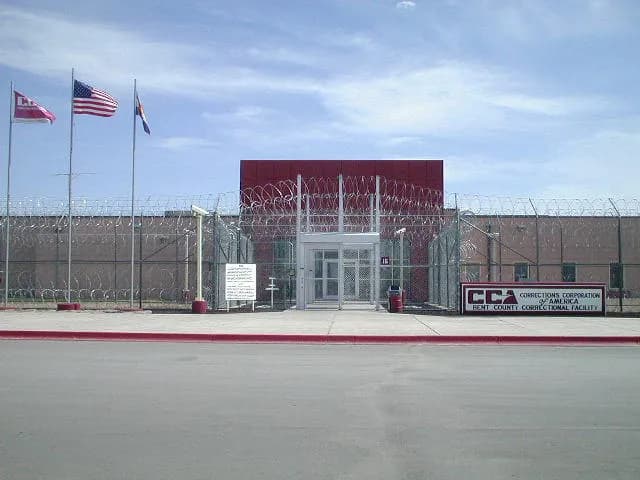
Michael Fisher was serving life for a 1996 killing in Adams County when he died on June 6 at Bent County Correctional Facility, a medium-security private prison owned by CoreCivic, sitting about 85 miles east of Pueblo. He wasn’t just rotting in a cell; he was fighting. His attorney, Nick James, filed motions this week asking the court to posthumously dismiss Fisher’s case, citing forensic misconduct by former Colorado Bureau of Investigation analyst Missy Woods. Woods, who testified at Fisher’s trial, had errors in her lab work — incorrectly reported test results and evidence that continued to be processed even after a forensic report had already been issued.
The irony is thick enough to taste. Fisher, 59, was described by James as doing well in prison, completing just about every course available to him. He worked as a certified peer specialist, counseling other inmates. Despite the disappointment in the lack of programming at Bent County, he remained positive, working with other inmates to develop peer-led mentoring and education programs. He had a strong support group outside the walls, was optimistic about the prospects of release, and planned to be a drug and alcohol counselor if his pending clemency application went through.
But the state kept him locked up.
Fisher and another inmate, Charles Gates, died the same day after what authorities called “an incident” at the prison. Officials have not said what caused their deaths, leaving the circumstances shrouded in secrecy as state officials refuse to publicly discuss what happened. The investigation into their deaths remains ongoing, but the filings shed no light on how Fisher actually died. They only shed light on the conviction he was trying to overturn.
Fisher was convicted of felony murder, conspiracy, and aggravated robbery for a 1996 drug theft gone wrong. A Colorado Court of Appeals opinion in 2000 upheld the conviction, noting that Fisher’s accomplice shot and killed a woman who refused to hand over drugs. Felony murder can apply when someone dies during the act of serious crimes, regardless of whether the person directly caused the death or intended to kill. Prior to 2021, that charge carried a life sentence.
Now, with Fisher dead and Woods’ errors exposed, the question isn’t just about guilt or innocence. It’s about the weight of a single analyst’s mistakes echoing through decades. You can feel the tension in the details — the lab work continuing after the report was issued, the testimony that held a man captive for nearly three decades. It’s a story of a man who believed in his own redemption, who was building a future as a counselor, only to have that future cut short by an “incident” that remains unexplained.
There’s a warmth to the description of Fisher’s time in prison, a genuine sense of purpose in his peer mentoring. But there’s a rough edge to the secrecy surrounding his death. The state knows what happened, or they will soon, but they aren’t telling us. They’re keeping the details of the “incident” close, while the legal machinery grinds on, posthumously dismissing a case that might never have held up if the lab errors had been caught sooner.
The sun sets over Bent County, casting long shadows across the prison yard. Inside, the lights stay on. Outside, the community waits for the next piece of the puzzle, wondering if the errors in the lab were just a glitch, or a pattern. The silence from the Department of Corrections is loud, a heavy blanket over the facts we do have. And in that silence, you can hear the echo of a life lived in anticipation of freedom, cut short by the very system meant to deliver justice.
Keep up with Colorado
The day's Western Slope news, one email each morning. Free.
Federal Report Sets 200,000 Acre-Foot Water Conservation Target for Upper Basin
Colorado Parks and Wildlife Deploys Precision Drones for Weed Control