Aurora Mental Health Center Faces $13 Million Loss
Aurora Mental Health & Recovery is facing a significant financial hit due to a new state funding model, resulting in layoffs and reduced services.
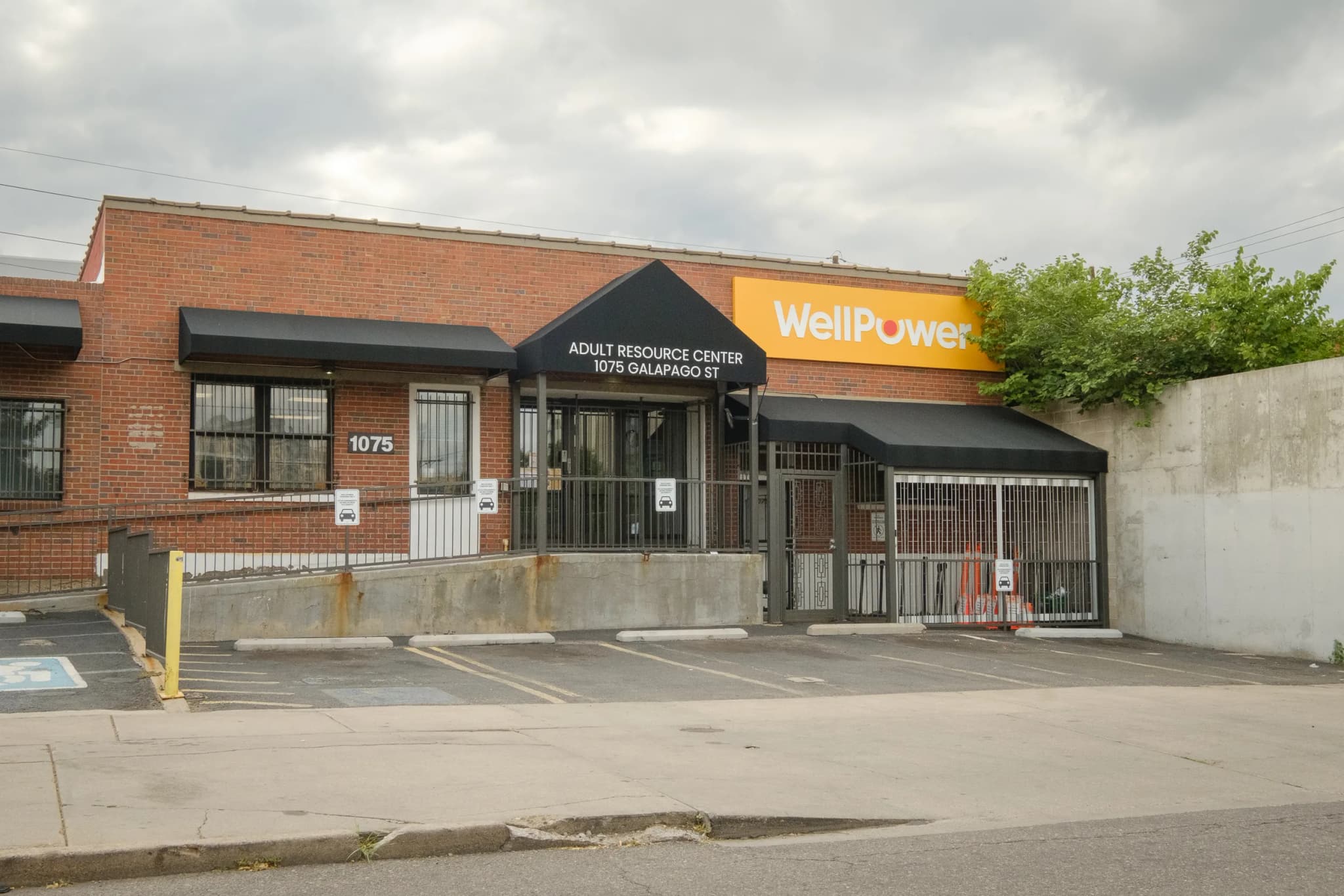
Colorado —"A $13 million hit to our bottom line" - that's what Aurora Mental Health & Recovery is facing, according to CEO Kelly Phillips-Henry. The community mental health center is eliminating 111 positions, which account for 14% of its workforce. This move is part of a larger trend in Colorado, where mental health centers are struggling to adapt to a new state funding model.
For context, the new payment system, which was designed to improve access to mental healthcare, has actually led to a reduction in revenue for many centers. In the case of this center, the expected loss in revenue next year is $6.5 million. This is due in part to a decrease in the number of people eligible for Medicaid, as well as reduced reimbursement rates for caring for patients on the government insurance program.
Let's do the math: the $6.5 million loss in revenue, combined with the $7.2 million the center must return to the state, adds up to a significant financial burden. The repayment is required because the state has changed the way mental health centers are paid, with a pre-payment system that requires centers to return any surplus. This has made budget forecasting challenging, especially since Medicaid reimbursement rates have been reduced throughout the year. The layoffs include not only administrative staff but also four licensed therapists and employees who work with vulnerable populations, such as refugees and immigrants who have been trafficked. These cuts will likely have a ripple effect on the community, as the center is a safety net provider for mental health and substance use treatment. On paper, the state's new funding model was intended to improve access to mental healthcare. In practice, however, it has led to a series of layoffs at community mental health centers across the state.
WellPower in Denver, SummitStone Health Partners in Fort Collins, Mind Springs Health in Grand Junction, Centennial Mental Health Center in the northeastern corner of the state, and Jefferson Center for Mental Health in Jefferson, Clear Creek and Gilpin counties have all reduced staff in recent years.
Last year alone, about 500 behavioral health care workers were laid off in the span of three months. These cuts have affected not only therapists and nurses but also support staff, such as cleaning staff. The impact of these layoffs will be felt by individuals and families who rely on these services, particularly in rural areas where access to mental healthcare is already limited.
Aurora Mental Health asked the state if it could forgo paying back the surplus, but state officials said no. The center then notified the state labor department of its plans to reduce staff. As CEO Phillips-Henry stated, "We simply can't afford a $13M-plus hit to our bottom line and a future predicated on a break-even payment model without making significant changes to our expenses, including staffing."
The practical bottom line is that these layoffs will cost the community access to vital mental health services. For folks around here, that means fewer resources available to support individuals and families in need. In Grand Junction, where Mind Springs Health has already reduced staff, the impact of these cuts will be felt deeply. The community will have to find alternative ways to support those affected by the layoffs, which will likely be a challenge given the already limited resources available.
Keep up with Colorado
The day's Western Slope news, one email each morning. Free.




Federal Report Sets 200,000 Acre-Foot Water Conservation Target for Upper Basin

Colorado Parks and Wildlife Deploys Precision Drones for Weed Control