Aurora Reservoir Drill Site Approved Despite Community Opposition
The Colorado Energy and Carbon Management Commission has approved a plan to drill 24 wells near the Aurora Reservoir, despite strong opposition from local residents and environmental groups.
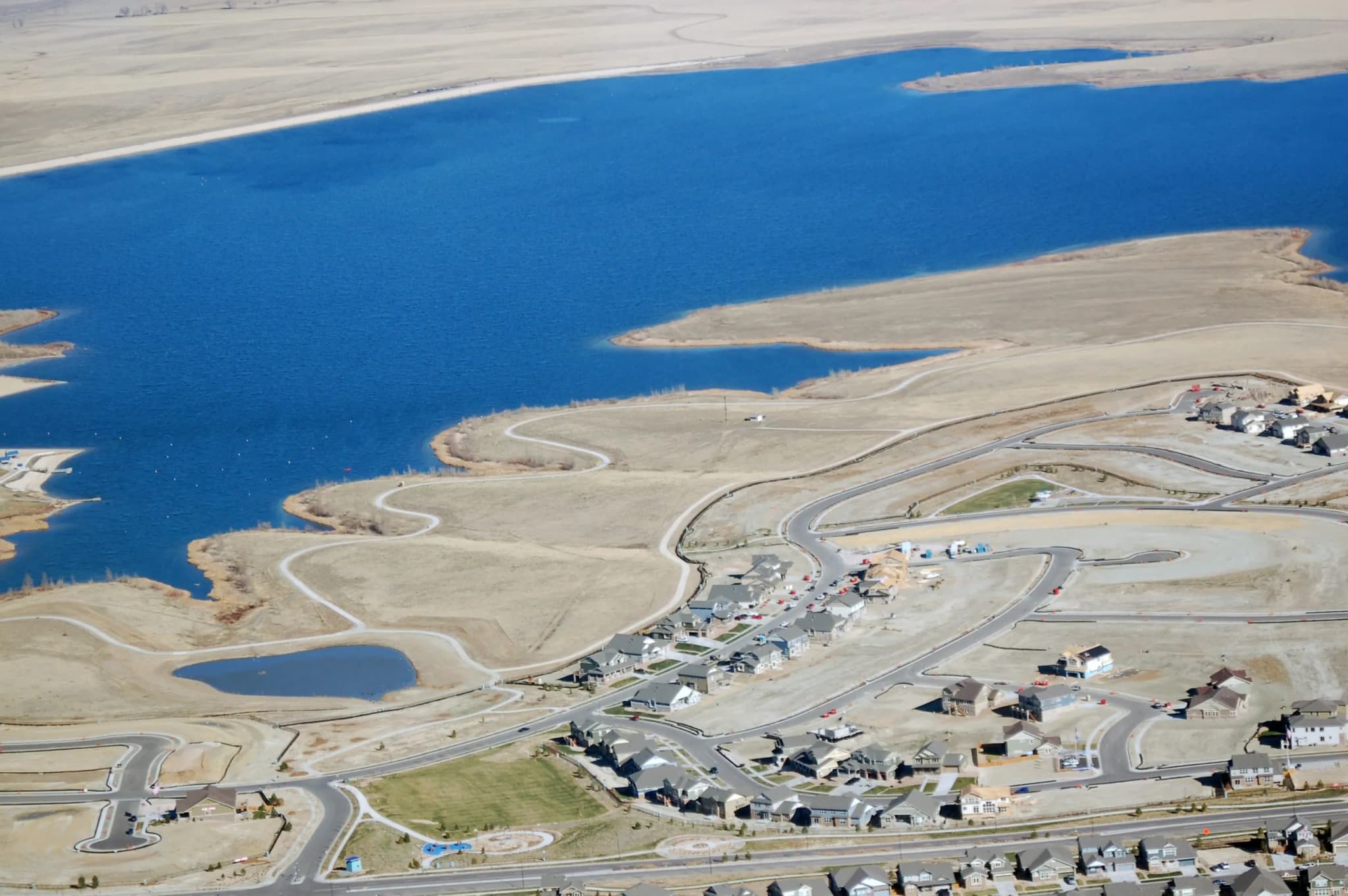
Colorado —On a crisp spring morning, the sun rises over the Aurora Reservoir, casting a golden glow over the surrounding landscape. The water's edge, once a serene and peaceful spot, has become a focal point of controversy in recent months. As the Colorado Energy and Carbon Management Commission voted to approve Crestone Peak Resources' plan to drill 24 wells on the State Sunlight-Long drill pad, the decision sent shockwaves through the community.
The commission's 3-2 vote, following an eight-month battle by residents to relocate the proposed drill site, has left many feeling frustrated and disappointed. As Commission Chairperson Jeff Robbins put it, "It's a balance...In the end, I find that the State Sunlight-Long location achieves the balance that we're told to look for." This balance, however, is not one that the community had hoped for.
Randy Willard, a spokesperson for the grassroots group Save the Aurora Reservoir, or STAR, expressed the group's deep disappointment with the decision. "Our committed volunteers have toiled for three years to protect the health of our air, water and community — it wasn’t just that the site is unpopular, though that should carry weight," Willard said in a statement. The group had raised $100,000 for legal and expert fees and organized nearly 2,500 active members, demonstrating the significant opposition to the drill site.
The question is whether the commission's decision will have a lasting impact on the community's health and environment. As the commission considered the plan, they were faced with applying their rules to measure development against protection of public health, safety, environment, and wildlife. Jaime Jost, Crestone's attorney, argued that the plan was the "most vetted" and "most analyzed" application to come before the commission.
However, the community's concerns and opposition to the site cannot be overstated. The development plan was the subject of seven hearings, with some spanning several days. This level of community engagement and opposition is notable, and it's clear that the decision will be felt deeply by those living in the surrounding area.
The numbers back up the community's concerns, with 1,000 people tuning in to the hearing on Zoom, maxing out the ECMC's capacity on the meeting service. This level of interest and engagement demonstrates the significance of the issue and the passion of those involved. As the community moves forward, the consequences of the commission's decision will become clear.
The community's commitment to protecting their air, water, and environment is evident, and the dedication of STAR's volunteers will undoubtedly continue to drive their efforts. The community's health and well-being are at stake, and their concerns must be heard and addressed. For now, the community is left to wonder what the future holds, and how they will navigate the challenges that lie ahead. As Commission Chairperson Jeff Robbins said, the decision is a balance, but it's a balance that the community may not be willing to accept.
In the end, it's the community that will have to live with the consequences of the commission's decision. As Randy Willard said, "Our committed volunteers have toiled for three years to protect the health of our air, water and community." Their perseverance and dedication reflect the significance of the issue, and it's likely that their efforts will not be in vain. As the community looks to the future, their actions will be closely watched in the coming months and years. For now, the community is left to pick up the pieces and determine their next course of action. As Randy Willard noted, the community's opposition to the site was not just about its unpopularity, but about the potential risks to their health and environment. They may not be willing to accept these risks, and their efforts to protect their community will likely continue.
As the situation continues to unfold, the community's health and well-being hang in the balance, and their concerns must be heard and addressed. For now, the community is left to wonder what the future holds, and how they will navigate the challenges that lie ahead. As Commission Chairperson Jeff Robbins said, the decision is a balance, but it's a balance that the community may not be willing to accept.
In the end, Randy Willard's words capture the community's outlook: "Our committed volunteers have toiled for three years to protect the health of our air, water and community, it wasn’t just that the site is unpopular, though that should carry weight."
Keep up with Colorado
The day's Western Slope news, one email each morning. Free.

Federal Report Sets 200,000 Acre-Foot Water Conservation Target for Upper Basin

Colorado Parks and Wildlife Deploys Precision Drones for Weed Control