Bennet Blames Weiser for Missed Debate Amid Campaign Contributions
Michael Bennet accuses Phil Weiser of dodging a debate over a CBS report on $75,000 in law firm contributions, highlighting a battle over narrative control in the tight Colorado governor's race.
Colorado —The air in the Lory Student Center still held the hum of a thousand conversations when the debate was supposed to start. Instead, there was just the quiet shuffle of journalists checking their phones and the faint, awkward silence of a stage waiting for a guest of honor who never arrived. Michael Bennet didn’t just miss the debate; he weaponized the absence. His video, posted Monday night, was sharp, funny, and designed to stick. He charged that Phil Weiser had bailed, that the Attorney General had pulled out because he couldn’t handle the heat of a specific, damning report by CBS Colorado’s Shaun Boyd regarding campaign contributions from law firms with business before the AG’s office.
But if you look closely at the mechanics of the dispute, the story isn’t about evasion. It’s about timing, and it’s about who controls the narrative.
Weiser’s campaign didn’t want to talk about the details on the record. They preferred silence, which is a rare commodity in a campaign that thrives on visibility. Yet, they made one thing clear: the date was never confirmed by Weiser. It wasn’t promoted by the TV station, and it certainly wasn’t a locked-in appointment. Bennet, however, put out a press release stating that both candidates had "agreed to participate on a date initially proposed by the Weiser campaign." It’s a subtle shift in perspective. To Bennet, it was a broken promise. To Weiser, it was an unconfirmed suggestion.
Jeff Gurney, CBS News Colorado’s Assistant News Director, stepped into the fray on Tuesday night to clarify the timeline. Both candidates had agreed on June 15. But four days prior, Weiser’s team said, "something has come up," and the date no longer worked. When the station offered an alternative, the Weiser camp’s response was brief: "I don’t think so. Apologies." It wasn’t a dramatic exit. It was a polite refusal.
Is it a big deal that Weiser avoided a question about the $75,000 in contributions from twelve law firms? Probably not. There’s nothing illegal in what Weiser did. But back in 2022, when he was campaigning for Attorney General, he had agreed to a stricter standard: no funds from lawyers whose firms were involved in matters before his office. He broke that self-imposed rule. So why the sudden panic about a debate?
It’s far more believable that Weiser refused to confirm the date because he felt the Boyd story had overreached, not because he was afraid to answer one question. The charge itself tells us Bennet is worried. The race has gotten tight, and suddenly Bennet needs an issue. He needs to paint Weiser as inconsistent, as someone who doesn’t show up. Weiser, who bases much of his campaign on the premise that he always shows up, released his own video in reply. He slammed Bennet for missing forums and debates, including those he missed while doing the being-a-senator part of his job. It’s a fair point. Bennet couldn’t resign from the Senate when he decided to run for governor, and Weiser isn’t term-limited in the same way. They’re both playing two jobs at once.
The debate, or lack thereof, highlights the rough edges of a race that is becoming increasingly personal. It’s not just about policy anymore; it’s about who gets to define the other’s reliability. Weiser’s campaign didn’t just deny the charge; they highlighted the ambiguity of the scheduling. Bennet’s campaign leaned into the narrative of abandonment. Both are true. Both are false. The truth is somewhere in the middle, in the emails and the phone calls that never made it to the press release.
As the dust settles on this particular skirmish, the real story isn’t who missed the debate. It’s that both candidates are now more focused on attacking each other’s credibility than on the issues that matter to folks in the valley. The $75,000 in contributions is a footnote. The real cost is the erosion of trust. And as the campaign heads into the final stretch, that erosion will be felt in every town hall, every ad, and every handshake. The air in the Lory Student Center is gone, but the echo of that silence remains, hanging heavy over the race.
Keep up with Colorado
The day's Western Slope news, one email each morning. Free.
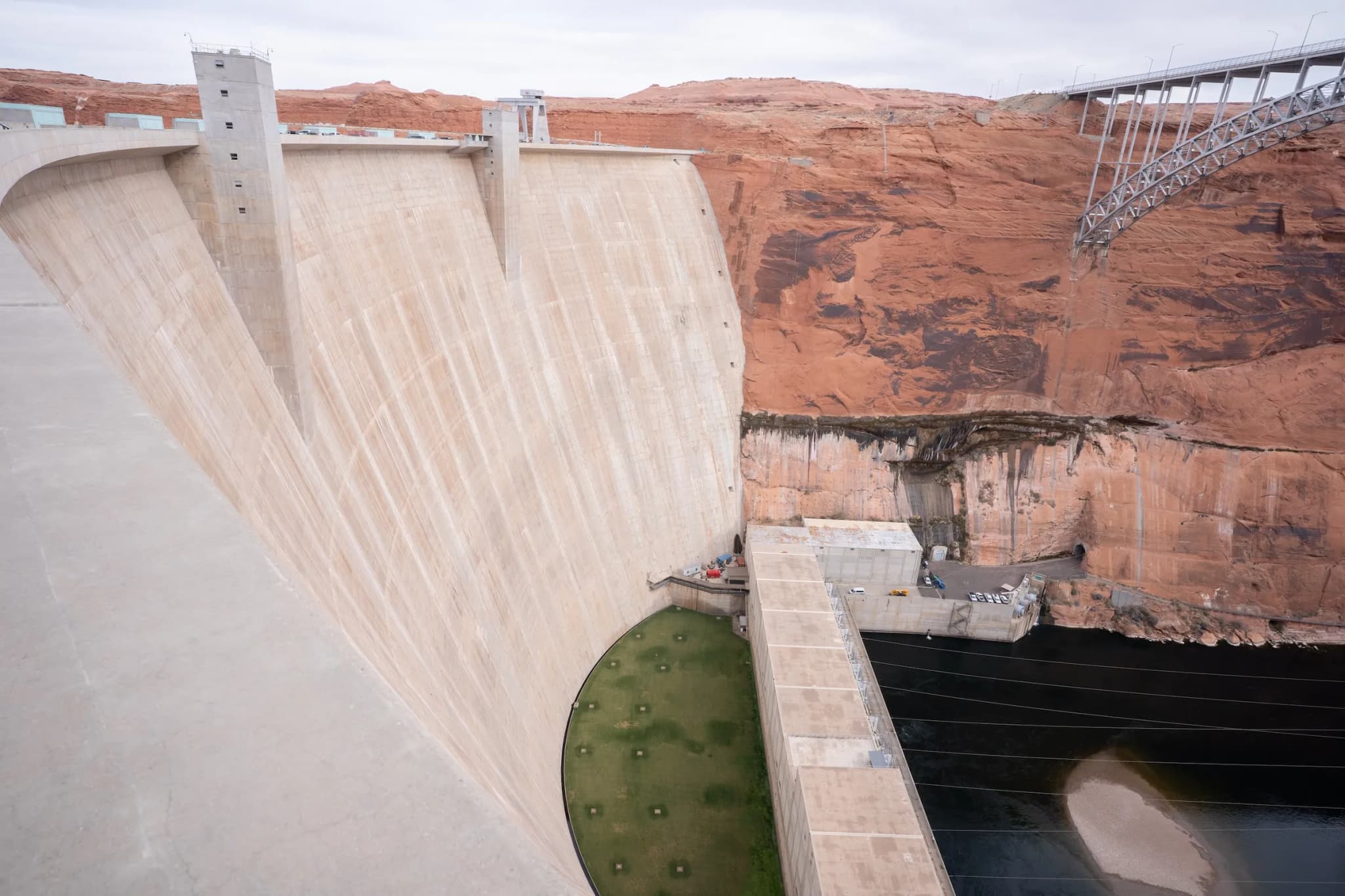
Federal Report Sets 200,000 Acre-Foot Water Conservation Target for Upper Basin
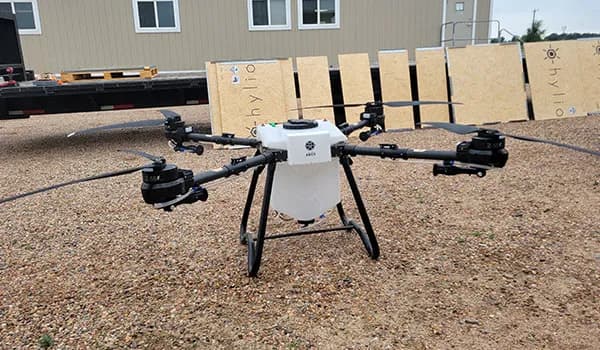
Colorado Parks and Wildlife Deploys Precision Drones for Weed Control