Bobby Flay and Mark Oldman Drive Aspen Food & Wine Classic Economy
Bobby Flay and Mark Oldman lead the 42nd Aspen Food & Wine Classic, blending practical cooking skills with luxury branding to boost Pitkin County's tourism economy.
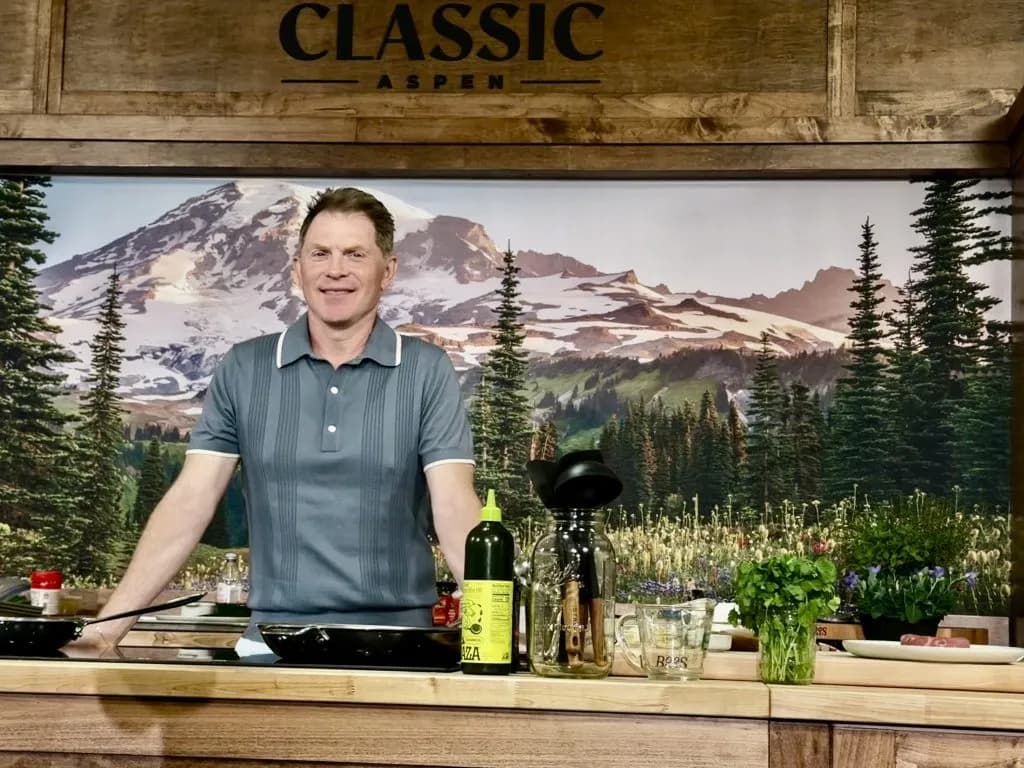
Aspen —“Not 100% sober.” That’s the slogan on the sleeping mask Mark Oldman handed out during his seminar, and it’s probably the most honest thing said all weekend at the Food & Wine Classic in Aspen.
The 42nd annual event kicked off on a sizzling note, literally. Bobby Flay took the stage for his “Steak-Out” seminar, bringing nearly 30 years of Aspen history to a crowd eager for culinary authority. He didn’t just talk about heat; he demonstrated it. Filet mignon, ribeye, T-bone. He worked through the cuts, guiding the audience on achieving that precise sear and a doneness he prefers just over medium-rare.
But Flay’s real lesson wasn’t about the grill. It was about instinct.
“I touch the steak to know what the story is,” he told the packed room.
He meant it. You don’t just time a steak; you feel it. You taste before you plate. It’s a simple concept, yet in a town where dining can become a performance art, that focus on the meat itself — the quality of the cut, the handling — feels like a necessary grounding wire. “The quality of the meat matters first,” Flay said. “What happens next is all about how you handle it.”
Meanwhile, across the park at Paepcke Park, the vibe was less about fire and more about fashion. Mark Oldman, a 20-year veteran of this specific festival, delivered “Luxury is in the Details.” Attendees lined up an hour early. They wanted Oldman. They called him the “best of the fest.”
Oldman paired high-end fashion houses, Tom Ford, Ralph Lauren, Christian Dior; with high-end wines. It wasn’t just a tasting; it was a lecture on history and similarity, delivered with humor and swag. Hats. Luggage tags. Pins. The world’s best dessert wine, described as “a golden nectar.” A Champagne. A burgundy, “the most coveted type of wine in the world.”
The audience participated, shouting out attributes, making it a conversation. It was showmanship, sure, but it was also a display of the kind of concentrated luxury that defines Aspen’s tourism economy.
Let’s look at the logistics. This isn’t just about eating. This is a major economic driver for Pitkin County. The culinary festival draws thousands of visitors, filling hotels, boosting restaurant revenue, and adding to the tax base that funds local infrastructure. When Oldman is handing out sleeping masks to people who just spent $200 on a wine tasting, that money is circulating. It’s not staying in a vacuum.
However, the contrast between Flay’s practical, tactile approach and Oldman’s curated, luxury-focused presentation highlights the dual nature of Aspen’s appeal. One sells skill and technique. The other sells status and exclusivity. Both are valid. Both are profitable.
The event runs through the weekend, but the impact is immediate. Hotels are full. Traffic is heavy. The local economy gets a significant boost from the ticket sales and the ancillary spending. It’s not free entertainment. It’s a premium product for a premium market.
For the locals watching from the sidelines, it’s a reminder of why property values stay high and why the cost of a simple dinner can feel like a small fortune. The Food & Wine Classic isn’t just a party. It’s a financial engine. And right now, it’s running hot.
Keep up with Aspen
The day's Western Slope news, one email each morning. Free.

Stanford and MD Anderson Studies Target Single Receptor to Reverse Aging
Tribal members bless Mount Blue Sky summit for Colorado sesquicentennial
Craig Press Merges Two Magazines to Define Northwest Colorado’s Outdoor Identity
Eagle County Judge Receives Legacy Award for Mental Health Court Reforms
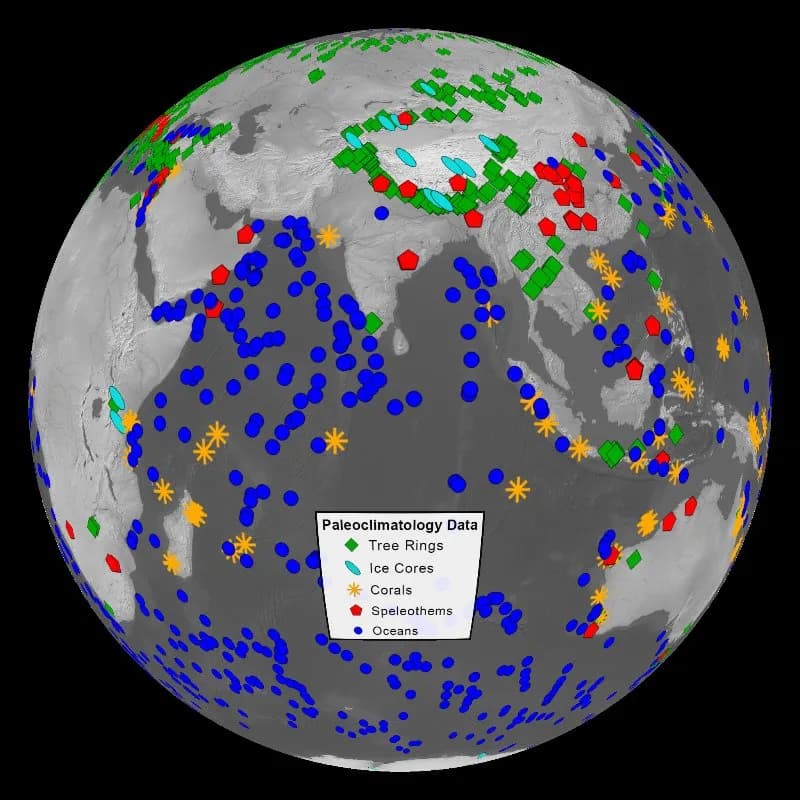
Vail Symposium Speaker Dr. Tierney Links Paleoclimate Data to Local Property Values