Bottoms, Marx, and Kirkmeyer Vow to Fix Rural Colorado Budget Divide
Scott Bottoms, Victor Marx, and Barbara Kirkmeyer compete for the GOP nomination with distinct plans to address the urban-rural budget divide and improve Western Slope infrastructure.
Aspen —The urban-rural divide in Colorado isn’t just a cultural friction point; it’s a budgetary crisis. And the three Republicans running to succeed Jared Polis aren’t just promising to listen to the folks in the valley — they’re promising to rewrite the rules of how state money flows from Denver to Delta, Gunnison, and beyond.
The obvious take is that these candidates will simply throw more cash at rural roads. But that’s too simple. The real question is whether they can fix the structural bias that has left Western Slope infrastructure crumbling while the Front Range enjoys a boom. The answer, according to the candidates, lies in who is sitting at the table when the budget is written.
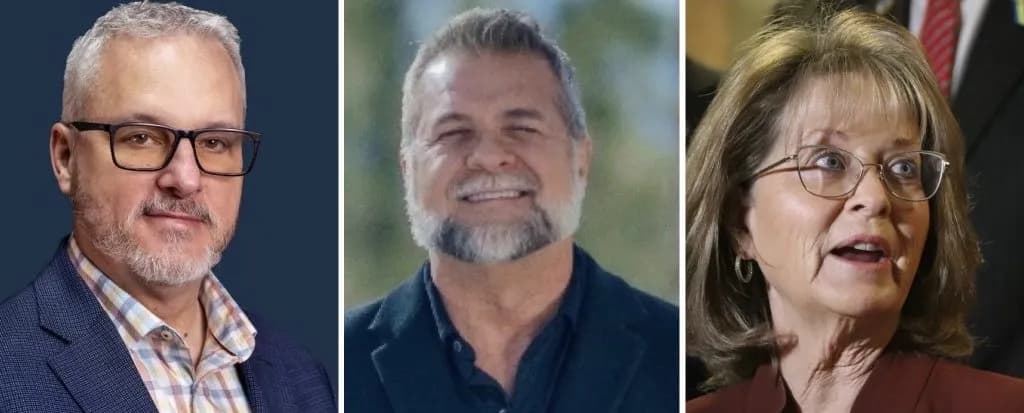
Scott Bottoms, Victor Marx, and Barbara Kirkmeyer are all vying for the June 30 Republican nomination. They come from different worlds — pastor, nonprofit director, and seasoned legislator, but they agree on one thing: the current system is broken for rural Colorado.
“I have a very strong biblical worldview,” Bottoms said. “When I look at the Declaration of Independence and the Constitution, those were written from the Bible by men of faith, by godly men. It’s woven throughout everything we are as a society, our Judeo-Christian values.”
For Bottoms, a longtime Colorado Springs pastor and current state representative, fixing the divide means bringing “solid, good moral values” to the executive branch. He argues that the disconnect isn’t just about dollars and cents, but about perspective. He wants to staff state agencies with people who actually understand rural life, not just those who commute into the capital.
Then there’s Victor Marx. A Marine Corps veteran and head of All Things Possible Ministries, Marx has never held public office. He’s betting that his lack of political baggage is his greatest asset.
“People ask me, ‘What about your experience? You don’t have experience as a politician,'” Marx said. “And I don’t know whether to say, ‘You’re welcome,’ but it is what’s resonating with people right now; a true outsider, someone who has proven leadership in the real world.”
Marx’s approach is less about legislative maneuvering and more about direct action. His background in international humanitarian aid and freeing women from sex trafficking has taught him how to operate in high-risk, war-torn environments. He’s applying that same grit to the domestic struggle of ensuring rural communities get their fair share of state funding.
But if you want to know how to actually balance the books, you talk to Barbara Kirkmeyer. She’s the only candidate in the race with deep fiduciary experience. Kirkmeyer served under former Gov. Bill Owens, was a Weld County commissioner, and is currently a state senator. Crucially, she’s one of just two Republicans on the Joint Budget Committee, the body that writes the state’s annual multibillion-dollar budget.
“I am the only candidate in this race who is actually qualified and has governing experience about balancing budgets,” Kirkmeyer said.
Kirkmeyer’s argument is pragmatic. The divide persists because rural needs - like the deteriorating road conditions on Highway 92 or the water infrastructure in the Roaring Fork Valley. are often an afterthought in the capital. She wants to prioritize those needs explicitly in the budget process, ensuring that the money follows the people, not just the political power centers.
The question is whether any of them can deliver. Bottoms brings the moral authority and the conservative base. Marx brings the outsider appeal and operational experience. Kirkmeyer brings the spreadsheet skills and the legislative muscle.
As the June 30 primary approaches, the voters are deciding which flavor of "rural-first" they trust most. Is it the moral imperative of Bottoms? The outsider energy of Marx? Or the proven budgetary pragmatism of Kirkmeyer?
The outcome hangs in the balance, but for now, the message is clear. The era of ignoring the West is over. The candidates are ready to fix it.
Keep up with Aspen
The day's Western Slope news, one email each morning. Free.


Vail Climber Launches Ash to Altitude for Antarctic Summit
Underwood Targets Mountain Housing With $150K Loan Program and Rental Caps