Boulder Firebombing Suspect to Plead Guilty to Murder
The man accused of firebombing a pro-Israel demonstration in Boulder plans to plead guilty to murder and other charges, bringing some closure to the community still reeling from the attack.
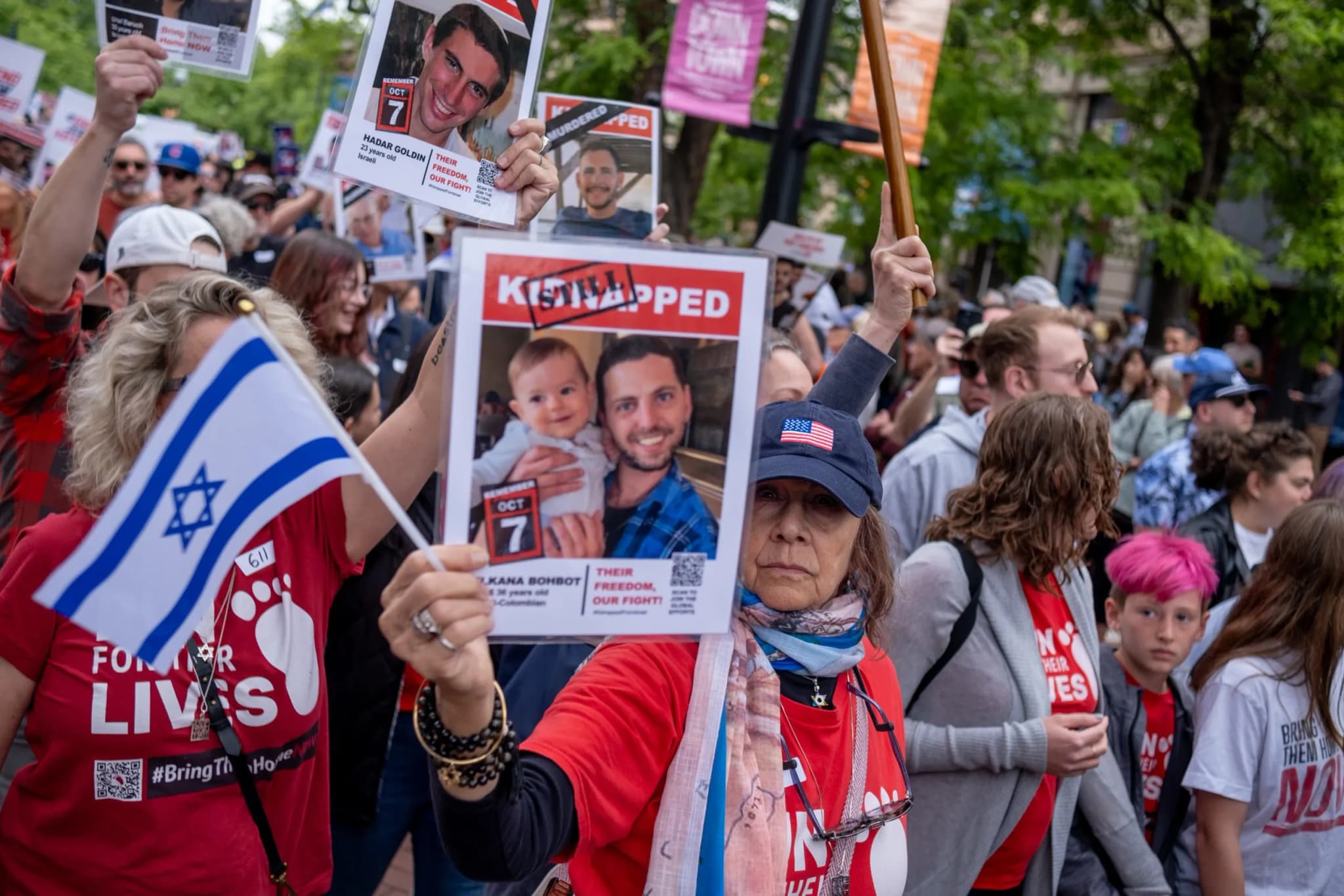
Colorado —What's going to happen to the man accused of firebombing a pro-Israel demonstration in Boulder, and how will it affect the community that's still reeling from the attack? The sun is setting over the pedestrian mall in downtown Boulder, casting a golden glow over the spot where a firebomb attack killed one person and injured a dozen more just over a year ago. People are walking by, some glancing at the area where the attack occurred, others avoiding it altogether. A woman stops to look at a poster of Elkana Bohbot, an Israeli-Colombian who is currently held hostage in Gaza, and shakes her head.
Mohamed Sabry Soliman, the man accused of throwing two Molotov cocktails during the demonstration, is planning to plead guilty to murder and other charges, according to court documents filed by his attorneys. He faces a sentence of life in prison without the possibility of parole. Soliman had previously pleaded not guilty, but now his attorneys say he will accept the guilty plea and the life sentence. And that matters because it brings some sense of closure to the community, but it also raises questions about how this could have happened in the first place.
Soliman is an Egyptian national who federal authorities say was living in the U.S. illegally, and investigators claim he planned the attack for a year, driven by a desire to harm people who support Israel. Not exactly a straightforward case, though - Soliman's attorneys say the attack was "profoundly inconsistent" with his prior conduct and "came as a total shock to his family." Before the attack, Soliman had been living with his family in a two-bedroom apartment in Colorado Springs, working in low-paying jobs, and had even divorced his wife in April. Picture this: a man who seemed to be living a normal life, but was secretly planning a violent attack.
Boulder Mayor Pro Tem Tara Winer says the victims included some of her close friends, and she plans to attend the court hearing to support their fight for justice. "It was a horrific attack," Winer said by email. "Their lives were changed forever." Here's the thing, though: the community is still trying to come to terms with what happened, and this development is just one step in a long process of healing. Soliman faces dozens of state charges, including murder and attempted murder, and has pleaded not guilty to federal hate crime charges. Prosecutors are considering whether to seek the death sentence in that case.
The attack occurred during a demonstration at the pedestrian mall, where people were showing support for Israeli hostages in Gaza. A dozen people were injured, and an 82-year-old woman who was injured in the attack later died. The community came together to support the victims and their families, and the Boulder Jewish Festival was held just a week after the attack. Hundreds of people marched for the release of Israeli hostages, and the festival was a way for the community to show its resilience and solidarity.
As the court hearing approaches, the community is bracing itself for what's to come. Soliman's decision to plead guilty will likely bring some sense of justice, but it won't erase the pain and trauma caused by the attack. The community will continue to heal and come to terms with what happened, and this outcome is just one step in that process. And as the sun sets over the pedestrian mall, the community is left to wonder what could have been done to prevent the attack, and how to move forward from here. A woman is standing at the spot where the attack occurred, looking at the poster of Elkana Bohbot, and whispering a quiet prayer.
Keep up with Colorado
The day's Western Slope news, one email each morning. Free.


Federal Report Sets 200,000 Acre-Foot Water Conservation Target for Upper Basin
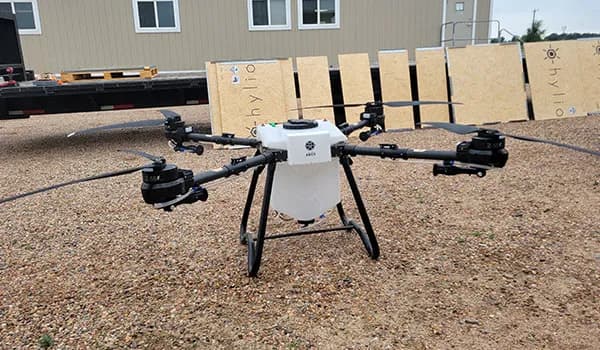
Colorado Parks and Wildlife Deploys Precision Drones for Weed Control