Bravo! Vail Names Composer Chris Rogerson as New Artistic Director
Composer Chris Rogerson succeeds Anne-Marie McDermott as the fourth artistic director of the Bravo! Vail Music Festival, assuming the role immediately with a full title effective September 2026.
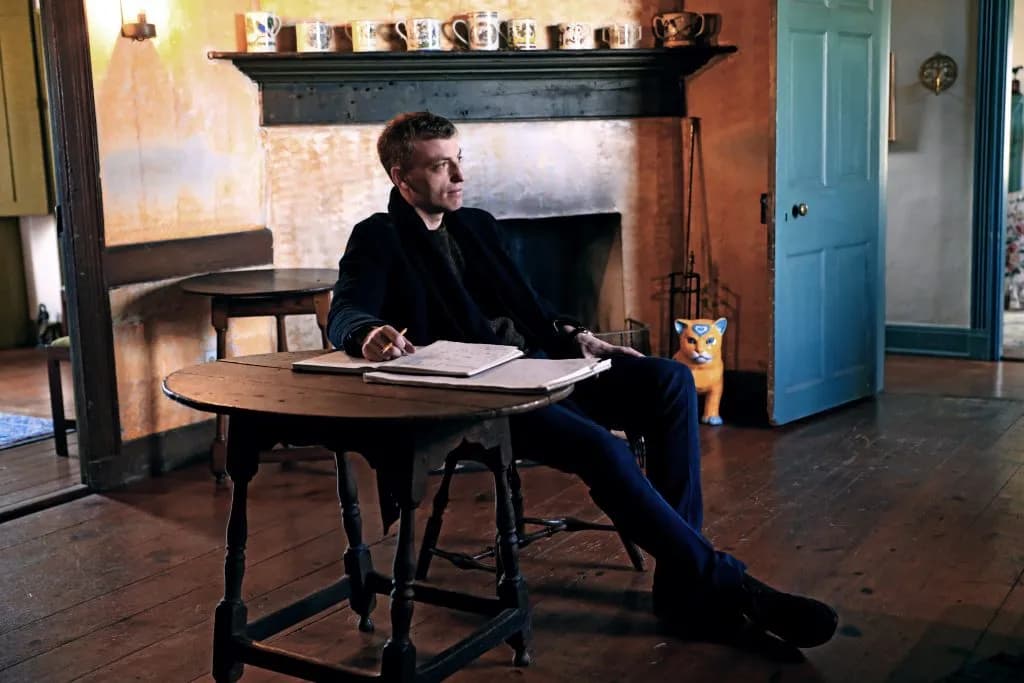
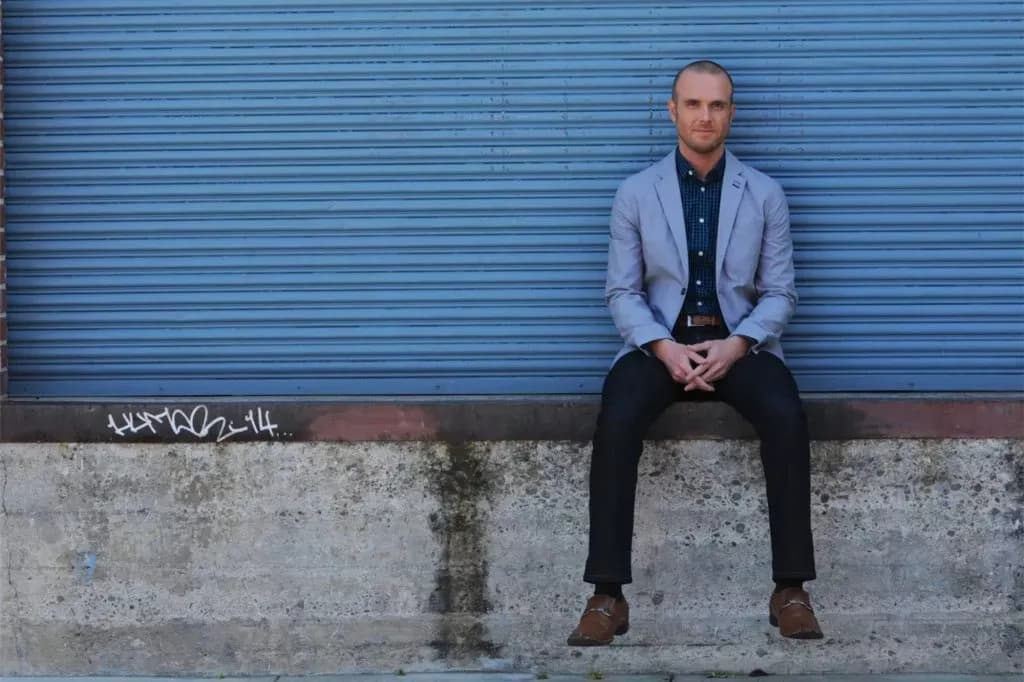
Aspen —Chris Rogerson is the fourth artistic director in the Bravo! Vail Music Festival’s history. He succeeds Anne-Marie McDermott, who held the post for a decade and a half. That’s a long time to hold the reins. It’s also a lot of institutional memory to unpack for a guy who’s been around the block as a composer for decades.
Rogerson assumes the artistic director designate role immediately. He gets the full title on September 1, 2026. The contract is for an initial three-year term. For context, that means he’ll be steering the ship through the 2026, 2027, and 2028 seasons. If the board likes him, he could stay longer. If not, the next search begins in 2029.
Let’s look at the pedigree. Rogerson isn’t some unknown quantity plucked from a local arts council. He’s an accomplished American-born composer. His work has been performed by Yo-Yo Ma. Anthony McGill. J’Nai Bridges. Pablo Sáinz-Villegas. These aren’t background players. These are the heavy hitters of the classical music world. For the past decade, he’s been on the faculty at the Curtis Institute of Music. In 2023, he took home the Elise L. Stoeger Prize from the Chamber Music Society of Lincoln Center.
That’s a lot of resume padding. It suggests Bravo! Vail is betting on high-art credibility. It suggests they want to be taken seriously by the same people who judge the Lincoln Center prizes.
Caitlin Murray, the festival’s President and CEO, says Rogerson’s commitment to "artistic excellence, sophisticated and innovative programming, and approach to community engagement" aligns with their goals. It’s a standard press-release line. It sounds good. It’s vague. It doesn’t tell us if "community engagement" means free concerts in Vail Village or a gala dinner for the wealthy. It doesn’t tell us if "sophisticated programming" means more contemporary works or sticking to the classics that draw the big crowds.
Hank Gutman, the Board Chair, welcomed Rogerson on behalf of the trustees. He called the collaboration a way to "elevate our mission and enrich the cultural tapestry of Vail for years to come." "Cultural tapestry" is a phrase that usually means "we spent money on marketing." It’s safe. It’s flattering. It’s not a budget projection.
Rogerson himself notes that Bravo! Vail represents "the highest level of music-making in an incomparable natural setting." He’s been contributing to the festival as a composer for years. He premiered Samaa for piano, gongs, and strings in 2022. That piece was commissioned in honor of McDermott’s 10th anniversary. It was the first work premiered under the Symphonic Commissioning Project. So Rogerson isn’t just a manager. He’s a creator who’s already tasted the Bravo! Vail wine. He knows the kitchen. He knows the staff. He knows how the money gets spent on new commissions.
That’s the practical reality here. This isn’t a hire from the outside to shake things up. This is an internal promotion of sorts. Rogerson knows the ecosystem. He knows the donors. He knows the logistical nightmares of putting on a festival in a mountain town.
The cost? The article doesn’t list a salary figure. It doesn’t list the budget for the 2026-2029 seasons. It just says he’s the fourth director. We know McDermott stayed for 16 years. We don’t know if Rogerson will stay for 16 years. We don’t know if the budget will expand to match his "sophisticated" ambitions.
For the locals, this means the festival continues. The concerts will still happen. The music will still be high quality. The question is whether the ticket prices will rise to pay for the "innovative" programming. Whether the "community engagement" will actually reach the people who can’t afford $200 tickets. Or if it’s just another layer of prestige for the Vail Valley.
Rogerson says the opportunity is "profoundly meaningful and tremendously exciting." He’s honored to carry forward the legacy. He’s excited to lead. That’s what you expect from a guy who just got the job.
The real test will be in the programming. Can he balance the high-art credibility of Curtis and Lincoln Center with the practical realities of running a festival in Vail? Can he keep the donors happy while keeping the music interesting? We’ll see in 2026. Until then, it’s just words on a page. And a lot of "cultural tapestry."
Keep up with Aspen
The day's Western Slope news, one email each morning. Free.