Strings Music Festival Announces Season 39 Lineup in Steamboat Springs
Strings Music Festival unveils its Season 39 roster for Steamboat Springs, featuring 18 Grammy winners including Herbie Hancock and Cat Power, alongside new standing-only shows and community programming.
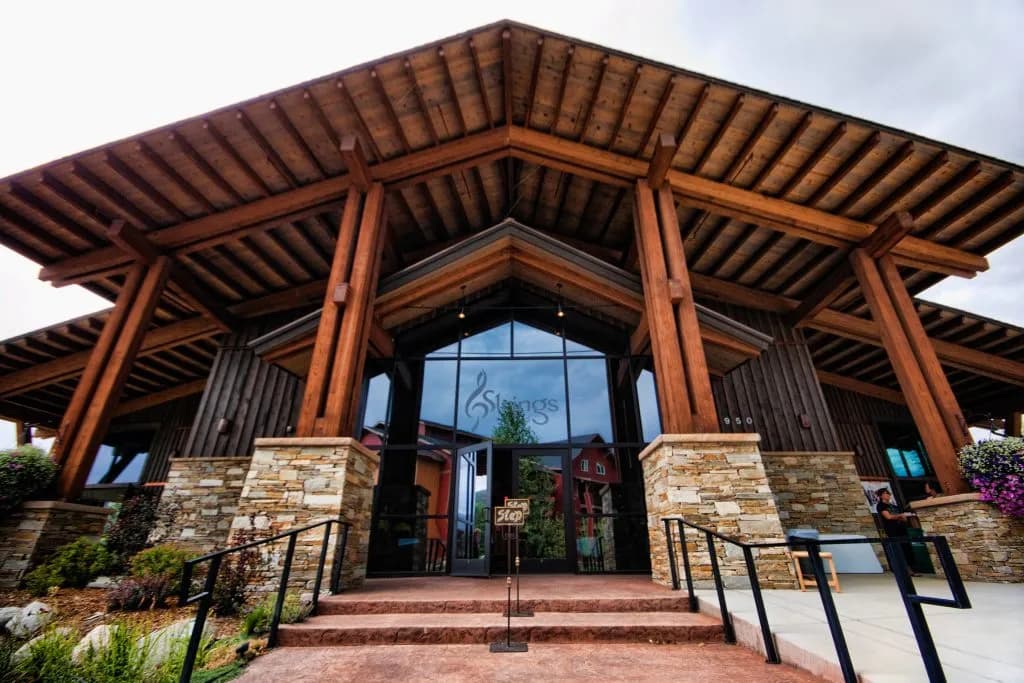
Steamboat Springs —The air inside the Strings Music Pavilion still holds the heat of a thousand previous summers, a dry, dusty warmth that settles into the wooden beams and the dirt floor. It’s the kind of place where the boundary between performer and audience dissolves, where a Grammy winner might stand just ten feet from your porch. Now, the festival is back, louder and more varied than ever.
Strings Music Festival has announced its lineup for Season 39, and it’s a roster that refuses to stay in a single lane. The 34 concerts scheduled for this summer in Steamboat Springs promise a mix of classical rigor, rootsy Americana, jazz improvisation, and yes, even a bit of comedy. There are 18 Grammy Award winners on the bill. That’s not just a number; that’s a significant chunk of the global music elite descending on Routt County.
Picture this: You’re standing in line at the Pavilion on a July evening. The sun is dipping behind the Elk Mountains. The crowd isn’t just waiting for a show; they’re waiting for a connection. And that’s exactly what Executive Director Elissa Greene is banking on.
“This season reflects the spirit of Strings,” Greene said in a recent news release. “In a town known for authenticity and excellence, we present exceptional artists in a setting that feels personal and accessible.”
The lineup itself is a study in contrasts. You’ve got Herbie Hancock, the jazz piano legend, closing out the summer on August 9. Just a few days earlier, on August 4, Cat Power is bringing her raw, soulful energy to the stage. In between, you’ll find Graham Nash, Steve Earle, Little Feat, and Tig Notaro. It’s a wide mix of genres that suggests the festival isn’t trying to pigeonhole its audience into one specific taste.
But here’s the thing though: the organization is also shaking up the format. For the first time, they’re adding standing-only shows and general-admission concerts with dedicated dance space for select performances. This isn’t just about selling more tickets; it’s about changing how people move through the music. It’s about turning a passive listening experience into an active, physical one.
The schedule kicks off on June 26 with Larry Fleet and runs through mid-August. There’s America celebrating their 250th anniversary with “Centuries of Sound,” and The Wallflowers marking the 30th anniversary of Bringing Down the Horse. It’s a mix of legacy acts and current favorites. The Jayhawks, Fitz and the Tantrums, and the Paragon Ragtime Orchestra are all in the mix.
And it’s not just about the big names at the Pavilion. The event is pushing hard to connect with the Yampa Valley community through more than 20 free community programs. These aren’t afterthoughts; they’re central to the mission. From parks to community spaces, the goal is to bring artists out of the formal concert hall and into the informal settings where locals actually live.
“From the Pavilion to parks and community spaces across the Yampa Valley, we aim to create meaningful opportunities to connect artists and audiences,” Greene added.
This emphasis on accessibility and community means that even if you don’t have a ticket for Herbie Hancock, you’re still part of the festival. There are family-friendly activities, outdoor programming, and free events scattered throughout the summer. It’s a strategy that acknowledges the economic reality of the area — that tourism and local culture need to feed each other.
The lineup is notable for its breadth, but it’s also notable for its consistency. Strings has been a staple of Steamboat Springs for decades. Season 39 isn’t a reinvention; it’s an evolution. It’s a reminder that in an age of streaming and isolated listening, there is still immense value in gathering in a specific place, at a specific time, to hear music played by humans for other humans.
As the summer progresses, the Pavilion will fill up. The dirt will get dustier. The conversations between sets will grow louder. And the line between the stage and the stands will continue to blur, one standing-room-only show at a time.
Keep up with Steamboat Springs
The day's Western Slope news, one email each morning. Free.


Craig Press Merges Two Magazines to Define Northwest Colorado’s Outdoor Identity
Steamboat Reporter Completes 409.6-Mile RAGBRAI Ride in Iowa