Dan Tapster Shares Behind-the-Scenes Nature Filming Secrets at Vilar
Executive producer Dan Tapster brings the chaos of nature filming to the Vilar, sharing hilarious and gritty behind-the-scenes stories from Our Planet and Life on Our Planet.
Aspen —What happens when you spend nine days waiting in a Papua New Guinea swamp, only to have a bird of paradise look you dead in the eye, drop its load, and fly away?
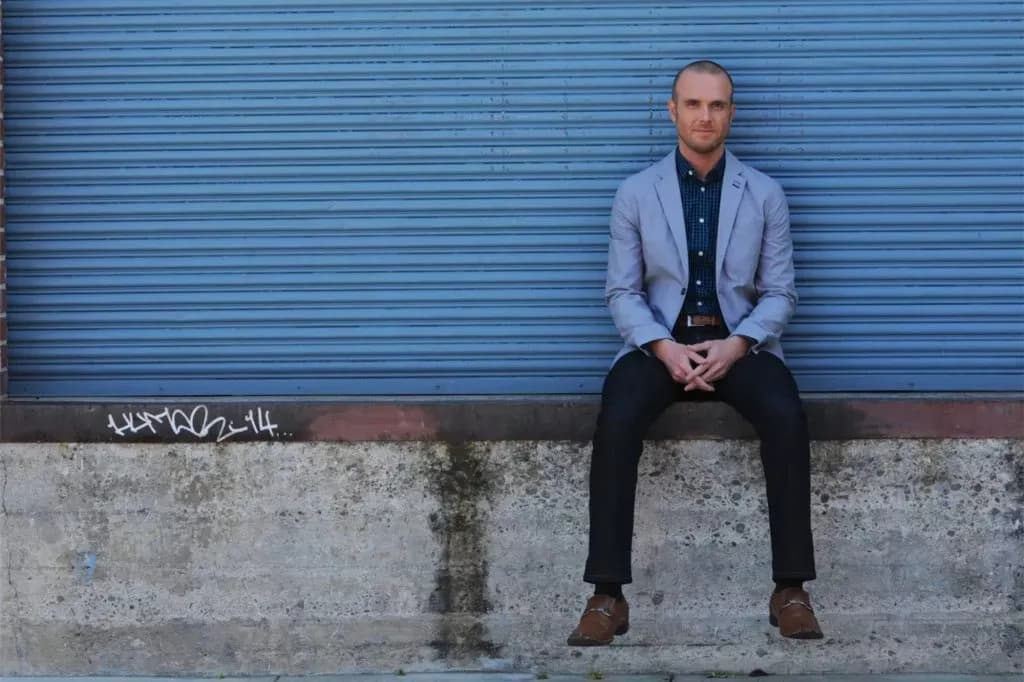
That’s the kind of unpredictable chaos Dan Tapster brings to the Vilar this Friday. The executive producer behind Netflix’s Our Planet and its new sequel, Life on Our Planet, is coming down the mountain to share the behind-the-scenes grit that goes into capturing nature’s most spectacular moments. It’s not just pretty footage; it’s a story of patience, absurdity, and the sheer unpredictability of working with animals that refuse to read the script.
You can feel the humor in his storytelling. Tapster doesn’t just show you the final cut; he tells you about the time his team went on a “Mission Impossible” search for the kakapo, a rare bird in New Zealand, only to find one that was more interested in mating with the cameraman than posing for the camera. “It jumped onto his head, and, well, things got nasty, let’s say,” he said. That’s the reality of field work. It’s not always majestic silence. Sometimes it’s a van full of camera gear that looks exactly like a local taxi in Dominica, causing pedestrians to try and hop in every time the vehicle stops at a light.
The Vilar is hosting this event as part of a tour that has been running since 2024, born out of genuine fan demand. People have seen the whale watching or the salmon run, and they’re left wondering: how do we do it? Tapster is here to answer that. He’ll talk about the challenges of filming for Life on Our Planet, including the visual effects work that allows them to place dinosaurs into real scenery. His latest show, The Dinosaurs, dropped on Netflix last month, and he’s eager to share the process behind it.
There’s a warmth to these stories because they’re grounded in real struggle. You’re not just getting the polished narration; you’re getting the part where narrator Morgan Freeman gets the giggles on the recording floor because of something ridiculous that happened in the field. You’re getting the detail about the poison ivy that makes you break out while you wait for the bird of paradise to finally do its dance.
This is what happens when you blend cinematography with personal anecdote. Tapster says, “There are different challenges along the way, but it’s all fun and games,” and you can hear the enthusiasm in his voice. It’s a reminder that even the most high-tech productions rely on human error, bad luck, and a lot of waiting.
The event takes place at the Vilar, a venue that has become a cultural hub for the valley. It’s worth the drive if you want to understand the machinery behind the magic. You’ll hear about the sheer unpredictability of nature, the technical hurdles of VFX, and the moments that make the crew laugh when they’re tired and muddy. It’s a chance to see the world through a lens that’s been through the wringer.
As you sit in the theater, you might find yourself thinking about the next time you see a nature documentary. You’ll remember the kakapo on the cameraman’s head. You’ll remember the bird that pooped on the lens. And you’ll realize that behind every perfect shot, there’s a story of waiting, watching, and hoping the animal doesn’t just walk away.
Keep up with Aspen
The day's Western Slope news, one email each morning. Free.