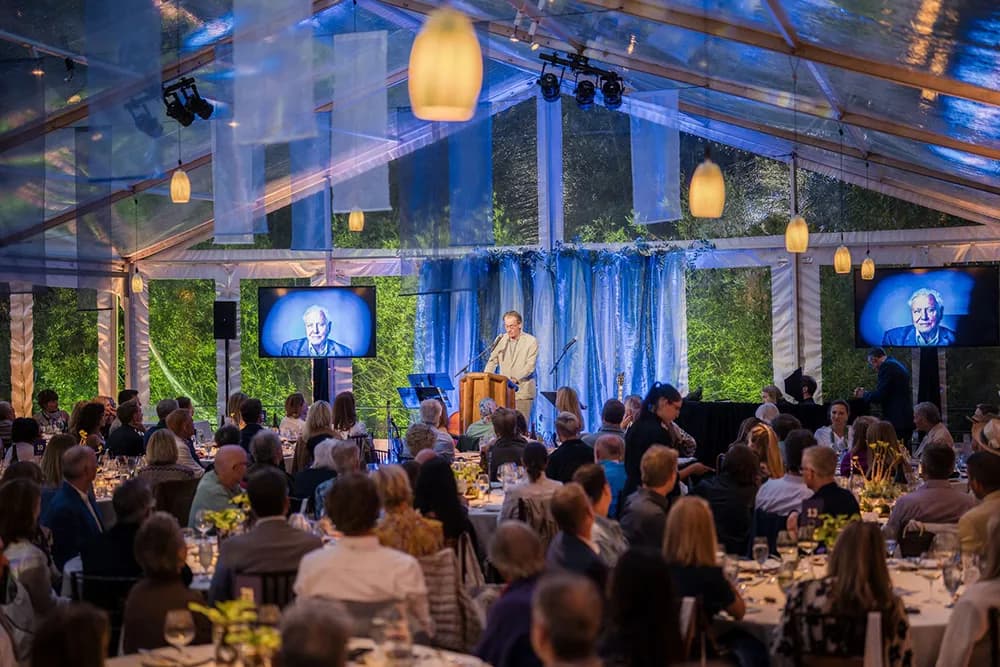
Aspen Psychedelic Symposium Brings Experts to Wheeler Opera House
The 2026 Aspen Psychedelic Symposium returns to the Wheeler Opera House June 6-7, featuring experts from MAPS and the Aspen Psychedelic Resource Center discussing policy, healing, and holistic medicine.
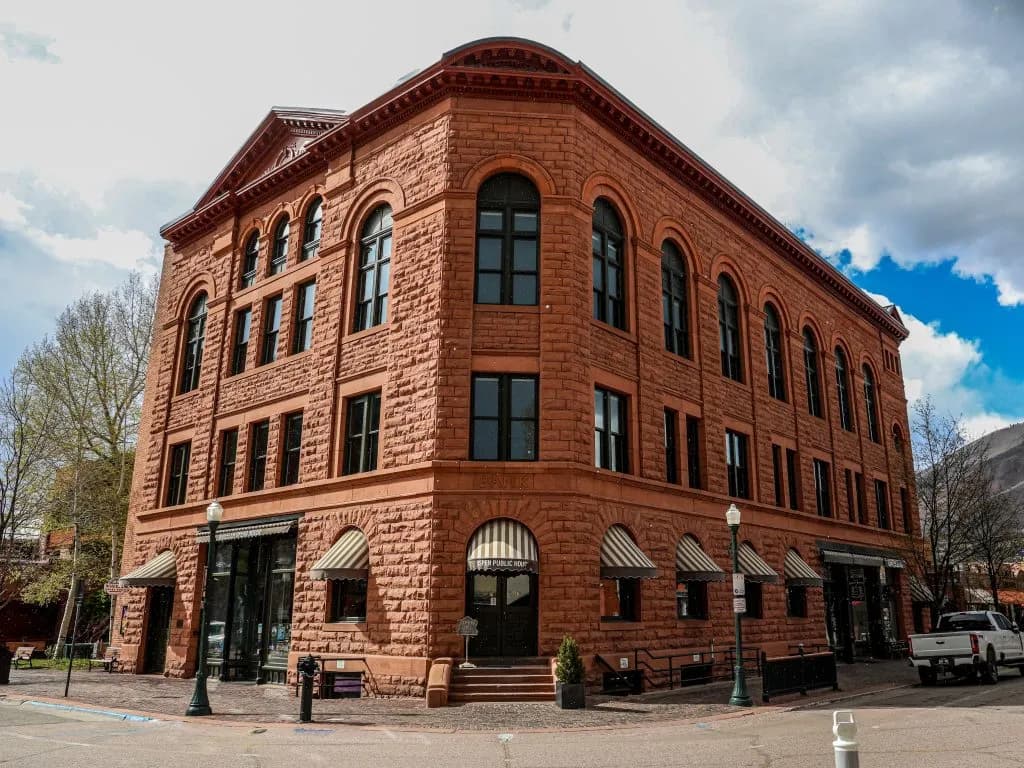
Aspen —What happens to the people of Aspen when the world’s leading experts on psychedelic medicine decide the Wheeler Opera House is the place to talk about it?
The answer is a packed schedule of panels, a lot of jargon, and a specific definition of "psychedelic" that has nothing to do with partying.
The 2026 Aspen Psychedelic Symposium lands June 6 and 7. It’s the fourth annual event. The hosts are the Aspen Psychedelic Resource Center, the Healing Advocacy Fund, and Aspen Public Radio. They want to educate the local community. They say they want to expand access to trusted education.
Make no mistake: this is not just about hippies and hallucinogens. It’s about policy, healing, and how a town in the high country intends to manage its own mental health landscape.
Breeze Richardson, Executive Director of Aspen Public Radio, says the event has been a highlight of her role since it launched in 2023. She notes that hearing from doctors and scientists about the "transformative world" of these medicines is crucial for the valley. But she’s also looking outward. The press release claims this symposium will spark a "lifelong ripple effect." It promises youth empowerment. It promises community transformation. It even hints at national policy initiatives reaching far beyond Aspen.
That’s a big promise for a two-day event in a historic theater. Worth watching.
Martha Hammel, Executive Director of the Aspen Psychedelic Resource Center, offers a different angle. She argues that the term "psychedelic" refers to the experience, not just the substance. Life itself is psychedelic, she says. Grief acts as one. Childbirth is another. Falling in love is the third.
The logic? These events train us for when life gets unexpectedly weird.
The symposium’s theme leans hard into this holistic view. Speakers will discuss using Ayahuasca ceremonies to help citizens from Israel and Palestine create peace. They’ll talk about how psychedelics can support regenerative agriculture and land management by reconnecting people with the earth.
"Healing really takes all forms," Hammel said.
The lineup is serious. Ismail Lourido Ali, Co-Executive Director at MAPS, is speaking. William Leonard Pickard, an advocate and storyteller, is on deck. Zach Leary, host of the MAPS podcast, will be there. Hanifa Nayo Washington, Co-Director of the Psychedelic Mental Health Access Alliance, is listed. Leor Roseman, PhD, a psychedelic researcher and founder of RIPPLES, is scheduled to speak. Ronan Wood, an Aspen High School alumni and psychedelic advocate, rounds out the notable names.
This isn’t new territory for Aspen. Hunter S. Thompson proposed a drug policy here in the 1970s. The conversation has been happening for decades. It’s just getting louder.
The short version: The event aims to bridge the gap between traditional medicine and modern psychedelic research. It wants to show locals that these aren’t just recreational drugs. They’re tools. Tools for peace. Tools for farming. Tools for surviving grief.
But here’s the thing the press release doesn’t explicitly state: who pays for this education? And who decides what "transformative" looks like for a local resident versus a national policymaker?
The speakers are established figures. Ali, Pickard, Leary, Washington, Roseman, Wood. They’re not unknowns. They have credentials. They have platforms.
The event takes place at the Wheeler Opera House. It’s central. It’s accessible. It’s Aspen.
Hammel says it begins with a holistic understanding. That’s the goal. Whether it achieves it depends on how much of this "transformative" energy actually sticks to the walls of the valley after the speakers leave.
The symposium runs June 6 and 7. The doors open. The panels begin. The question is whether the locals will listen, or if it’s just another expensive lecture series for the well-connected.
Read that again.
Keep up with Aspen
The day's Western Slope news, one email each morning. Free.