Frontier Flight 4345 Hits Trespasser at Denver Airport
Frontier Airlines Flight 4345 struck a trespasser who jumped the perimeter fence at Denver International Airport, causing an engine fire and leading to the victim's death.
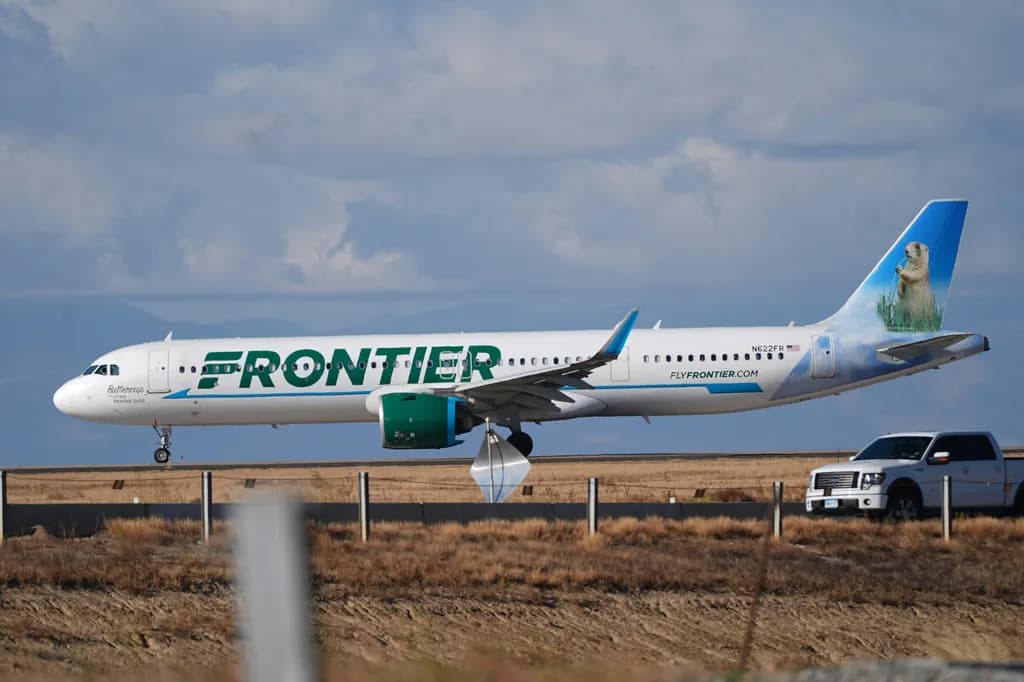
Colorado —A person jumped a perimeter fence. Two minutes later, they were hit by a jet engine.
That’s the core of the Denver International Airport incident Friday night, and it’s not just a statistic. It’s a $14 million Airbus A321, carrying 231 people, rolling down runway 17L at 11:19 p.m. when it struck a trespasser. The result was an engine fire, smoke in the cabin, and an evacuation that left 12 people with minor injuries. Five were bused to local hospitals.
Let’s look at the mechanics. The pilot told control tower they had “231 souls” on board. They reported hitting an “individual was walking across the runway.” The engine caught fire. Smoke filled the cabin. The decision wasn’t to keep going to Los Angeles; it was to abort takeoff and get people out.
This wasn’t a random accident waiting to happen. U.S. Transportation Secretary Sean Duffy confirmed the person breached security by deliberately scaling a perimeter fence. They weren’t an employee. They weren’t on the official roster. They just jumped the line and ran.
The immediate cost? Runway 17L is closed for investigation. That’s a major artery at the world’s sixth-busiest airport. Delays ripple. Cargo shifts. Flights divert. The National Transportation Board is already on it, which means the investigation will take time. Time is money, and in aviation, money burns fast.
Frontier Airlines identified the flight as 4345. The plane was heading to LAX. It carried 224 passengers and seven crew members. The evacuation via slides was orderly enough that only 12 reported minor injuries. That’s a good sign for the airline’s emergency protocols. It’s a bad sign for the person who died.
Here’s the thing locals need to understand about the "perimeter fence." It’s not just a fence. It’s a security layer. And someone jumped it. Twice, if you count the initial breach and the sprint to the runway. The airport said the person jumped the fence two minutes before impact. Two minutes is an eternity in aviation. It’s enough time for a pilot to rotate, for engines to spool, for a pedestrian to realize they’re in the way.
The airport’s official X account confirmed the strike. The pilot’s quote to ATC.com was blunt: “We just hit somebody. We have an engine fire.” No jargon. No fluff. Just the event.
Smoke was reported in the cabin. It’s unclear if the smoke came directly from the engine hit or if the fire spread. The pilots aborted. They evacuated. They bused everyone to the terminal. The airport handled the logistics. The NTSB handles the why.
For the neighbors watching the news, this isn’t just about Frontier. It’s about security at one of the busiest hubs in the country. It’s about the cost of a single breach. It’s about the fact that when a jet engine hits a human body, the result is fatal. The person died. The airport said so.
The runway remains closed. The investigation begins. The passengers go home. The plane gets checked. The fence stays up, until the next person decides to jump it.
That’s the bottom line. One breach. One death. One closed runway. The rest is just cleanup.
Keep up with Colorado
The day's Western Slope news, one email each morning. Free.


Federal Report Sets 200,000 Acre-Foot Water Conservation Target for Upper Basin
Colorado Parks and Wildlife Deploys Precision Drones for Weed Control