Bridges Pitches $20 Billion Treasury to Fund Colorado Housing
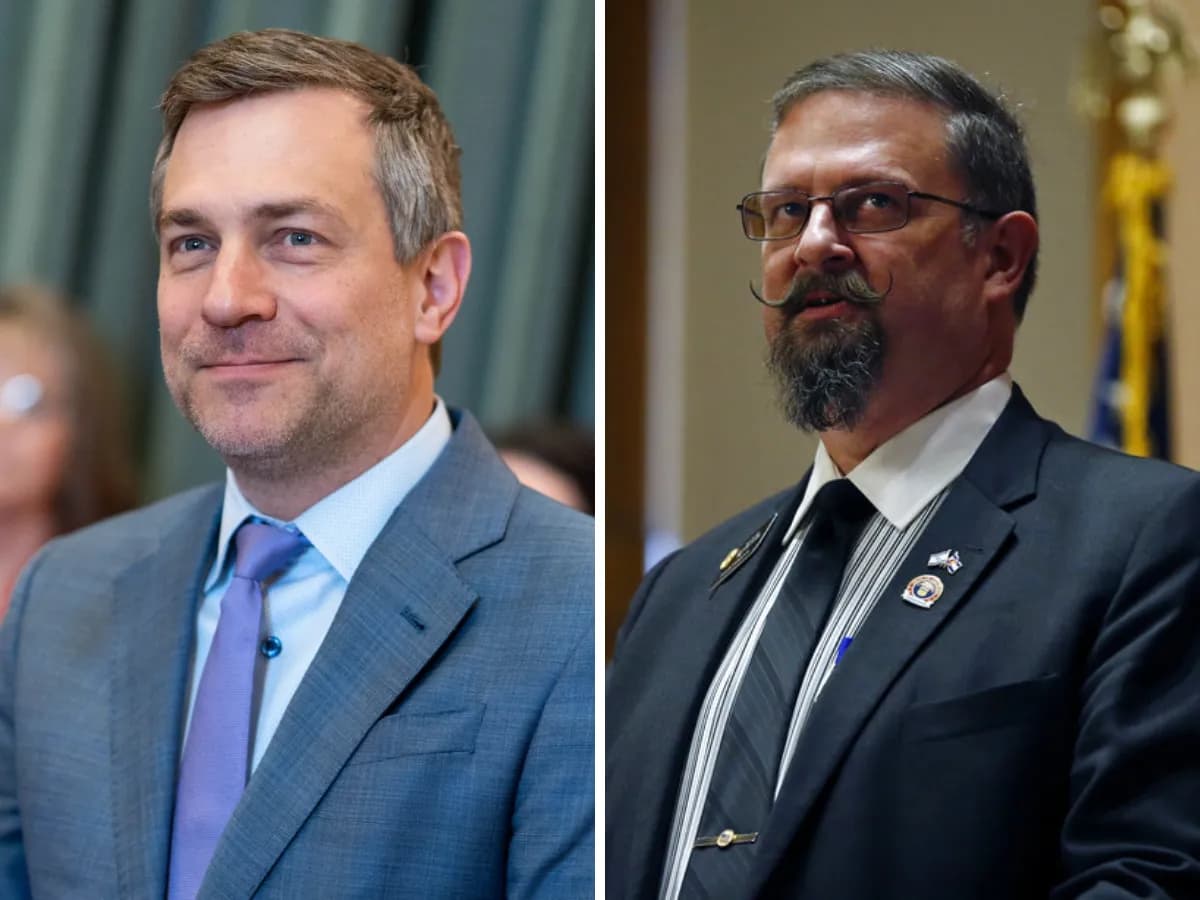
State Senator Jeff Bridges argues that Colorado’s $20 billion treasury portfolio should fund housing and infrastructure, a strategy his rival Kevin Grantham views with fiscal caution.
The state of Colorado holds a $15 to $20 billion investment portfolio, and the obvious assumption is that it sits in a vault, earning interest on Wall Street while the state struggles to pay for bridges and schools. The counterintuitive reality, according to one of the candidates running for state treasurer in 2026, is that this money could be doing far more than just preserving value. It could be funding the housing and infrastructure that the annual budget simply cannot afford.
That is the pitch from Jeff Bridges, a Democrat and state senator from Greenwood Village who is challenging Kevin Grantham for the top financial post in the state. The race pits Bridges, a vice-chair of the legislature’s Joint Budget Committee, against Grantham, a Republican from Cañon City and former president of the state senate. With incumbent Democrat Dave Young term-limited, this is a clean contest for control of the treasury’s operations.
To understand why Bridges wants to redirect those billions, you have to look at the mechanics of Colorado’s budget. The state operates under TABOR (Taxpayer’s Bill of Rights), which limits how much revenue the government can retain. When the state faces a shortfall, it doesn’t just cut spending; it often relies on one-time revenue sources or draws down reserves. Bridges argues that the treasury’s investment portfolio is a reserve that has been underutilized for direct state development.
Bridges told the Colorado Sun that his motivation is specific: to move funds away from a "standard national portfolio of Wall Street, Washington, and mortgage-backed securities."
"The reason I’m running is to invest those dollars into Colorado," Bridges said. "And to not just have them in that standard national portfolio of Wall Street, Washington, and mortgage-backed securities. The reason for that is that the budget is so [constrained]."
The implication is significant. If the treasurer begins treating the portfolio as a capital injection tool rather than just a savings account, it changes the dynamic between the legislature and the governor’s office. The budget has historically been a negotiation, but Bridges suggests that the treasury can act as an independent lever for investment in housing and childcare.
That depends on who you ask, however. Grantham, who served as state senate president in 2017 and 2018, brings a different perspective. As a former Fremont County commissioner and real estate appraiser, his background is rooted in local fiscal conservatism. The Colorado Sun interviewed both major-party candidates on how they plan to manage the state’s finances, including their stances on the Colorado Public Employees’ Retirement Association (PERA) and the unclaimed property trust fund.
The unclaimed property program is a critical part of this equation. It acts as the state’s lost and found for assets like old bank accounts, security deposits, and insurance payouts. The treasurer manages this fund, and the decision of how to spend or distribute those unclaimed assets is a major point of contention. For locals in the valley, this isn't abstract finance; it’s about whether dormant dollars from a closed bank account in Denver eventually help fund a road repair in Gunnison or if they stay locked in state reserves.
The treasury also oversees financing for construction projects for schools and local governments. This is where the portfolio’s size becomes a tangible issue for communities across the state. If Bridges succeeds in his vision of using the portfolio to fund gaps in the budget, it could mean faster approvals for local projects that are currently stuck in annual legislative gridlock.
The question is whether the legislature will allow the treasurer to have that much autonomy over a portfolio of that magnitude. Bridges has chaired the Joint Budget Committee in recent years, giving him deep experience with how money moves through the state. Grantham spent two years on that same committee, so both men understand the machinery intimately.
Two minor-party candidates are also in the race: Libertarian Party nominee Jodie Barr and Marilee Langner Sturgis of the Approval Voting Party. Their presence adds a layer of complexity to a race that is fundamentally about how much trust the public places in the state’s ability to manage its own money.
For now, Bridges is betting that voters are tired of the status quo. He wants to be the one who unlocks the portfolio for direct investment in Colorado’s needs.
"The reason I’m running is to invest those dollars into Colorado," Bridges said, "and to not just have them in that standard national portfolio of Wall Street, Washington, and mortgage-backed securities."
Keep up with the Western Slope
The day's Western Slope news, one email each morning. Free.