Gondola Ventures Buys Glenwood Caverns For $14.8 Million
A federal judge approved the $14.8 million sale of Glenwood Caverns to Seattle-based Gondola Ventures, ending a Chapter 11 case triggered by a fatal lawsuit.
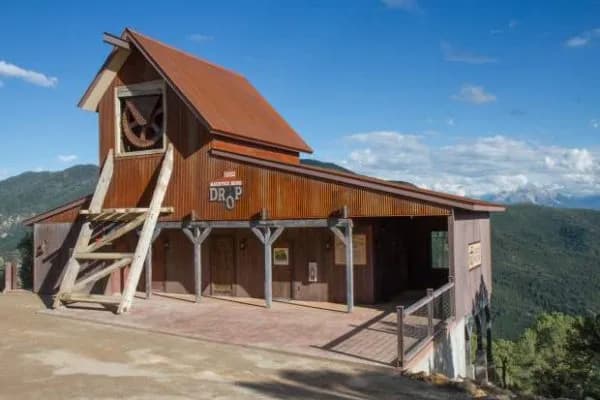
Glenwood Springs —On a Tuesday morning, the federal court system made a decision that will reshape the skyline above Glenwood Springs. A judge signed off on a deal, and the mountaintop amusement park that has been a local landmark for decades is changing hands.
The question is whether the new ownership group can keep the lights on and the rides running without falling into the same financial traps as the previous administration. To hear them tell it, the math holds up.
A federal bankruptcy judge has approved the $14.8 million sale of Glenwood Caverns Adventure Park to an ownership group controlled by Seattle-based Gondola Ventures, according to reporting from The Denver Post. United States Bankruptcy Court Chief Judge Kimberley Tyson ruled that GVC Glenwood LLC, which is 80% controlled by Gondola Ventures, can purchase the park.
Glenwood Caverns founder Steve Beckley will retain a 20% stake in the new entity. This isn't a total exit for the man who built it, but it is a significant dilution of control. The sale comes about eight months after Glenwood Caverns Holdings LLC filed for Chapter 11 bankruptcy protection in February. That filing followed a wrongful death judgment tied to the 2021 death of 6-year-old Wongel Estifanos.
For locals, the news is a mix of relief and skepticism. The park was in a precarious position legally and financially, but the transition to a Seattle-based corporate structure raises questions about local management. The Post Independent’s Taylor Cramer noted the approval, but the broader context is a business that survived a fatal lawsuit and a bankruptcy filing only to be sold off.
This story topped the list of most-read articles on postindependent.com from Sept. 28 to Oct. 5, signaling that the community is watching closely.
The second most-read story moved from the mountains to the county commission chambers in Rifle. How Garfield County grows — and how it responds to the pressures of that growth — emerged as a central question during a regional candidate forum.
Commissioner candidates Jonathan Godes and Eric Rudd debated housing, the South Bridge project, transportation, and the county’s changing economy. The candidates met at the Ute Theater in Rifle ahead of the Nov. 3 election. Both acknowledged that Garfield County is becoming increasingly difficult for working families to afford, but they offered different approaches to development and the county government’s role in addressing it.
The debate highlights a tension that defines much of the Western Slope right now: rapid population growth meeting limited infrastructure and affordable housing stock. It’s a topic that hits the commute, the property tax bill, and the daily grind for neighbors in Rifle, Glenwood Springs, and beyond.
In third place was a sports story that captured the emotional rollercoaster of high school football in Glenwood Springs. The struggling Demons varsity team’s homecoming game told a tale of two halves.
When the halftime buzzer sounded, the massive crowd at Stubler Memorial Field was already planning the celebration. The Demons had made the Grand Junction Central Warriors’ high-flying offense look almost inept, holding a 12-0 lead. But as the fourth quarter ticked down, the nervous energy was palpable. Grand Junction Central chipped away at the lead, spoiling what should have been a comfortable win for the home team.
The Post Independent’s Jaymin Kanzer covered the game, noting how the tension built on the sideline. It’s a reminder that even in business and politics, momentum can shift quickly when you let your guard down.
Rounding out the top five was a story about healthcare access, a perennial concern for people living far from major urban centers. Millions of dollars in federal funding are headed to Western Slope healthcare providers as the state looks to address persistent rural workforce shortages and expand access to care.
Colorado is directing roughly $169.5 million in Rural Health Transformation grants to providers across the state, including Western Slope hospitals and CMC. The funding aims to keep doctors in rural areas where the talent pool is thin and recruitment is difficult.
For folks around here, this money matters. It’s the difference between a specialist visit that requires a four-hour drive to Denver and one that happens in town. The Post Independent’s reporting on the grants underscores a reality for many residents: healthcare access is a logistical challenge that federal dollars are trying, however imperfectly, to solve.
The week’s most-read stories paint a clear picture of what keeps the Western Slope awake at night. It’s money, growth, and survival. The Caverns sale is a business transaction with local consequences. The county debate is about how we live together as the population swells. And the healthcare grants are a lifeline for a system that is stretched thin.
As the new owners of Glenwood Caverns take the keys, the focus shifts to execution. The bankruptcy is over, but the business is just beginning its next chapter.
Steve Beckley told reporters that he remains committed to the park’s long-term success, even with a reduced stake. "We’re looking forward to working with the new partners to ensure the park thrives for generations to come," he said.
Keep up with Glenwood Springs
The day's Western Slope news, one email each morning. Free.




Rifle Bears Dismantle Glenwood Springs Demons 28-0 in Shutout Victory
Glenwood Man Climbs Mount Sopris to Save Florida Theatre