Broomfield Survey Finds Two-Thirds of Coloradans Oppose AI
A new Broomfield-based survey reveals two-thirds of Coloradans view AI unfavorably, with strong opposition among young adults despite widespread personal use of AI tools.
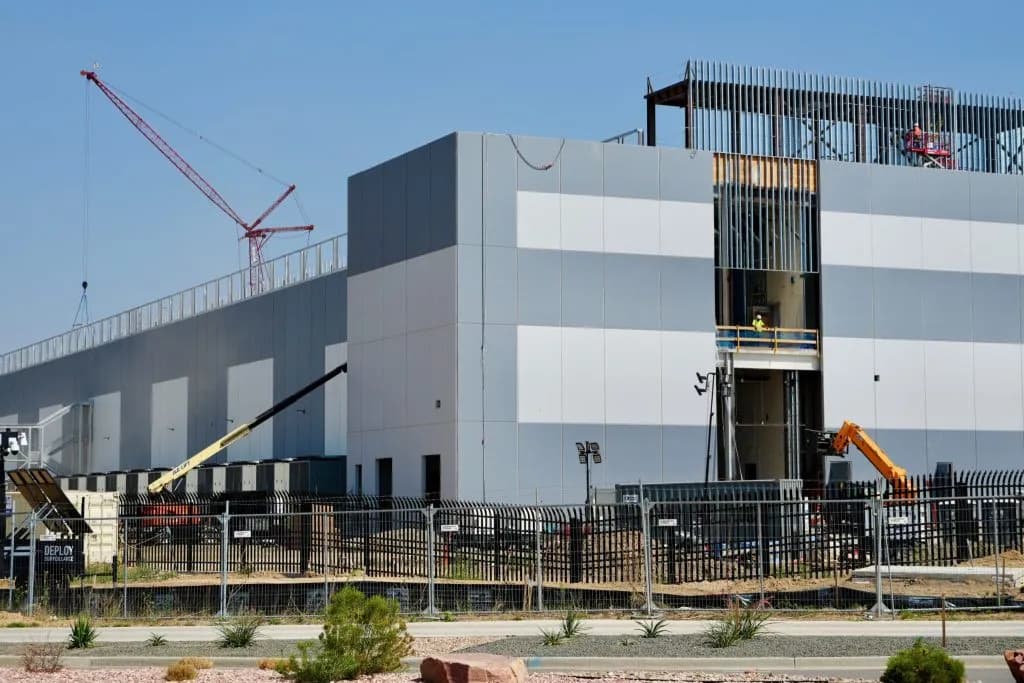
Aspen —The hum of a server farm in Broomfield is invisible, but the weight of it lands on every one of us. If you’ve been wondering whether your neighbors in Glenwood Springs or Grand Junction share the same quiet unease about the algorithms creeping into their daily lives, a new state-wide survey offers a definitive answer. The short version: most of us don’t like it, and the younger we are, the more strongly we feel that way.
According to a survey released this weekend by Magellan Strategies, a nonpartisan research firm based in Broomfield, two-thirds of Coloradans hold an unfavorable opinion of artificial intelligence. The firm conducted the poll with nearly 1,400 registered voters between Aug. 26 and Sept. 2, with a margin of error of 2.63%. The Vail Daily reported on the findings, highlighting a stark generational divide that might surprise some.
Eighty-one percent of people between 18 and 44 years old do not like AI. That is a significantly higher rate of opposition than the 55% found among those aged 45 to 64, or the 49% of people over 65. You might expect the oldest generation to be most resistant, but it is actually the young adults who are pushing back hardest. Yet, despite this dislike, sixty percent of respondents said they had used AI tools in the previous year. We are using it while we worry about it, a contradiction that defines our current moment.
There is a warmth to the open-ended responses in the data, even when they are critical. One woman from Adams County wrote that AI is a "massive, terrifying economic ticking time bomb." A man in Boulder called generative AI "completely useless," arguing it discourages critical thought and learning. These aren’t just abstract concerns; they are feelings about how technology is reshaping work, education, and trust. Women were more unfavorable toward the technology than men, with 74% holding that attitude compared to 58% of men. Political affiliation also played a role, with Republicans more friendly toward AI than Democrats or unaffiliated voters.
Why do we feel this way? The survey respondents pointed to the environmental costs of the large data centers that power AI, a concern that hits close to home for folks in the valley who value clean air and water. There are fears of declining skills, job loss, and a lack of trust in the big tech companies building these systems. But for those who do like it, the pitch is efficiency and staying ahead of global competitors like China. One woman from Arapahoe County wrote, "I learn more by exploring topics I wouldn’t normally look at... And if we don’t lead with AI, someone else will."
This local sentiment arrives just as global leaders are hitting the brakes. Over the weekend, Anthropic CEO Dario Amodei published an essay asserting that AI is advancing too fast for researchers to safely monitor. Within hours, OpenAI CEO Sam Altman and Google DeepMind co-founder Demis Hassabis agreed that safety must take priority over growth. President Donald Trump, however, continues to reject calls for government regulation, viewing the U.S. and China as competitors in a race to master the technology.
The disconnect between our local skepticism and national policy is palpable. While Washington debates the pace of innovation, people in the valley are asking simpler questions: Does this make my life better? Is it safe? The survey suggests the answer is largely no, at least not yet. As we sit in our living rooms, scrolling through feeds curated by algorithms we don’t fully trust, the hum of those distant servers feels a little louder.
Keep up with Aspen
The day's Western Slope news, one email each morning. Free.