CDOT Director Highlights Funding Gaps for I-70 Repairs
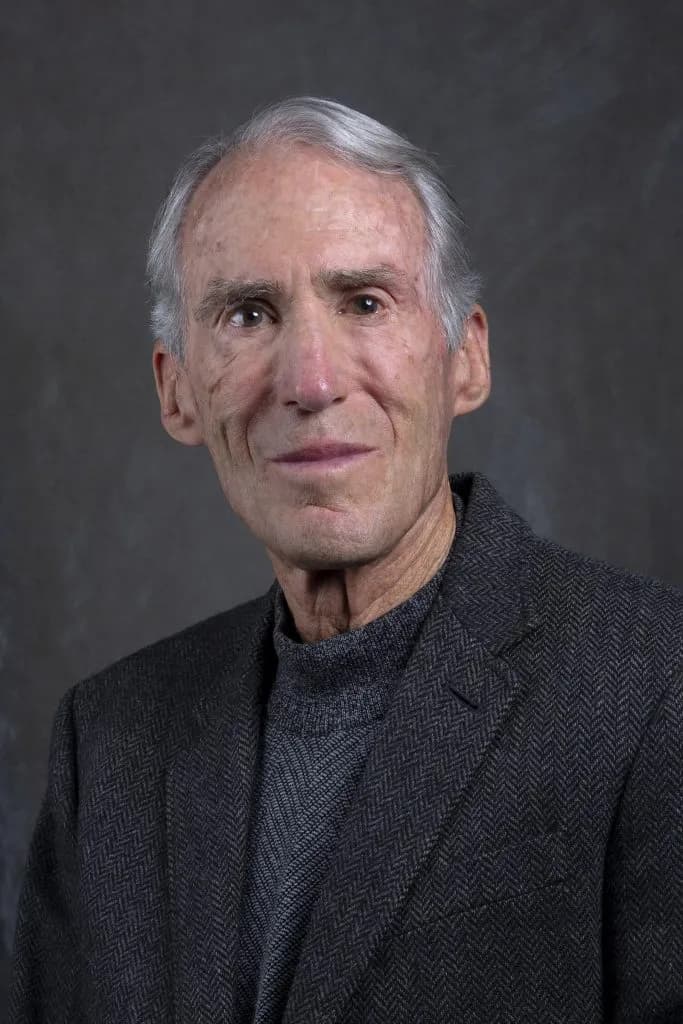
CDOT Region Three Director Jason Smith tells Pitkin County commissioners that underfunding and a stagnant gas tax threaten the sustainability of I-70 repairs in the Roaring Fork Valley.
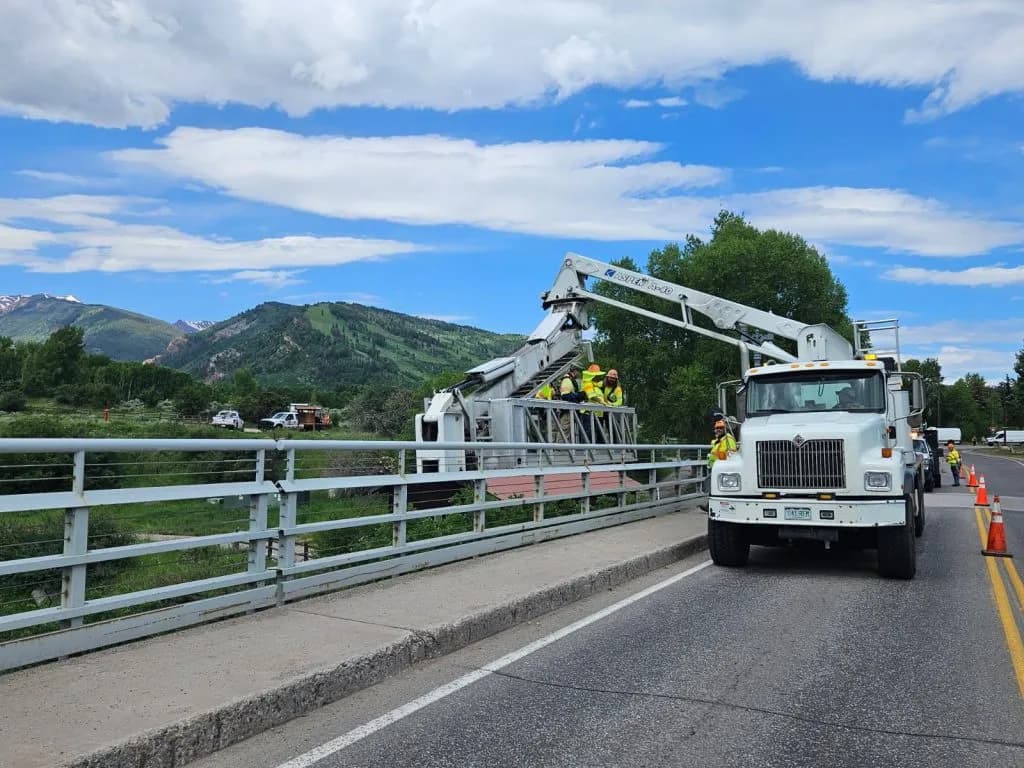
Gunnison —The gravel crunches under tires on the shoulder of I-70, a sound that has become the backdrop to every commute out of Glenwood Springs and back into the canyon. It’s a familiar rhythm, one that grows louder when the construction cones appear and the lanes narrow, forcing you to watch your speedometer while your mind races through the day’s obligations. You feel the vibration of heavy machinery in the steering wheel, a reminder that the road you rely on is never truly finished, only perpetually under repair.
That physical reality was the subtext of Tuesday’s presentation to the Pitkin County Board of County Commissioners, where Jason Smith, director of CDOT’s region three, laid bare the financial and logistical challenges facing northwestern Colorado’s transportation infrastructure. The scope of the task is staggering: region three covers 15 counties, encompassing over 5,000 lane miles, 13 mountain passes, seven tunnels, and more than 700 bridges. It is a vast, rugged network that serves as the state’s arterial spine, yet it operates on a shoestring compared to its statewide budget.
Smith described the department’s current focus as "wildly important goals" set in collaboration with the governor’s office, prioritizing road fixes, safety, and sustainable transportation choices. But the numbers tell a different story of scarcity. There are 52 active projects in the region — four in planning, 30 in design, and 18 in construction — but the funding gap is widening. The presentation highlighted a grim statistic: repairing and resurfacing roads in poor condition costs $3.8 million per mile. With an annual budget of just $46 million allocated for these repairs, it would theoretically take 300 years to reconstruct all roads that are not currently in "high condition."
"It’s a big budget statewide, $2.3 billion, but CDOT does a lot, and the region only really gets roughly $250 to $300 million in a given year," Smith told the commissioners. He noted that a significant portion of that regional share goes immediately into maintenance and is then divided among the 15 counties for their own capital improvement projects. For locals, this means the $54.7 million, 10-year plan for capital improvements in the Glenwood Canyon section of I-70 is just one slice of a much larger, underfunded pie.
The question hanging over the work session was one of sustainability. Chair Jeffrey Woodruff pressed Smith on whether the current trajectory was viable, noting that 2027 would likely be another challenging year from a state budget perspective. "How do we get ourselves out of this cycle?" Woodruff asked. "From your presentation, you’re clearly underfunded, and will be underfunded. As we’re lobbying at the state level in ’26 and ’27, how do we change this?"
Smith’s answer was honest, if not entirely satisfying. "I wish I had a good answer," he said. "We need more to sustain what we do have." He pointed to the gas tax, which hasn’t increased in over 30 years, as a primary culprit. It’s an outdated mechanism that simply doesn’t work for the modern economy, especially as fuel prices rise and vehicle efficiency improves. The region needs something "larger and longer" than the current patchwork of ballot initiatives and bills to see real improvement.
As the meeting adjourned, the conversation shifted back to the physical reality of the roads. You can feel the weight of that $3.8 million per mile repair cost in every pothole filled and every lane closed. It’s not just about the money; it’s about the time it takes to fix what’s broken, and the uncertainty of whether the fix will hold long enough for your children to drive the same route without the same delays. The sun dips lower over the Roaring Fork Valley, casting long shadows across the asphalt, waiting for the next layer of repair.
Keep up with Gunnison
The day's Western Slope news, one email each morning. Free.