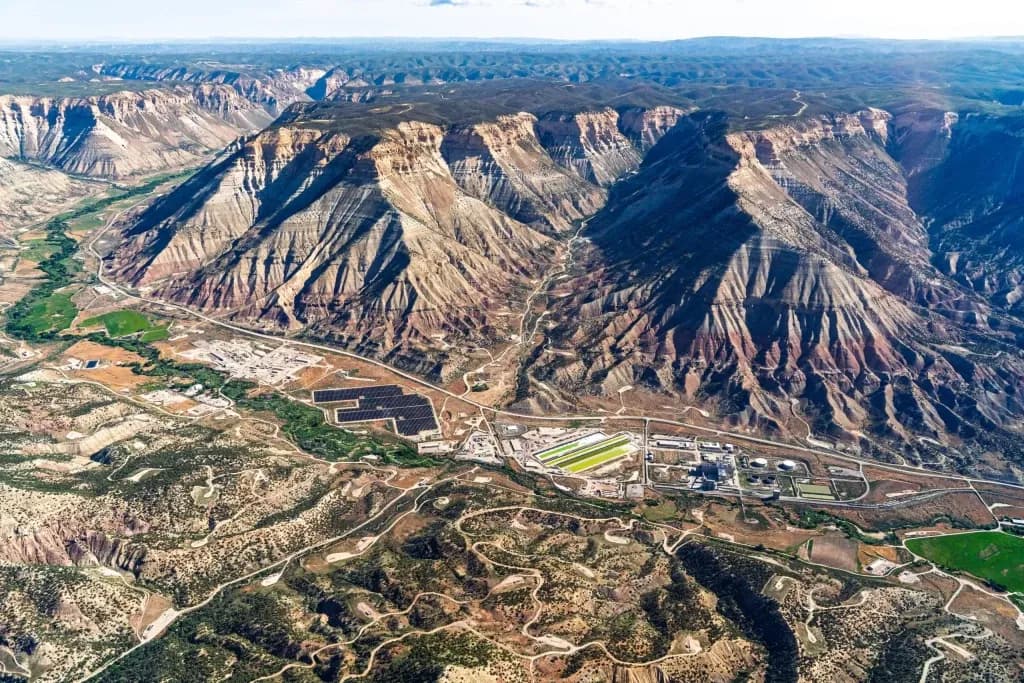
Glenwood Springs Housing Costs and Artificial Sweetener Health Risks Explained
A $14 million Glenwood Springs housing project highlights rising local costs, while a breakdown of artificial sweeteners reveals hidden health risks like digestive issues and potential cancer links.
Glenwood Springs —A $14 million project. Twelve units.
That’s the headline you see when looking at the new development off Highway 82 in Glenwood Springs. But if you drive past the site on a Tuesday morning, what you actually see is dirt, dust, and a lot of paperwork. The numbers on the sign look impressive until you do the math. Twelve units for $14 million? That’s over a million dollars per door, not counting the infrastructure upgrades.
Let’s do the math on what that actually means for your property tax bill and your morning commute. The current assessment values in Garfield County don’t quite reflect the premium pricing of these new builds. If the market corrects, or if interest rates stay where they are, those "affordable" labels start to look like marketing fluff.
Feinsinger wrote in the Post Independent last week about another kind of hidden cost: artificial sweeteners. It’s not a housing story, but it’s a health one, and health costs eventually show up in local insurance premiums and grocery prices. The column argues that Big Food has Americans hooked on salt, sugar, and added oil. Artificial sweeteners aren’t the solution, Feinsinger notes, because they cause people to eat more of whatever they’re in.
Dr. Joel Fuhrman puts it simply in his book “Eat to Live”: consuming something with a sweet taste primes the body for a calorie delivery that doesn’t happen. Users seek more sweets to satisfy cravings. It’s a cycle. You save calories on the drink, but you make up for it in the snack aisle.
The data from Nutrition Action, published by the Center for Science in the Public Interest, breaks down the specific culprits. Allulose is safe but can cause diarrhea in high doses. Sucralose (Splenda) might boost blood sugar, though more studies are needed. Monk fruit is calorie-free but often mixed with other artificial sweeteners due to a bitter aftertaste. Stevia is safe, but again, often blended with others.
Then there are the sugar alcohols — erythritol, maltitol, mannitol, sorbitol, and xylitol. These are largely unabsorbed in the GI tract. They reach the colon, cause discomfort and diarrhea, and get fermented by the gut microbiome, leading to gas or bloating. People with irritable bowel syndrome should avoid them. Xylitol, found in gum and baked goods, can cause serious problems for dogs and chronic diarrhea for humans.
One study suggested erythritol increases blood clotting, elevating the risk of heart attacks and strokes. As Feinsinger points out, it’s unclear if that study was valid, but the risk is there. Aspartame, in Diet Coke and Diet Pepsi, has been shown to cause cancer in mice and rats. Men who drank at least one diet soda a day over 20 years had a slightly higher risk of multiple myeloma.
On paper, artificial sweeteners are a win for calorie counting. In practice, they mess with your gut and your cravings. The bottom line? They are used in about 5,000 foods and drinks, including toothpaste, throat lozenges, sugar-free gum, and low-fat yogurt.
For locals, this isn’t just about choosing between Splenda and Stevia at the coffee shop. It’s about understanding that "sugar-free" doesn't mean "healthy." It means you’re trading one set of problems for another. The gut microbiome changes, glucose levels rise, and you might end up eating more to feel full.
The practical impact is subtle but persistent. You pay for the product, you deal with the digestive issues, and you wait for more studies to confirm if the cancer risks in mice apply to humans. It’s not a crisis, but it’s a cost. And like the new housing developments, it’s something you’re already paying for, whether you realize it or not.
Keep up with Glenwood Springs
The day's Western Slope news, one email each morning. Free.



Glenwood Springs Resident Calls for Active Citizenship Amid AI Data Center Water Threats

Snyder Fire Helitack Crews Defended Against Accountability Critics