Chef Brooke Williamson and Sommelier Amanda McCrossin Lead Aspen Food & Wine Classic Sessions
Chef Brooke Williamson teaches precision brunch techniques while Sommelier Amanda McCrossin pairs wine with cinema at the Aspen Food & Wine Classic, driving local hospitality revenue.
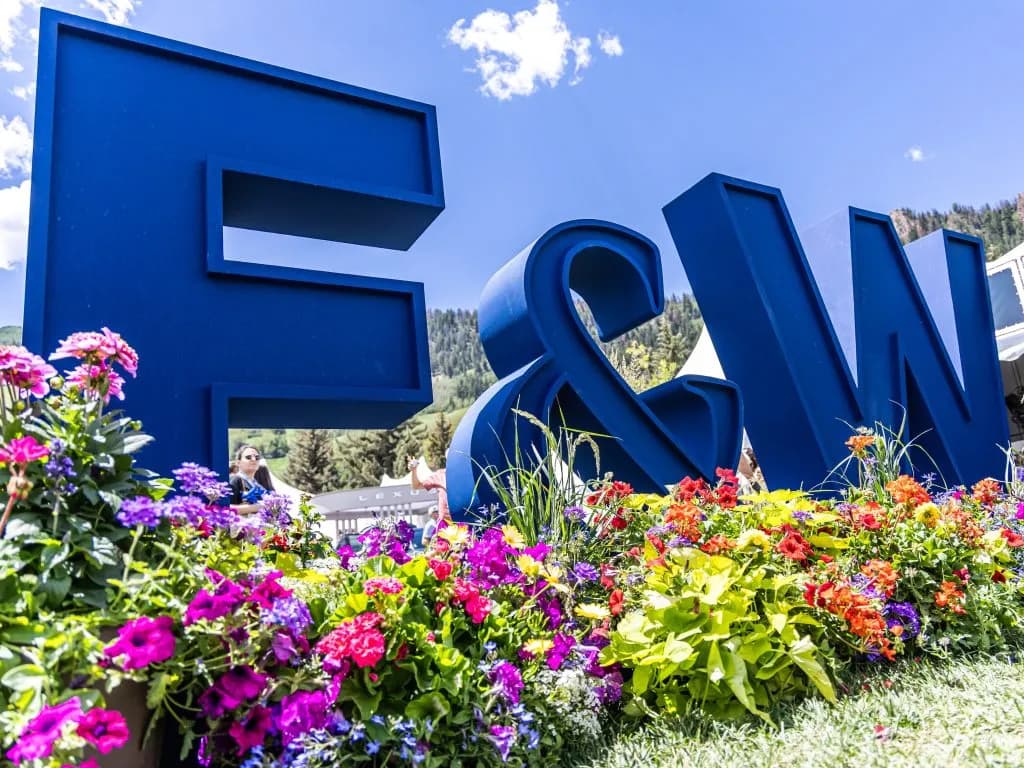
Aspen —Chef Brooke Williamson stands at the front of a room at the St. Regis Aspen, apron tied tight, ready to break down the architecture of a California-style brunch. It is Saturday, June 20, 2026. The air conditioning hums against the summer heat pressing against the windows. She isn’t just flipping eggs; she is teaching a masterclass in timing, flavor balance, and the specific kind of leisure that only happens when you have the time and money to care deeply about how your avocado toast is plated.
Across town, the vibe shifts from culinary precision to cinematic nostalgia. Inside the Paul J.A.S. Center, sommelier Amanda McCrossin is holding court. She has popcorn. She has wine. She has Pretty Woman queued up on the screen. This isn’t a lecture on tannins or terroir in the abstract; it’s about how a glass of wine interacts with a Hollywood romance. The audience eats, drinks, and watches Julia Roberts navigate Los Angeles, all while McCrossin explains which varietals cut through the richness of the scene’s most iconic meals.
This is the Food & Wine Classic at its full stride.
The event has settled into its rhythm. The initial rush of registration and early bird confusion has faded. Now, it’s about the content. It’s about the people who fly in or drive up from the valley specifically to learn how to pair a Chardonnay with a film that was released decades ago. It sounds niche. It is niche. But it’s also a significant economic engine for Aspen’s hospitality sector, filling rooms and restaurants with people who are willing to pay a premium for the privilege of being taught something new by someone who knows their stuff.
Williamson’s session is practical. It’s about brunch, a meal that has evolved from a lazy Sunday ritual into a competitive culinary battlefield. Her seminar likely covers the nuances of hollandaise stability, the importance of fresh herbs, and the art of making a dish that looks effortless but requires precision. The St. Regis provides the backdrop — polished wood, high ceilings, the kind of place where you expect your coffee to be refilled before you realize it’s empty.
McCrossin’s approach is different. It’s sensory. It’s about connection. By linking wine to film, she’s tapping into memory and emotion. People don’t just remember the taste of a wine; they remember the scene. They remember the feeling. When she leads a seminar on Pretty Woman, she’s not just talking about the wine in the movie; she’s talking about the wine that would have been in the movie, or the wines that evoke that same sense of glamour and excess. The popcorn is a deliberate choice — a casual, movie-theater staple that grounds the event in the experience of watching a film, not just analyzing a label.
The Aspen Times photographer Austin Colbert captured it all. The focus on Williamson shows her engagement with the audience. The shots of McCrossin show the relaxed, interactive nature of her session. You can see the audience leaning in. You can see the wine glasses. You can see the popcorn bowls. It’s not just about the food or the wine in isolation; it’s about the experience of consuming both while learning.
And that matters because this is what Aspen does. It takes high-end concepts and makes them accessible, or at least, makes them feel accessible. It takes a sommelier and makes her a storyteller. It takes a chef and makes her a teacher. The Food & Wine Classic isn’t just a series of lectures. It’s a celebration of the valley’s identity as a place where culture and consumption intersect.
The sun is still high over Aspen. The seminars are wrapping up. People are moving on to the next event, or perhaps to lunch. The popcorn wrappers are being cleared. The wine glasses are being washed. But the knowledge, the specific, curated knowledge of how to pair a film with a vintage, or how to build a brunch that rivals any in California; stays with the attendees. They leave with more than just a full stomach. They leave with a story. And in a town built on stories, that’s the most valuable commodity of all.
Keep up with Aspen
The day's Western Slope news, one email each morning. Free.

Stanford and MD Anderson Studies Target Single Receptor to Reverse Aging
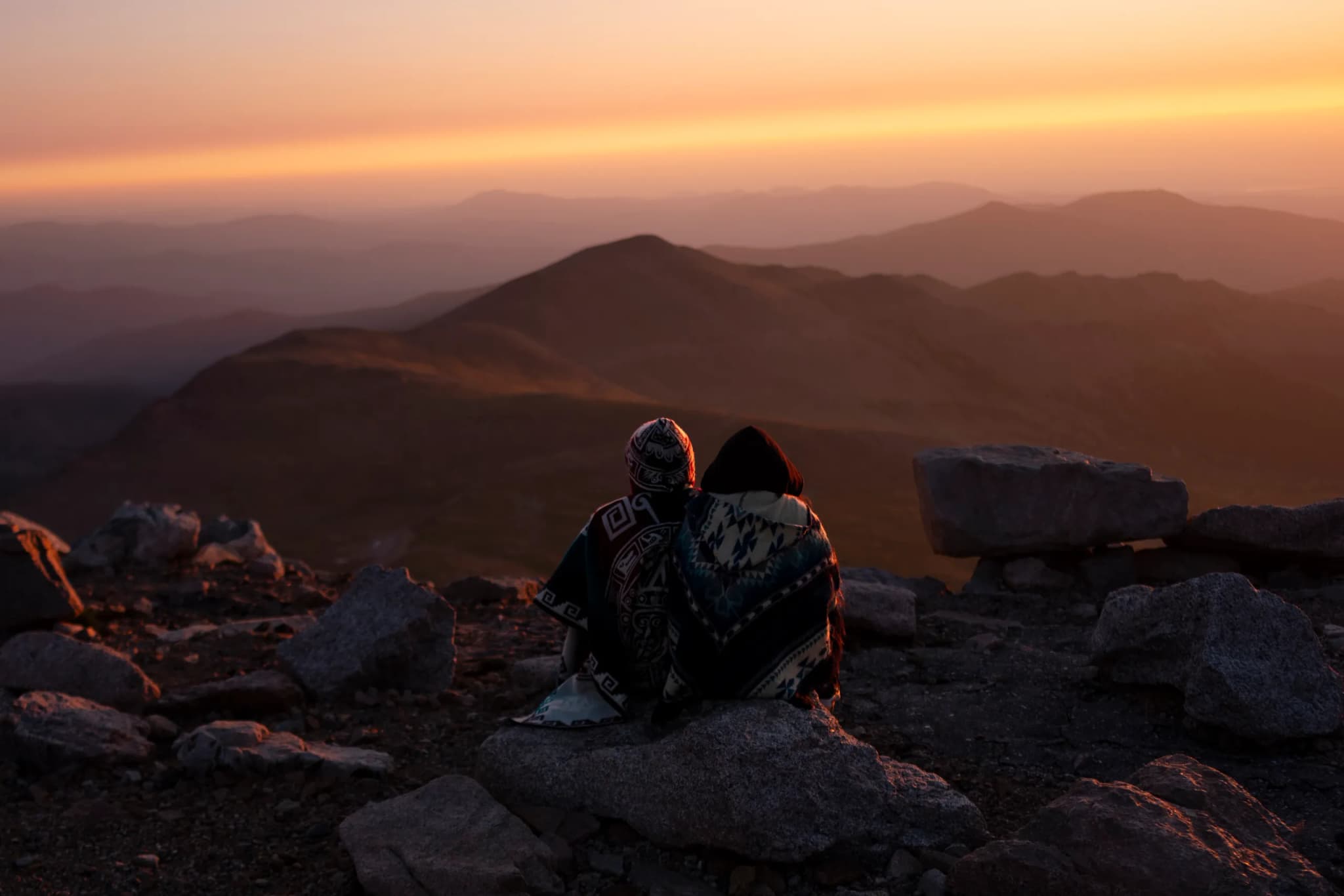
Tribal members bless Mount Blue Sky summit for Colorado sesquicentennial
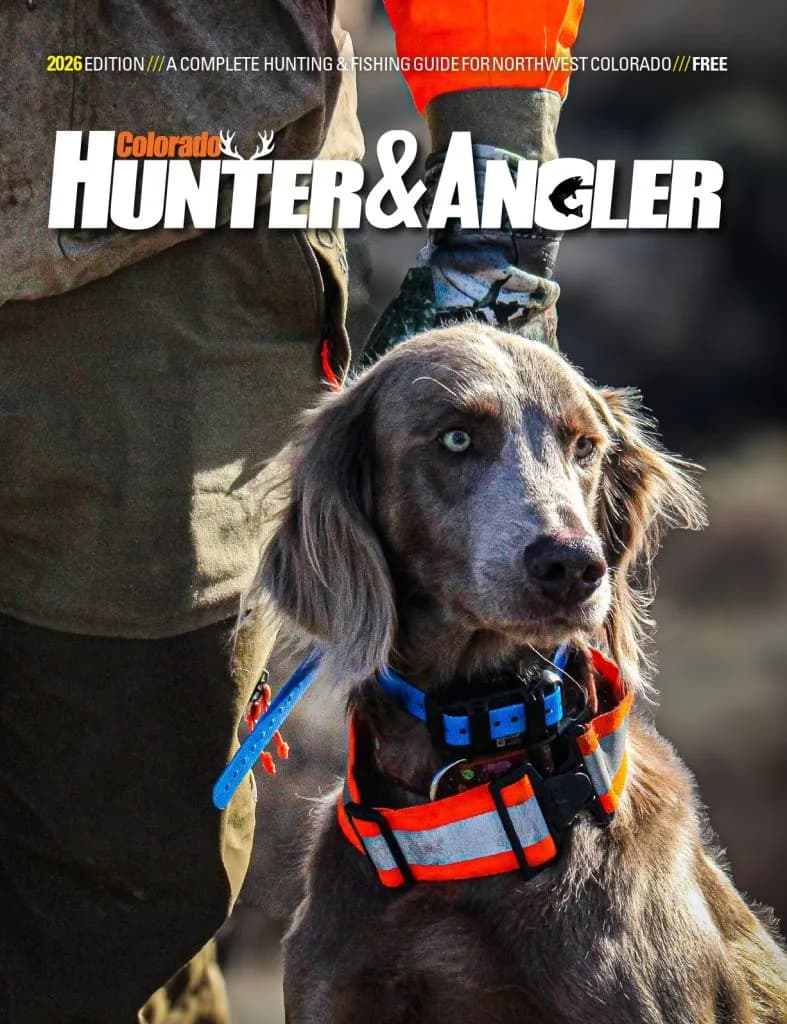
Craig Press Merges Two Magazines to Define Northwest Colorado’s Outdoor Identity
Eagle County Judge Receives Legacy Award for Mental Health Court Reforms

Vail Symposium Speaker Dr. Tierney Links Paleoclimate Data to Local Property Values