Cherry Creek School District Turns Buses into Grid Batteries
Cherry Creek School District partners with Xcel Energy to use its fleet of electric buses as backup power plants, storing energy overnight and discharging it during peak demand to stabilize the grid.
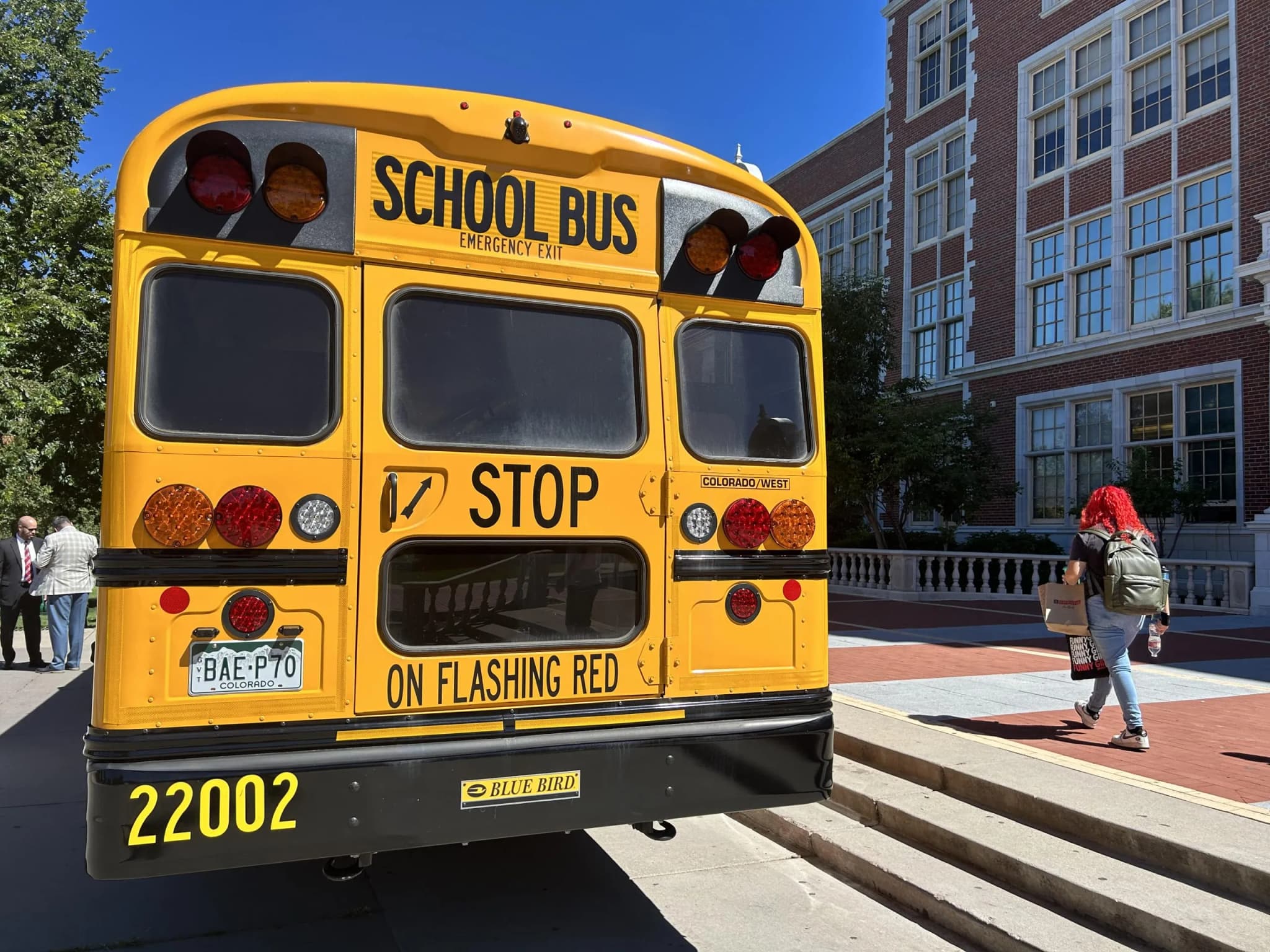
Colorado —The garage hums. Not with the sputter of diesel engines or the clatter of idling transmissions. It’s the quiet, electric purr of six massive batteries sitting in the dark, waiting for a signal from the grid.
This is the new reality for Cherry Creek School District’s fleet. The yellow buses aren’t just hauling kids anymore. They’re backup power plants.
Highland Electric Fleets is installing the system. Xcel Energy is funding it. The result is a bus barn that charges these vehicles when electricity is cheap and plentiful overnight, then taps into their stored juice during peak demand — usually around 5 p.m. in the summer, when everyone gets home and turns on the AC.
It’s called bi-directional charging. A fancy term for a simple concept: the grid borrows the bus’s battery when it needs a boost, then refills it later.
The district isn’t paying a dime for the hardware. A $2.4 million rebate from Xcel’s bus electrification program covers the six buses and the specialized charging infrastructure. The tech firm handles the hardware. Xcel provides the incentive. Cherry Creek gets a modernized fleet with lower long-term operating costs.
Jennifer Perry, the interim superintendent, called it a win for environmental goals and operational savings. She said it at the June 3 groundbreaking. The statement was polished. The reality is more complex.
Electric buses have fewer moving parts — 97% fewer than diesel engines. Maintenance drops. But the transition is expensive and messy for school districts already stretched thin. This partnership moves forward because the math, on paper, works. Diesel prices are up. Electricity prices fluctuate. The district locks in stability.
Highland Electric Fleets says the process happens in the background. No impact on daily routes. The buses charge overnight when grid demand is low. They discharge during peak hours. They recharge again before the morning rush.
But here’s the thing officials aren’t saying out loud: who controls the battery?
Xcel gets to draw down that stored energy. That means the buses might sit with less than a full charge when they need to head back to school, depending on how hard the grid pulls. The company says there’s plenty of overnight time to top up. But "plenty" is a relative term. If the grid stays hot for days, if the peak extends, the buffer shrinks.
The buses are assets. They’re also liabilities if they’re drained too dry.
This isn’t just about cleaning up noise or diesel pollution. That was the push during the Biden administration. It’s about grid resilience. It’s about using public infrastructure to stabilize a private utility’s peak load.
The district gets cheaper buses. Xcel gets a distributed energy resource that doesn’t require building a new power plant. The fleet operator gets a showcase project.
The buses will sit in the garage. They will glow yellow in the dark. And they will decide, minute by minute, whether they’re carrying students or carrying the weight of the grid.
Read that again. The school bus is the battery. The battery is the grid. And the taxpayer is footing the bill for the transition, even if the rebate covers the upfront cost.
Worth watching is what happens when the first major heatwave hits. When the ACs are cranked and the grid is sweating. Will the buses stay charged enough to get kids home? Or will Xcel pull the plug to keep the lights on?
The system is designed to handle it. But design is not destiny.
Keep up with Colorado
The day's Western Slope news, one email each morning. Free.


Federal Report Sets 200,000 Acre-Foot Water Conservation Target for Upper Basin
Colorado Parks and Wildlife Deploys Precision Drones for Weed Control