Climate Change Makes Snow Droughts 14 Times More Likely in Colorado
A Colorado School of Mines study reveals climate change made this winter's snow drought 14 times more likely, robbing 25% more moisture and threatening Green Mountain Reservoir's buffer.
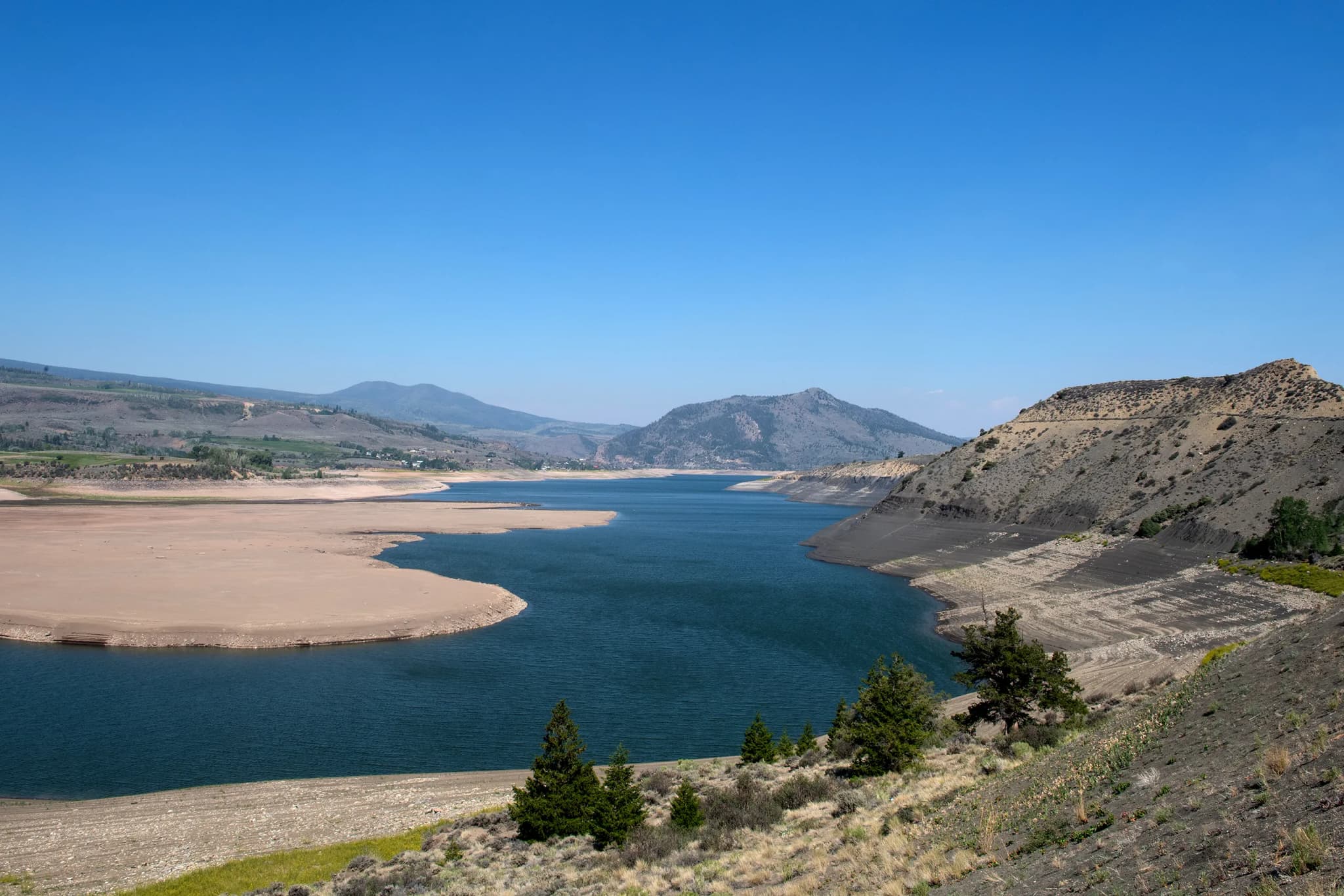
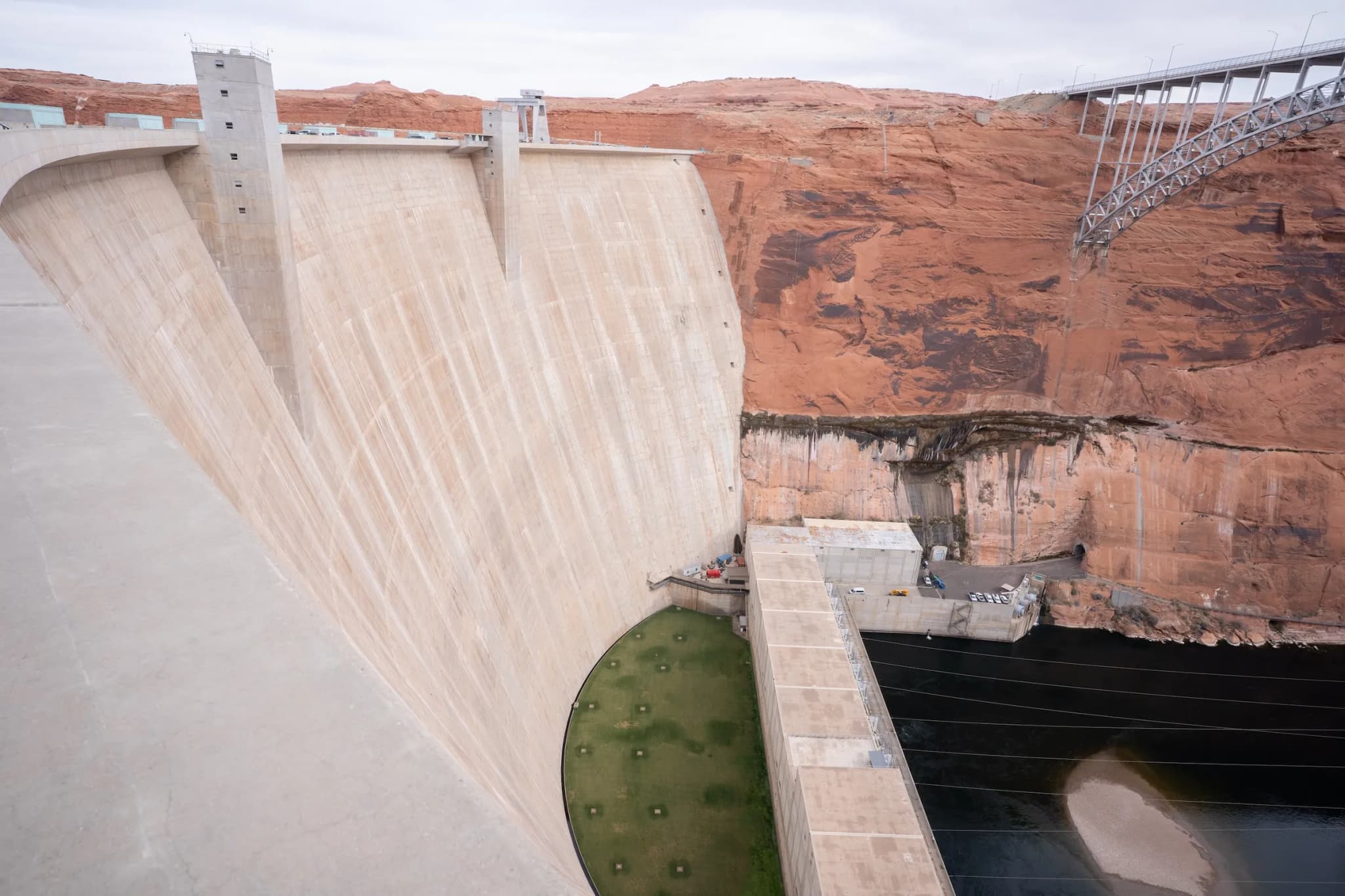
Colorado —Exposed banks extended high above the waterline of Green Mountain Reservoir. That’s the visual reality for Summit County residents this past Saturday, June 28. The blue river flowing into it was too weak to fill the Historic Users Pool, a 66,000-acre-foot buffer that has kept the lights on for nearly 250 communities and ranches across the Colorado River Basin for decades.
Now, that buffer is looking dangerously thin.
A new study from Colorado School of Mines researchers offers a stark explanation for why this winter’s snow drought hit so hard: it’s not just bad luck anymore. It’s climate change, and it’s making things worse. According to the research, published in the “Proceedings of the National Academy of Sciences,” this year’s devastating snow drought in the Upper Colorado River Basin was made 14 times more likely by years of global warming.
Let’s do the math on what that actually means for the water sitting in your local reservoirs.
The study found that warmer temperatures in the West have intensified the impact of the worst drought winters, specifically the 2025-26 season. The current snowpack drought robbed 25% more moisture from the snowpack than a similar-scale drought would have before the Industrial Age. That’s not a rounding error. It’s an entire Lake Mead’s worth of water lost. Lake Mead is the largest reservoir in the United States. We are talking about a massive volume of water that simply isn’t there to begin with because the air is warmer and thirstier.
Jason Connolly, who photographed the exposed banks at Green Mountain Reservoir, captured the physical result of this hydrological shift. The diminished flow of the Blue River couldn’t fill the pool. For the folks relying on those water rights, the prospect of not getting their full allocation is no longer a theoretical risk — it’s a looming logistical headache.
This isn’t a prediction for some distant future. The modeling assumes current “moderate” levels of greenhouse gas emissions will continue. Under that scenario, a snowpack drought like the one west of the Continental Divide experienced this past winter will happen more than three out of every 10 years by the 2050s. By the 2090s? It’ll be nearly nine out of ten years.
Adrienne Marshall, a climate hydrology expert and assistant professor of geology and geological engineering at Mines, co-authored the study. She’s not just crunching numbers; she’s looking at how we adapt.
“I hope this study is useful in that we can look at this snow year and say, ‘I don’t like this,’ and that it helps motivate us to think about how we can adapt to and avoid these very low snow years,” Marshall said.
The study notes that lower emissions scenarios would reduce this risk, but they should be pursued ambitiously. The near-term warning, however, is clear: adapt now. Even if we cut emissions tomorrow, the rising temperatures are already baked in. The likelihood of drought is already higher than it was 50 years ago.
Denver Water warned this past week that the situation is critical. The connection between the snowpack in the mountains and the water in the taps of the Western Slope is becoming increasingly fragile. When the snow melts, it doesn’t just disappear. It evaporates faster in the heat. It leaves less behind.
For locals, this means the water rights that have been guaranteed for generations are facing a new variable. The Historic Users Pool at Green Mountain Reservoir is the buffer we rely on when things go wrong. When the buffer shrinks, the margin for error vanishes. The study confirms what we’ve been feeling: the weather is changing, and it’s changing faster than our infrastructure was built to handle.
The bottom line is simple. The water isn’t just lower; it’s less reliable. And the 25% loss in moisture isn’t a temporary blip. It’s the new normal.
Keep up with Colorado
The day's Western Slope news, one email each morning. Free.
Federal Report Sets 200,000 Acre-Foot Water Conservation Target for Upper Basin
Colorado Parks and Wildlife Deploys Precision Drones for Weed Control