Colorado Attorney General Challenges Federal Rail Rule Change
Colorado Attorney General Phil Weiser expresses concerns over a proposed federal rule change that could bypass environmental reviews for rail infrastructure projects, potentially putting the state's natural resources at risk.
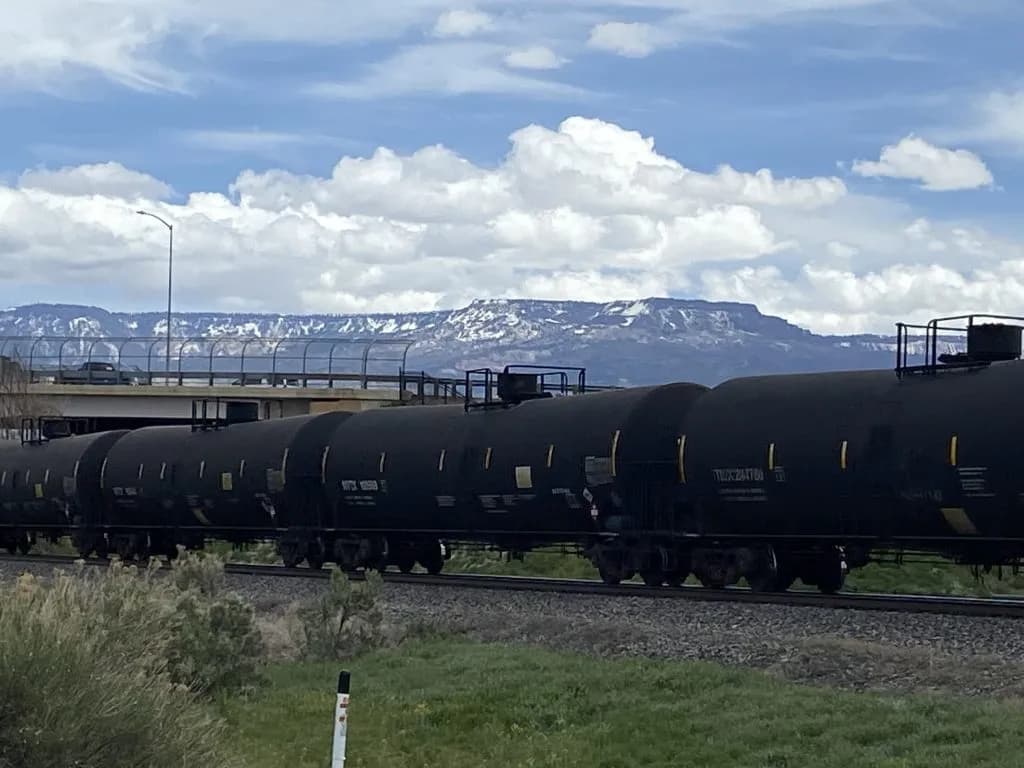
Aspen —The sound of trains rumbling through the Rocky Mountains is a familiar one, but a proposed rule change by the U.S. Surface Transportation Board (STB) has sparked concerns that the federal agency may be skirting environmental law. As the STB seeks to modernize and reform its permitting process, accelerating the approval of rail infrastructure projects, Colorado Attorney General Phil Weiser is weighing in, arguing that the use of "Categorical Exclusions" should be clearly defined to ensure transparency and protect the state's sensitive corridors.
The STB's proposal aims to cut unnecessary burden and lower costs across the transportation network, but critics argue that this comes at the expense of rigorous environmental review. The expansion of Categorical Exclusions, which would allow certain projects to bypass detailed environmental assessments, has raised red flags for Weiser and environmental groups like the Center for Biological Diversity. If this process were used for the proposed Uinta Basin Railway project, an 88-mile stretch of new track from the Uinta Basin oil fields of northeast Utah to Union Pacific's main rail line, it would essentially cut Colorado out of the review process.
As you drive along the scenic landscape, the beauty of the area is undeniable, but the risks associated with increased oil transportation are very real. Weiser's concern is that the STB's rule change could lead to unforeseen risks, particularly in areas prone to wildfires or home to endangered species. His formal comment on the STB's rule change emphasizes the need for clarity on when a categorical exclusion will or will not apply in such settings. Can you imagine the devastating impact of an oil spill or a wildfire on our environment? The potential consequences are a concern for many, and it's essential to consider the long-term effects of such a rule change. Weiser's advocacy for transparency and environmental responsibility is a reminder that our state's natural resources are worth fighting for. The sound of the water flowing gently through the valley is a soothing one, but it's a sound that could be disrupted by the rumble of trains and the potential risks that come with them.
The STB's proposal is not an isolated issue; it is part of a larger trend of federal agencies seeking to expedite approval processes for energy-related projects. Earlier this year, Eagle County challenged the use of "Alternative Arrangements" by the U.S. Department of Interior and U.S. Bureau of Land Management, which allowed for the fast-tracking of the expansion of the Wildcat Loadout Facility in Utah. Weiser joined a multi-state lawsuit challenging Trump's "energy emergency" executive order, which aimed to accelerate the approval of energy projects.
As the sun sets over the Rocky Mountains, casting a golden glow over the landscape, it's hard not to feel a sense of unease about the potential consequences of the STB's rule change. Ted Zukoski, an attorney for the Center for Biological Diversity, shares Weiser's concerns, pointing out that the new rule would give the STB the ability to eliminate public comment on environmental review documents. This would mean that the public would be shut out of the process, and the agency might not have a comprehensive understanding of the potential risks and consequences. As you consider the implications of this rule change, ask yourself: what would happen if the public were no longer able to provide input on projects that could affect their communities and the environment?
Keep up with Aspen
The day's Western Slope news, one email each morning. Free.