Colorado Behavioral Health Administration Hires Deputy Commissioner Under Investigation
The Colorado Behavioral Health Administration's hiring of Lindsay Salas as deputy commissioner has raised concerns due to her ongoing investigation for allegedly stealing $99,000 from a nonprofit.
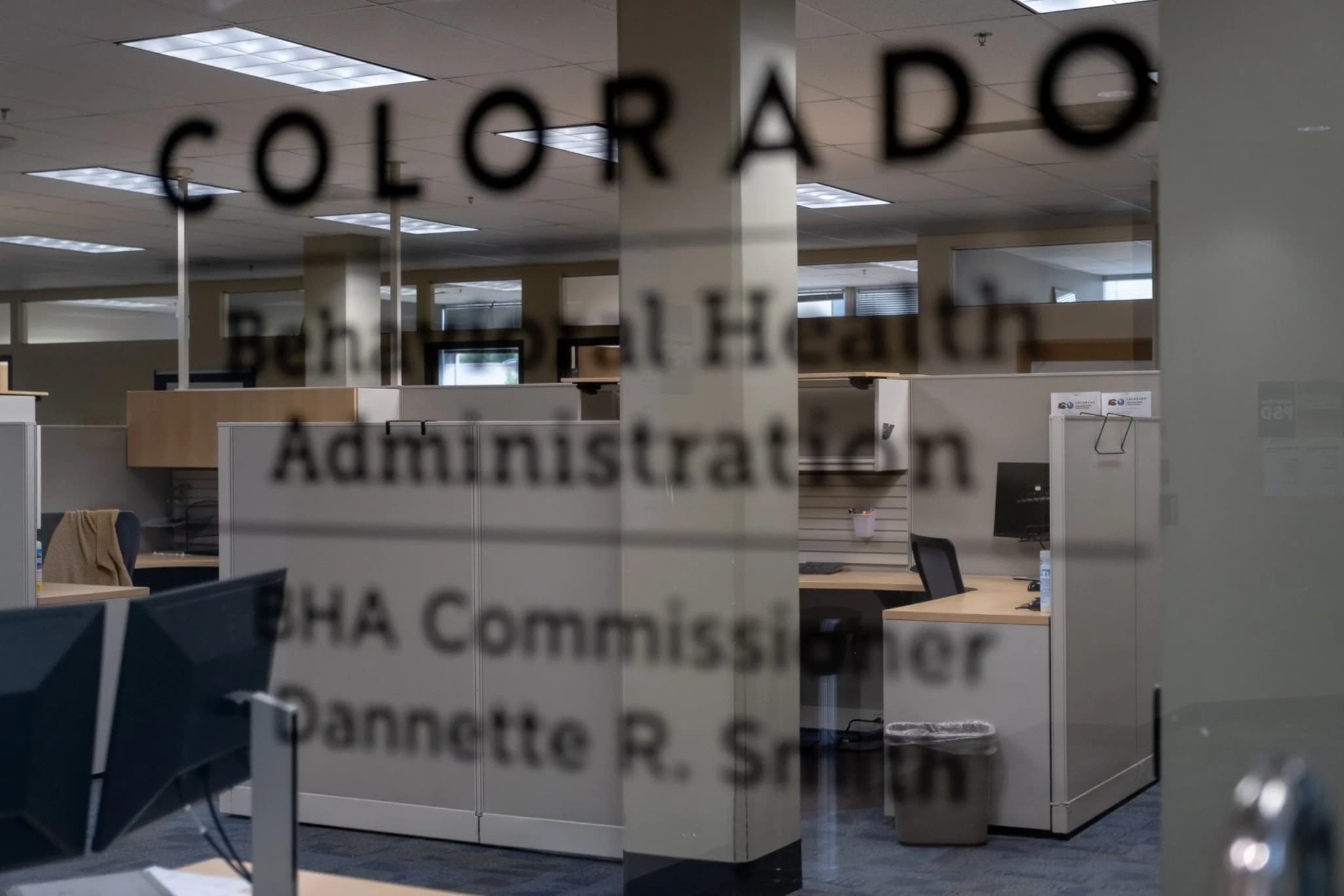
Colorado —The hiring of Lindsay Salas as deputy commissioner at the Colorado Behavioral Health Administration has raised eyebrows, particularly given the agency's history of leadership turnover and allegations of mismanagement. What's striking is that Salas was hired without the agency checking with her previous employer, CASA of Adams and Broomfield counties, or uncovering the fact that she was under investigation for stealing $99,000 from the nonprofit. As Cathy Lucas, a spokesperson for CASA, puts it, "CASA has had no communication with BHA" regarding Salas' job performance or the investigation into her actions.
The question is whether this lack of due diligence is a symptom of a larger problem within the agency. The Behavioral Health Administration has lost its first two commissioners amid allegations of mismanagement, and this latest development has only added to concerns about the agency's ability to effectively oversee its operations. As Lucas notes, CASA "cooperated fully" with the attorney general's investigation into Salas' actions, but the agency's failure to catch these red flags before hiring her is troubling.
The numbers back that up: Salas was accused of doctoring tuition reimbursement records to take $99,000 from CASA, and she agreed to a civil settlement to return $66,000 of the money. This is a significant amount, equivalent to what a small town on the Western Slope might spend on community programs in a year. The fact that Salas was able to allegedly exploit a tuition reimbursement scheme for such a large sum raises questions about the nonprofit's financial controls, as well as the state agency's hiring practices.
The community's concerns will likely persist until the state addresses the issues surrounding Salas' hiring. Folks around here are wondering how this could have happened, especially given the agency's history of leadership turnover. As one might expect, the lack of transparency and accountability has only added to the frustration. The community deserves to know how the agency plans to prevent similar incidents in the future and ensure that its leaders are held to the highest standards of integrity.
As the attorney general's office continues to investigate Salas' actions, it's worth noting that the state's mental health agency has a critical role to play in supporting the mental health and wellbeing of Coloradans. The agency's ability to effectively oversee its operations and make sound hiring decisions is crucial to its success. As Lucas says, "Our focus remains on serving children and families in Adams and Broomfield counties." The same should be true for the state's efforts to support mental health, which must prioritize the needs of the community it serves.
The fact that Salas was hired in November, three months after the state Attorney General's Office learned of the theft allegations, raises further questions about the hiring practices of the Colorado Behavioral Health Administration. It's not clear what steps the agency took to vet Salas before hiring her, or whether it considered the potential risks of bringing her on board. As the community waits for answers, the agency's leadership must be more transparent and accountable in its decision-making.
In the end, the agency's leaders must make decisions that prioritize the needs of the community. As Lucas notes, "No general programmatic funding or donor contributions supporting CASA's mission were affected beyond this specific matter." The state's mental health efforts should also prioritize their mission to support the mental health and wellbeing of Coloradans. As the agency moves forward, it must learn from this experience and take steps to prevent similar incidents in the future. As Cathy Lucas says, "We will continue to cooperate fully with the attorney general's investigation and any remaining legal proceedings."
Keep up with Colorado
The day's Western Slope news, one email each morning. Free.

Federal Report Sets 200,000 Acre-Foot Water Conservation Target for Upper Basin
Colorado Parks and Wildlife Deploys Precision Drones for Weed Control