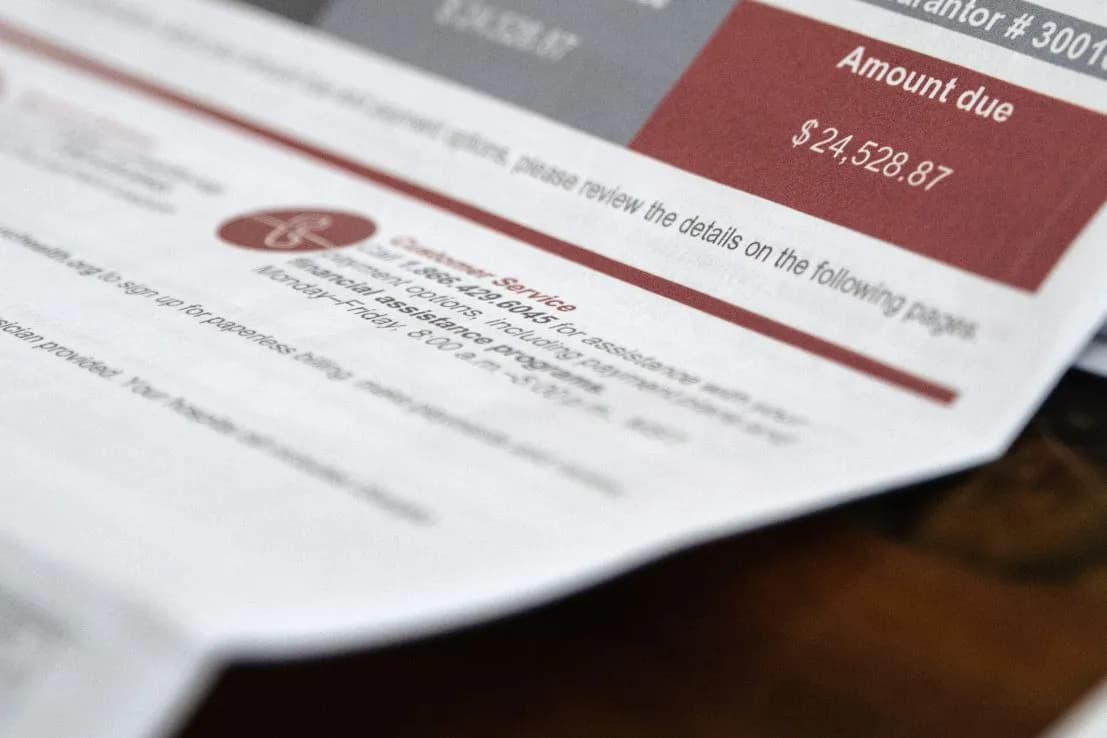
Colorado Contractors Push Initiative 175 to Lock Road Funding in Constitution
Tony Milo and the Colorado Contractors Association are pushing Initiative 175 to enshrine road funding in the state constitution, prompting lawmakers to pass House Bill 1430 to offset the $700 million cost by cutting other services.
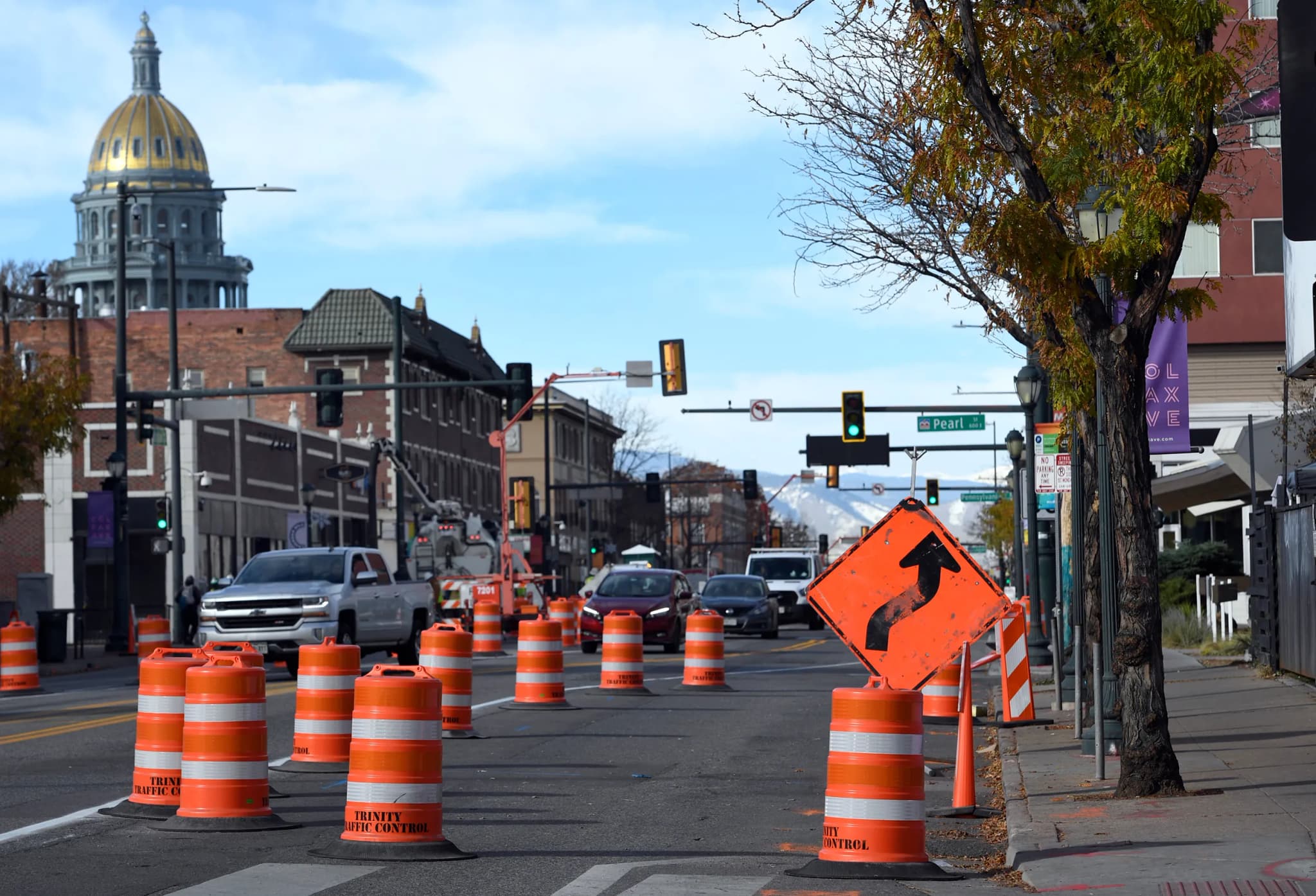
Colorado —Tony Milo doesn’t just want your tax dollars. He wants them locked in the state constitution.
The president and CEO of the Colorado Contractors Association is leading the charge for Initiative 175. It’s a plan to enshrine road funding in the state’s foundational document. The goal is simple: protect it from the budget axe. The only other public service with that same shield is K-12 education.
Make no mistake. This isn’t just about potholes. It’s about power.
With the legislative session winding down, Denver is rushing to pass House Bill 1430. The bill’s job is to neutralize the initiative before voters even get a chance to weigh in. If 175 passes, HB 1430 kicks in. It cuts the state gas tax and other transportation fees. That money goes directly to offset the cost of the mandated road spending.
The result? Other services get squeezed.
Supporters say Colorado’s roads are crumbling. They say if lawmakers won’t prioritize them, voters should force the issue. The contractors have submitted most of the signatures needed to qualify for the ballot. The deadline is May 27. They’re close.
But the cost is steep. Critics point to a $700 million hit to other state services. Healthcare. Childcare. Affordable housing. State worker pay. Higher education. All of it gets trimmed to pay for the asphalt.
Legislators have already slashed spending across the board to plug a recurring $1 billion annual shortfall. They even scaled back a bipartisan priority: a new K-12 funding formula designed to pump tens of millions into schools. Now, they’re betting on the ballot measure to drive the next round of cuts.
“There is an immense frustration that we are experiencing when special interests legislate at the ballot for funding their particular special interest,” Joint Budget Committee Chair Emily Sirota said.
She’s talking about the contractors. The construction companies backing Restore Our Roads stand to benefit financially if the measure passes. It’s a narrow question with a wide impact.
Milo isn’t buying the political maneuvering. He accuses lawmakers of subverting the will of the voters.
“By moving this bill now, legislators are telling Coloradans their votes don’t matter,” Milo said in a statement.
The short version: Democrats are tired of playing defense. They’ve spent years watching conservative groups use the initiative process as leverage. Now, they’re pushing back. They see Initiative 175 not as a public service mandate, but as a tool for a specific industry to secure funding at the expense of everyone else.
The tension is palpable. On one side, you have the contractors demanding legal protection for their bottom line. On the other, you have lawmakers trying to keep the rest of the state government from imploding.
Read that again. If the roads are protected by the constitution, the money has to come from somewhere. HB 1430 says it’ll come from cutting the gas tax. That means less fuel tax revenue to pay for the roads you’re demanding be fixed. It’s a loop. A financial tightrope.
And it’s happening while the state’s budget woes grow. More cuts are anticipated in 2027. The contractors’ position has hardened. They aren’t asking for permission anymore. They’re demanding a guarantee.
The question for locals isn’t just about road quality. It’s about what you’re willing to lose to keep them smooth. Do you want the constitutional shield? Or do you want the flexibility to adjust spending when the money runs out?
The bill is moving. The signatures are being counted. The clock is ticking.
Keep up with Colorado
The day's Western Slope news, one email each morning. Free.
Federal Report Sets 200,000 Acre-Foot Water Conservation Target for Upper Basin
Colorado Parks and Wildlife Deploys Precision Drones for Weed Control