Colorado Corrects AI Law After Tech Exodus Threatened $5.5B GDP
Colorado passes corrective legislation for its AI law after vague rules triggered a tech exodus, risking $5.5 billion in GDP and 30,000 jobs.

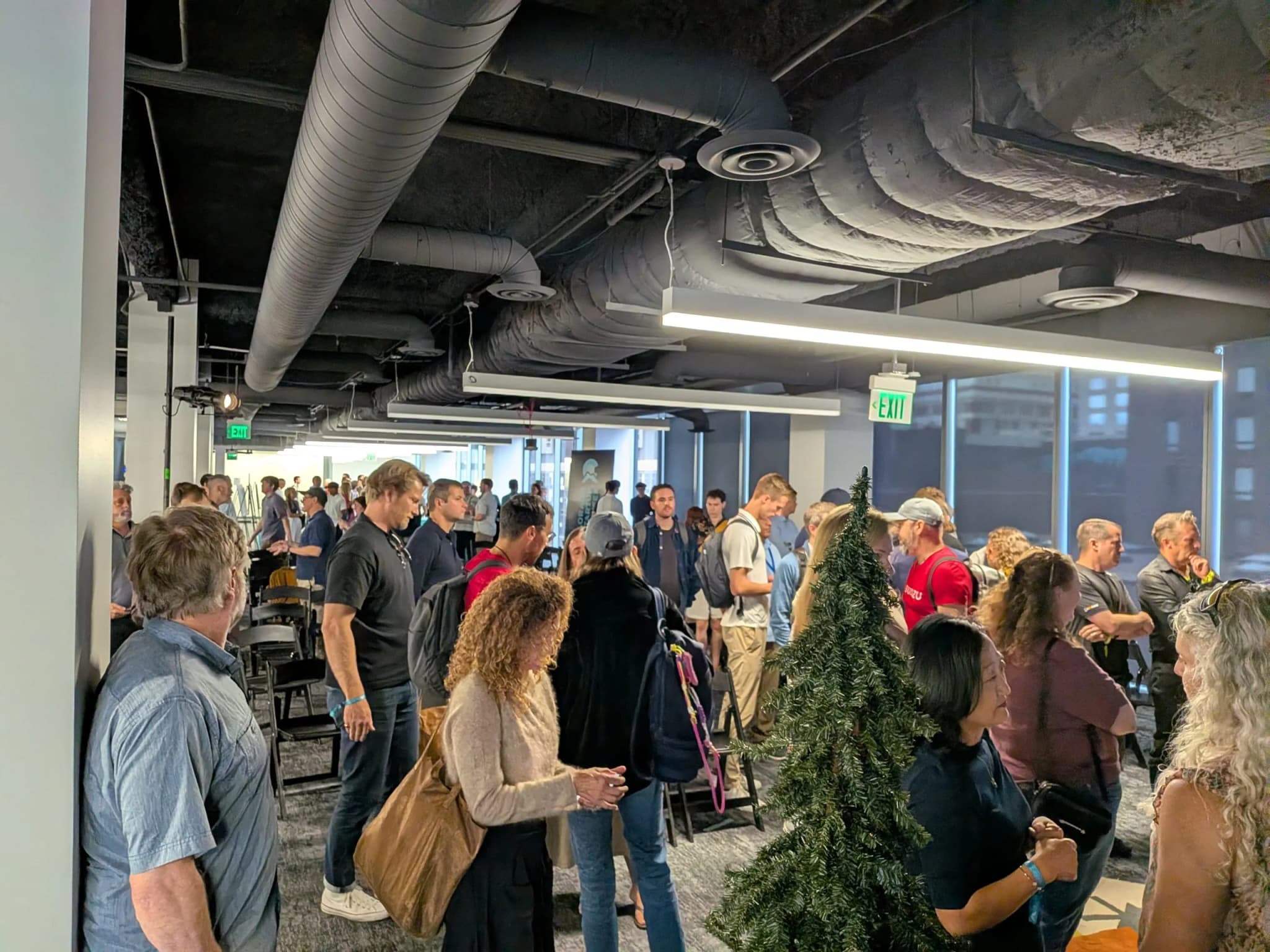
Colorado —The air inside the Denver legislative chambers feels heavy, not just with the weight of history, but with the specific anxiety of a state trying to bet on its own future. I’m standing there, or at least I was, listening to a tech optimist who’s been in the game since the World Wide Web was just a name people whispered about in 1995. He cofounded one of the first web marketing agencies back then. Now he runs a startup that uses AI to automate video storytelling. He’s not a Luddite. He’s not some old guard trying to stop the clock. He’s a builder.
And he’s worried.
Here’s the thing though: he’s worried about a law that was supposed to protect consumers but ended up scaring them off. Or at least, the money behind them.
In 2024, Colorado passed Senate Bill 205, the Consumer Protections for Artificial Intelligence bill. Supporters called it groundbreaking. Critics, including this founder of a Denver-based AI organization, called it a minefield. The language was vague. The requirements were onerous. You had to pay for expensive annual audits. You needed to hire legal and technical experts just to prove you weren’t breaking rules that hadn’t been fully defined yet.
Gov. Jared Polis signed it anyway.
He even admitted he was worried it would stifle innovation. He worried it would drive business out of the state. Most politicians nod along when they sign bills; they don’t usually voice the doubt that keeps them up at night. Polis did. And he was right to be worried.
A 2026 report from the Colorado Chamber Foundation backs up the fear. The law didn’t just create uncertainty; it triggered a tech exodus. Companies of all sizes looked at the compliance costs and decided to build elsewhere. By one estimate, the bill risked slashing $5.5 billion from Colorado’s GDP. Thirty thousand jobs were on the table by 2030. That’s not a rounding error. That’s a whole neighborhood of tech workers packing up and moving to Austin or New York.
The legislature didn’t just shrug. They delayed implementation. They set up a hand-picked panel of lawmakers, industry leaders, consumer advocates, and legal experts to fix the shoddy construction of the original act. It took two years.
Recently, they passed corrective legislation. It’s not a total repeal. It’s a renovation. The new bill looks a lot more like California’s gold-standard regulations. It focuses on consumer safety and transparency. It cuts back on the breadth and frequency of those costly audits. It clarifies what "AI" actually means in this context. And crucially, it limits how many startups get crushed under the compliance burden.
This matters for folks in Delta, in Grand Junction, in the smaller valleys where the ripple effects of a statewide tech shift eventually show up in property values and local spending. When the big tech hubs bleed, the rest of the state feels the chill.
The lesson here isn’t that AI is bad. It’s that regulation without precision is just a tax on uncertainty. The original bill tried to rein in the technology but ended up tying its own hands. The corrective legislation acknowledges that. It recognizes that you can’t regulate what you haven’t defined, and you can’t expect innovation to thrive in a fog of vague compliance requirements.
Not exactly a surprise to anyone who’s watched a startup founder try to pivot a business model while also trying to hire a compliance officer. But it’s a hard lesson for lawmakers who often prefer the optics of "doing something" over the reality of "making it work."
The tech optimist I mentioned earlier? He’s still here. His app is still automating video stories. He’s just breathing a little easier knowing the rules of the road are finally clear enough to drive on.
Outside, the sun is setting over the Front Range. The traffic on I-25 is still backed up, just like it was yesterday. The tech companies that left are gone, but the ones that stayed are still building. The law has shifted. The uncertainty has lifted, at least for now. The question is whether the next bill will be as thoughtful, or if we’ll just be fixing the last one again.
Keep up with Colorado
The day's Western Slope news, one email each morning. Free.
Federal Report Sets 200,000 Acre-Foot Water Conservation Target for Upper Basin
Colorado Parks and Wildlife Deploys Precision Drones for Weed Control