Boulder Day Nursery Projects Just $141 Net Income Despite High Tuition
Boulder Day Nursery expects only $141 in net income for 2026, highlighting the fragile financial model where high tuition barely covers costs despite $1,645 monthly averages.
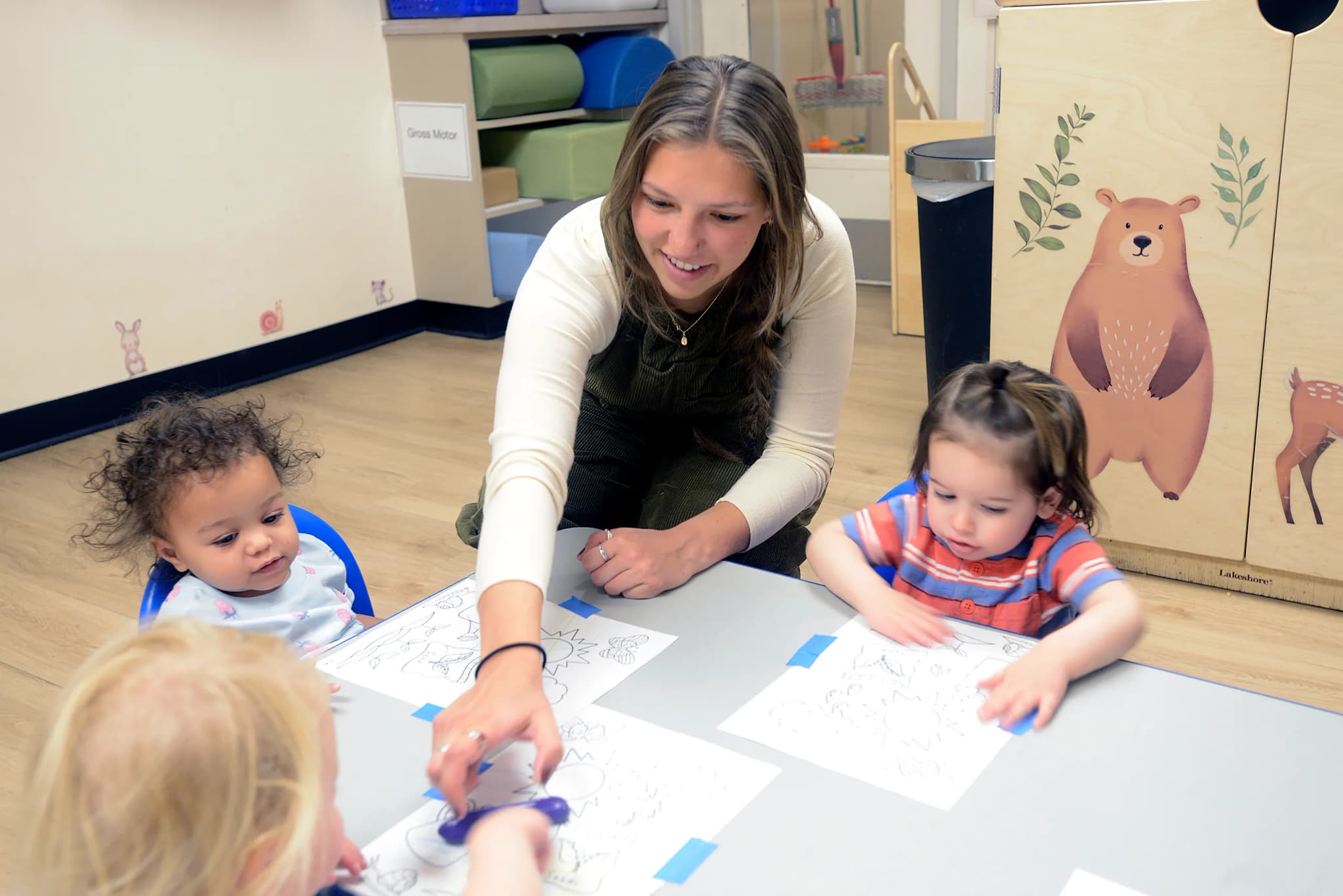
Colorado —The ledger sits on a desk in Boulder, open to a single, unglamorous line item: $141.
That’s the projected net income for Boulder Day Nursery in 2026. Not a profit to reinvest in new playground equipment or hire a new lead teacher. Just $141. It’s barely enough to cover the coffee for the treasurer, Sean D’arcy, if he drinks it all in one sitting.
Here’s the thing though: parents in Boulder County are paying an average of $1,645 a month to keep their kids there. That’s more than rent for some. It’s a mortgage payment for a studio apartment, handed over every single month for a slot in a room that smells like baby powder and industrial cleaner. And yet, the facility is barely breaking even.
The paradox of early childhood care in the state’s most expensive county is that it’s simultaneously the most expensive and the most fragile. You’d think high tuition would build a war chest. Instead, it builds a tightrope.
“We’re aiming for zero every year,” D’arcy said, overseeing the finances for the nonprofit that’s been operating since 1917. He’s not being modest. The actual goal is to end up with $5,000 to $15,000 in the bank. Anything more, and you’re sitting on cash that should have gone to staff raises or facility upgrades.
But where does the money go? The balance sheet doesn’t lie, even if it looks a little thin.
By and large, the people keeping the lights on are the parents. Seventy-six percent of the roughly $1.3 million in yearly revenue comes directly from program income. For 2026, that breaks down to $774,000 in tuition and $243,000 in government support for meals and care. The center is open five days a week, from 7:30 a.m. to 5:30 p.m., swallowing up the entire workday of the local workforce.
Yet very few families are writing out full checks. The sticker price for full-time care is $2,540 for an infant, $2,300 for toddlers, and $2,065 for preschoolers. Those are the numbers you see on the brochure. But D’arcy noted that they aim to have two-thirds of families receive some sort of financial assistance. So the tuition revenue is a mix of what parents can afford and what the state will pay on their behalf.
The rest of the funding comes from grants (18%), donations (4.5%), and miscellaneous sources like waitlist fees. It’s a patchwork quilt of income streams, and the fabric is wearing thin.
The workers caring for these children are among the state’s lowest-paid. Salaries are so low that in 2022, the state established a tax credit for early childhood education workers just to keep them from walking away. That credit is set to lapse this year.
Kaycee Headrick, who heads Boulder County’s Early Childhood Council, puts it plainly. “It’s about money. Without a strategic investment, and more investment, this industry could very well collapse.”
And that matters because the collapse isn’t theoretical. It’s happening in real time, one budget cycle at a time. The federal pass-through funding that once provided stability is shrinking. The state support for low-income families is getting tighter. And the providers are left trying to balance the books on a knife’s edge.
D’arcy is looking at the next 10 years and planning to grow the donor base significantly. They need to replace the funding provided by the Colorado Child Care Assistance Program, or CCAP. They need to find new sources of revenue to keep their organizations solvent. Not just for the wealthy families who can pay full tuition, but for everyone else.
The numbers don’t lie. The margin is razor-thin. And if the government stops paying its share, or if the parents stop paying theirs, the lights go out.
Picture a single infant sleeping in a crib, quiet and still. The mother is at work, paying $2,540 for that hour of peace. The father is at work, paying the same. The teacher is there, paid a wage that barely covers her own rent. And somewhere in the back office, a treasurer is staring at a spreadsheet, hoping that $141 is enough to keep the doors open until next year.
Keep up with Colorado
The day's Western Slope news, one email each morning. Free.



Federal Report Sets 200,000 Acre-Foot Water Conservation Target for Upper Basin
Colorado Parks and Wildlife Deploys Precision Drones for Weed Control