UCHealth Specialist Warns of Wildfire Smoke Health Risks in Rabbit Ears Pass
UCHealth lung specialist Dr. Fernando Holguin explains how wildfire smoke triggers inflammation and respiratory issues, urging residents near Rabbit Ears Pass to monitor air quality and watch for delayed symptoms.

Steamboat Springs —The air tastes like burnt wood and old regrets. It’s a specific, metallic tang that settles in the back of your throat, the kind of taste that makes you want to rinse your mouth out with cold water just to feel clean again. If you’ve spent any morning lately driving up Rabbit Ears Pass, watching that smoky haze cling to the pines like a heavy blanket, you know the feeling. The light turns golden and strange, filtering through particulate matter that shouldn’t be there, and suddenly, breathing feels like work.
It’s not just a nuisance; it’s a health crisis waiting to happen, especially for the folks in our valley who already manage asthma, heart disease, or diabetes.
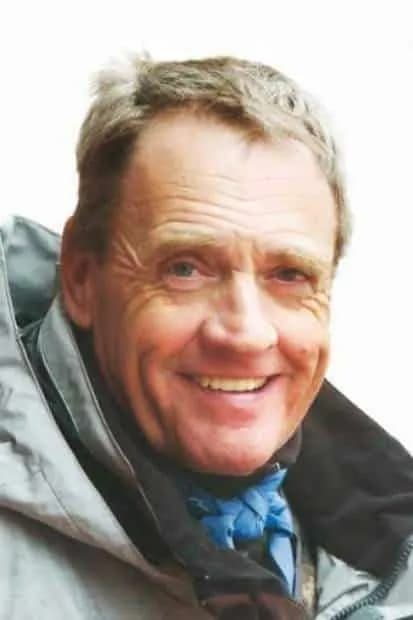
Dr. Fernando Holguin, a lung specialist who runs the severe asthma clinic at UCHealth University of Colorado Hospital, has been watching the data. He knows that when the smoke rolls in, it doesn’t just sit on the surface. “Pollution from fires causes inflammation which narrows passages in our airways,” Holguin explained. That narrowing is what turns a casual stroll into a struggle for breath, what turns a quiet evening into a tightness in the chest that won’t let up.
Wildfire smoke isn’t just smoke. It’s a cocktail of gases and tiny particles — burning trees, plant material, the fuel itself — suspended in the air we breathe. It irritates the eyes, the throat, the lungs. It triggers coughing, wheezing, and for some, the terrifying onset of an asthma attack or bronchitis. You might feel a runny nose, a headache, or just a deep, unshakable fatigue that sleep doesn’t fix.
Who is most at risk? Holguin points to the extremes of age and the complexities of health. Children and older adults face the highest stakes. But it’s not just about age. “Forest fire pollution is very dangerous to cardiovascular patients and people with diabetes, obesity and metabolic problems,” he said. If your heart is already working overtime, or your lungs are sensitive, this smoke is an additional burden your body wasn’t built to handle.
Sometimes, the sickness hits you right away. You step out, you breathe, you feel worse. ER visits spike on those days. But Holguin’s research shows there’s a lag, too. For respiratory illnesses, symptoms can worsen a few days after exposure, hiding in the background until you least expect it. And for cardiovascular issues, the day of exposure is critical. The damage can be immediate.
So, what do you do? The advice is simple, even if the execution is hard. Reduce your exposure. Check AirNow.gov. If you’re near an active wildfire, stay inside. Keep your windows closed. If you have an air purifier, use it. But more importantly, listen to your body. Holguin’s advice to those with underlying conditions is direct: “If you are ever scared, you should seek help immediately.” Don’t wait for the cough to become a wheeze, don’t wait for the tightness to become pain.
There’s a warmth to the sun filtering through the haze, a deceptive beauty that masks the irritation in your eyes. But if you look closely, you can see the particles dancing in the light beams, tiny invaders settling into your lungs. It’s a reminder that the air we breathe is never just air; it’s a mixture of everything our environment has thrown into the sky, and we have to decide how much of it we’re willing to take in.
Keep up with Steamboat Springs
The day's Western Slope news, one email each morning. Free.