Vail Plans 450-Seat Red Lion Venue to Replace Lost Musical Soul
Vail developers plan a 450-seat Red Lion venue on Bridge Street opening in 2027, aiming to fill the gap left by 8150 and capture wedding and corporate event revenue alongside the new Dobson Arena.
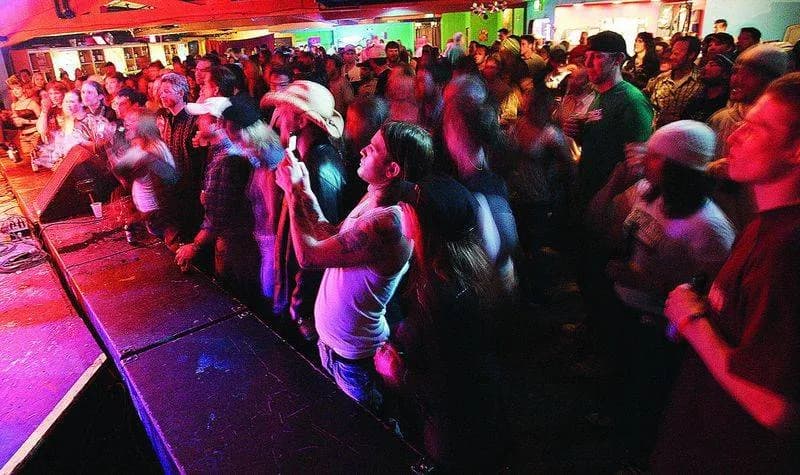
Aspen —The bass still rattles the ribcage of the Red Lion building on Bridge Street, even before a single note is played. It’s a ghost of what’s coming.
A $55.4 million renovation of Dobson Arena is hitting the finish line this ski season, adding a 3,000-seat colossus to Vail’s entertainment arsenal. But that’s not the venue locals are whispering about in the parking lots. They’re talking about the 450-capacity space planned for the Bridge Street structure, currently on track to break ground in the spring of 2027.
For context, Vail went nearly two decades without a proper Belly Up-style indoor venue after 8150 closed its doors in 2007. The demolition of Crossroads for Solaris Vail left a gaping hole in the town’s musical soul. Now, developers are trying to stitch it back together. East West Partners, Vail Resorts, and the town are collectively eyeing a concert venue as part of the broader West Lionshead redevelopment, though that proposal is still years away.
Let’s look at the numbers. You’ve got a 3,000-seat arena and a 450-seat club. On paper, that’s a diversified portfolio. In practice, it’s a test of market saturation. Can Vail support two major indoor music venues when Aspen’s Belly Up is still the gold standard?
Scott Rednor, owner of Shakedown Bar, is the man tasked with planning the Red Lion venue. He’s been tapped by the building owners to design the space while Shakedown remains in its current footprint. “They’re remodeling the building around it,” Rednor said. “Which is an honor in itself.”
Rednor isn’t just dreaming up a concert hall. He sees a multi-purpose beast. “Vail deserves an event space at the top of Bridge Street. It’s the iconic Seibert Circle. It needs to have a place where concerts can take hold, where corporate events can take hold, where people can have their rehearsal dinners and their band there.”
He’s blunt about the limitations of the current scene. “People could get married there and have their after parties there — all of the things that Shakedown is too small for and can’t handle because we don’t do food.”
This is the real story. It’s not just about live music. It’s about capturing the wedding circuit and corporate event spend that currently leaks out to Aspen or Denver. The Red Lion project is positioning itself as a hybrid: a music venue by day, a wedding and event space by night. That’s how you justify the square footage. That’s how you pay the rent.
But here’s the rub. Vail is moving from zero Belly Up-style venues to potentially two or three. The timeline is aggressive. Dobson Arena opens this year. Red Lion construction starts in 2027. West Lionshead is still in the planning stages.
If you’re a local business owner on Bridge Street, this changes your customer base. If you’re a homeowner, it changes the noise ordinance landscape. The $55.4 million for Dobson is public money and private investment mixed together. The Red Lion project is private development, but it’s tied to the same real estate engine that drives up property values.
The question isn’t if Vail will have music venues. It’s whether the town can handle the density. Eighty-one hundred people watched The Band’s “Last Waltz” sendoff in 8150. That was intimate. That was legendary. The new Red Lion space aims for 450. It’s smaller, yes, but it’s part of a larger, more commercialized infrastructure.
Rednor recently opened a sandwich shop with a full bar and small stage above Shakedown. He’s already diversifying. The Red Lion venue will be the anchor. The West Lionshead proposal will be the expansion.
The bottom line? Vail is betting big that the local economy can absorb a second major indoor music venue without cannibalizing the first. It’s a gamble on the belief that the “musical soul” lost in 2007 can be rebuilt with concrete, steel, and corporate event contracts. If it works, Bridge Street becomes a destination. If it doesn’t, you’ve got a 450-seat building waiting for the next wave of developers to turn it into luxury condos.
Keep up with Aspen
The day's Western Slope news, one email each morning. Free.