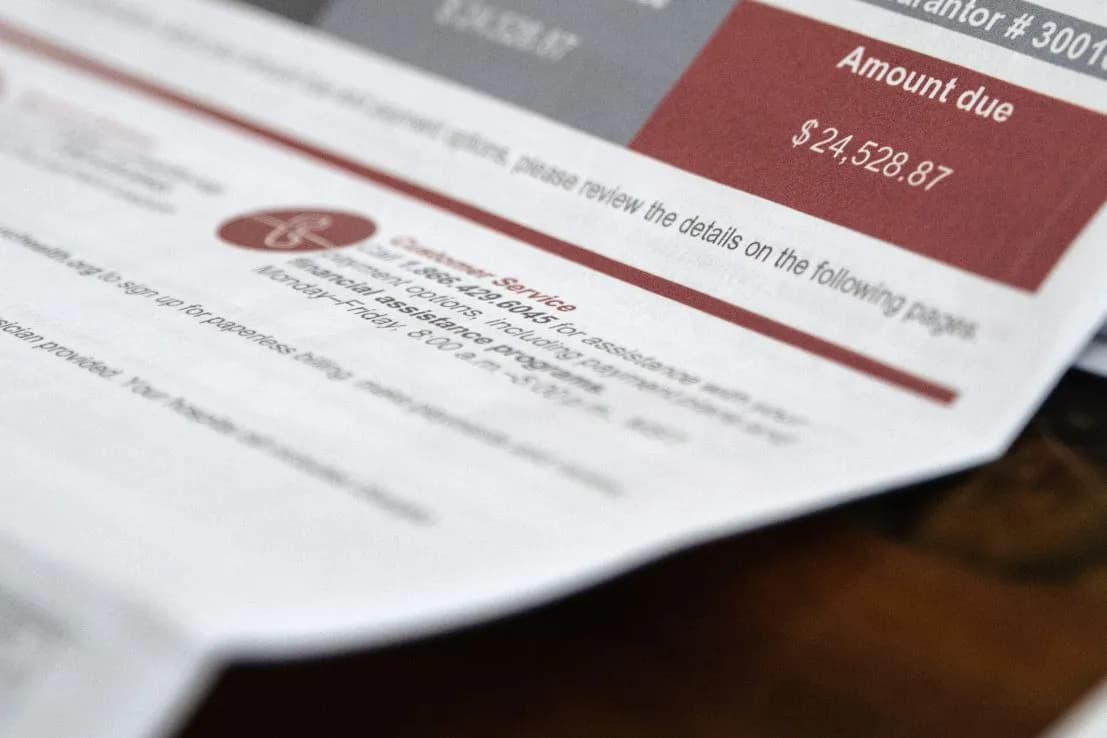
PERA Executive Director Cuts Investment Bonuses After Pay-Performance Gap
PERA Executive Director Andrew Roth proposes capping investment bonuses to align with regional benchmarks after staff bonuses doubled while portfolio returns lagged behind benchmarks.
Colorado —Andrew Roth doesn’t mince words when he looks at the ledger. He told the board’s Compensation and Budget Committee last week that the Colorado Public Employees’ Retirement Association (PERA) is “getting too far out ahead” of its peers. The goal? Stop being an outlier.
On paper, that sounds like prudent fiscal management. In practice, it’s a polite way of saying the investment staff is getting paid too much compared to other state pension funds of similar size.
Let’s look at the numbers that triggered the panic. Of the 38 people who managed PERA’s investments since 2020, nearly half doubled their salaries through bonuses. The average bonus payout per employee jumped from $187,000 in 2020 to $294,000 last year. That is a 57% increase in a single year for the average high-earner.
Roth, the executive director, wants to cap that growth. He’s recommending changes this fall to ensure the maximum award opportunities align with regional benchmarks. “We don’t want to be an outlier,” Roth said. It’s a simple statement, but it implies that for the last six years, PERA has been throwing money at its investment team to secure returns, and the bill has come due.
The scrutiny isn’t just theoretical. It’s rooted in a Colorado Sun investigation that exposed PERA’s compensation as significantly higher than comparable regional pensions. While other states might pay bonuses to retain talent, PERA’s bonus structure has been aggressive enough to double base salaries for a significant chunk of its portfolio managers.
But here is the twist: the staff missed its performance targets for the third year in a row.
PERA’s investment portfolio earned 14.1%. The benchmark index funds it uses to measure success returned 16.3%. They underperformed by over two percentage points. You don’t pay a bonus for underperforming the market. Yet, they did.
This disconnect between pay and performance is what’s driving the proposed changes. Roth is arguing that the current philosophy generates numbers that put PERA ahead of the curve in a bad way. If the philosophy drives bonuses that are higher than what peers pay for similar results, the philosophy needs refining.
The financial backdrop adds urgency. PERA is about 69% funded. It has 69% of the money needed to pay all retirement benefits it owes now and into the future. That sounds stable, but it’s fragile. The unfunded debt increased, and overall funding declined slightly for the third straight year. Why? The lingering effects of a disastrous 2022. That year, PERA lost 13.4% on its portfolio. Accounting practices spread out that volatility, so the full impact only just hit the balance sheet.
Despite the underperformance and the ballooning unfunded debt, Roth insists on keeping some form of incentive pay. He points to a 2022 academic study suggesting higher-paid chief investment officers outperform their peers. It’s a classic defense: pay more to get better results, even if the last few years show you’re paying more for worse results.
The good news for the 700,000 members? Contribution rates and retiree cost-of-living raises will remain unchanged in 2027. The stock market had a strong year, and all five divisions are on track to hit 100% funding by 2048, the state-mandated target.
So, what’s the practical impact for the folks watching the pension fund? The bonuses are coming down, or at least capping out. The investment team is being told to align with the rest of the country. It’s a correction. It’s not a revolution. It’s just PERA admitting that for the last six years, it paid a premium for performance it didn’t quite deliver.
The bottom line is this: the investment staff is getting a pay cut relative to their previous trajectory. The bonuses that once doubled salaries will likely normalize. For the taxpayers and members footing the bill for a 69% funded pension, that’s a small victory. It doesn’t fix the 13.4% loss from 2022. It doesn’t close the unfunded gap. But it stops the bleeding of excess cash while the portfolio struggles to beat the index.
Keep up with Colorado
The day's Western Slope news, one email each morning. Free.


Federal Report Sets 200,000 Acre-Foot Water Conservation Target for Upper Basin
Colorado Parks and Wildlife Deploys Precision Drones for Weed Control