Colorado Data Center Boom Faces Widespread Local Opposition
A Magellan survey reveals 82% of Coloradans oppose local data centers, yet projects proceed in Colorado Springs, Weld County, and Aurora despite resident objections.
“Eighty-two percent of Coloradans oppose a data center in their city or town,” the Magellan survey found. It is a number that should keep politicians awake at night, yet approvals keep coming.
The tension is palpable right now. In Colorado Springs, the City Council holds a critical public hearing Thursday regarding the proposed “Taurus” data center. Located near the Garden of the Gods on the site of a former microchip factory, the project aims to draw up to 50 megawatts of power from Colorado Springs Utilities. To hear the neighborhood groups tell it, the fear isn’t just about the hum of servers; it’s about the tangible impact on their daily lives — noise, traffic, and the strain on local infrastructure.
This local resistance mirrors a statewide trend. The same Magellan survey, conducted among 1,389 registered voters, revealed that 77% oppose a data center in their county and 86% oppose one near their neighborhood. Perhaps most striking, 55% of those surveyed favor a complete ban on all data center construction. For younger voters, the sentiment is even stronger: among those aged 18 to 44, support for a ban rises to 68%.
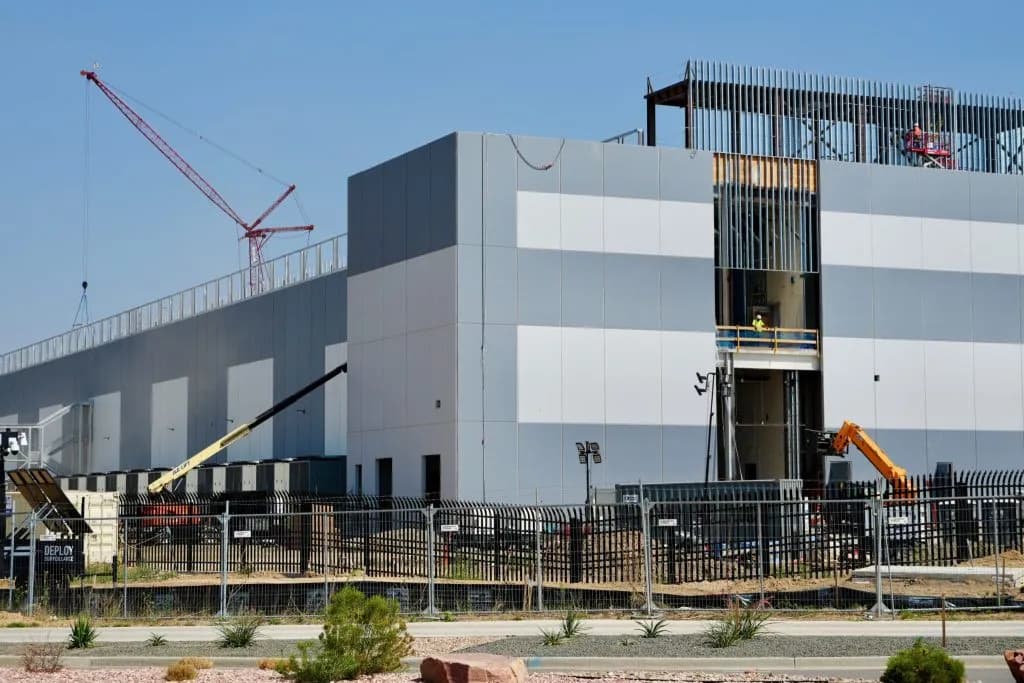
Despite this swelling opposition, developers are moving fast. In Weld County, the Commission approved a plan from Global AI on Sept. 9 that will become the state’s largest data center operation. The 41-acre facility is being built on a 438-acre parcel previously controlled by Carestream Health and Eastman Kodak. While many local residents objected, the commissioners noted they were adding strict limitations. These include a mandatory closed-loop cooling system to reduce water usage, caps on noise pollution, and a decommissioning and bonding plan. The city of Greeley is also moving to annex the land near Windsor where Global AI is building.
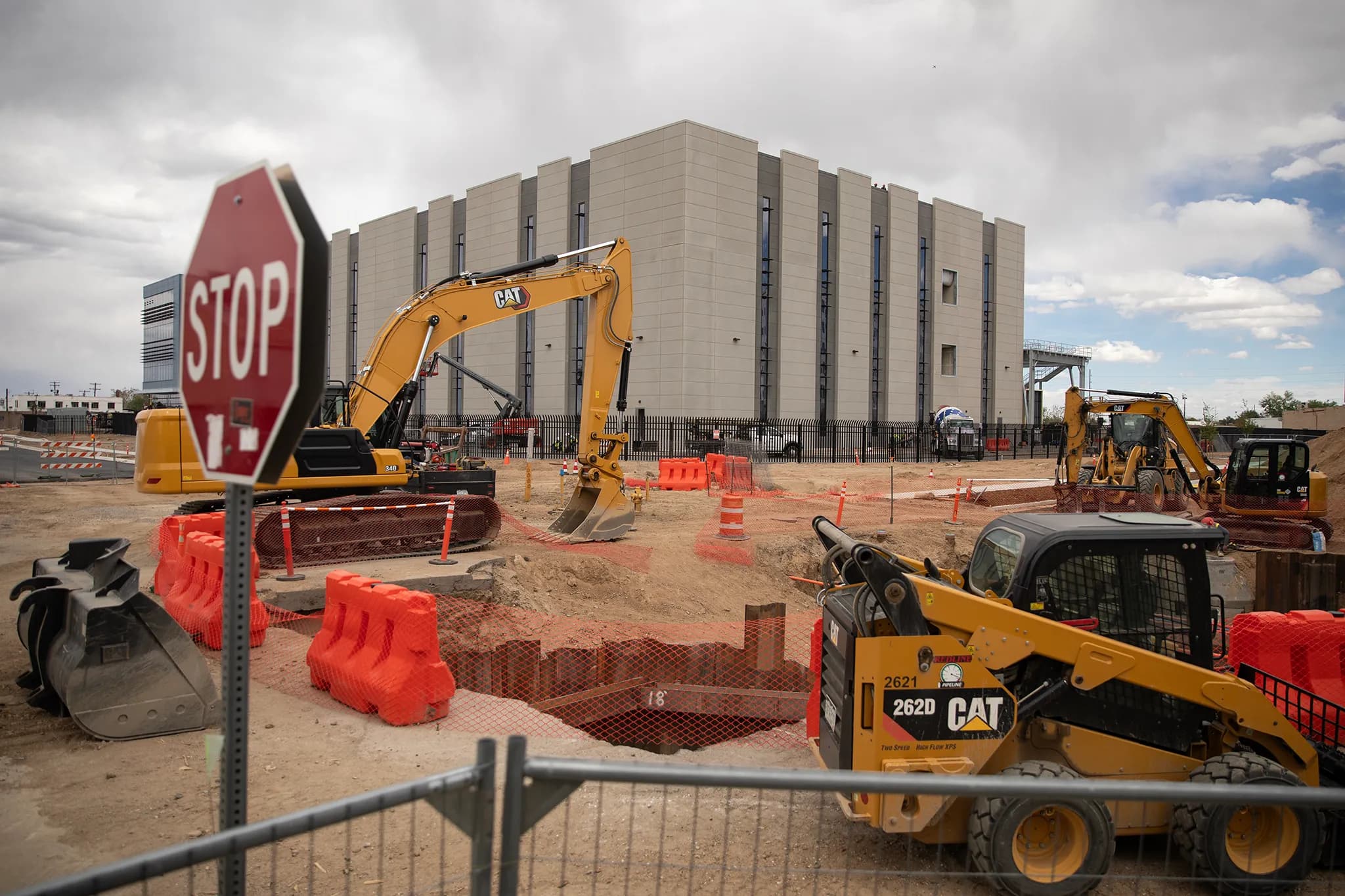
In Aurora, the situation is equally complex. The city is home to the state’s largest data center complex, built by QTS. As the next phase of construction progresses, the operation could draw many times the electrical needs of Denver International Airport. A major point of contention has become the backup generators. These fossil-fuel-driven units are designed to secure data flow during power outages, but critics argue they produce alarming levels of local pollution. The question is whether the promise of digital infrastructure outweighs the immediate environmental costs.
As these projects move from proposal to concrete, the gap between developer optimism and public skepticism widens. The math holds up for the investors, but for the neighbors watching the cranes rise, the stakes are personal.
Keep up with the Western Slope
The day's Western Slope news, one email each morning. Free.