Colorado Defends $8 Million In-Home Care Audit Against Federal Claims
The Office of Inspector General accuses Colorado of misspending $8 million on in-home care, but state officials argue the small audit sample ignores rural connectivity issues and confirms services were delivered.
Colorado —The dust hangs low over the rural stretches of Garfield and Mesa counties, where cell service is a suggestion rather than a guarantee. In those dead zones, a caregiver for a disabled adult doesn’t need to worry about GPS satellites pinning their exact coordinates to a digital map. They just need to make a phone call or log in when they can.
That’s the system Colorado built. It’s also the system the federal government is now auditing into the ground.
The Office of Inspector General (OIG) released its findings Tuesday, accusing the state of misspending federal funds on an in-home care program for people with disabilities. The price tag? At least $8 million.
Let’s look at the numbers. The audit covered the 2024 state fiscal year. Colorado submitted 1.3 million claims, each worth at least $25. The total cost of those claims was nearly $300 million, split between the federal government and the state.
Federal auditors didn’t review all 1.3 million claims. They pulled a random sample of 160.
On paper, 160 seems like a decent slice of the pie. In practice, it’s a sliver.
Bonnie Silva, director of the Office of Community Living at the Colorado Department of Health Care and Financing, isn’t buying the audit’s confidence. She called the sample size "incredibly small" and "inadequate."
“We gave them 1.3 million claims. Their audit sample was 160 claims,” Silva said. “We have representation concerns.”
She did the math for us. 160 claims is just 0.0001% of the total. If you’re betting your tax dollars on a sample that small, you’re rolling the dice.
The core dispute isn’t whether money vanished into thin air. It’s about how we track the people delivering the care.
Federal regulations require workers to verify their location using an electronic visit verification system. The goal is simple: stop fraud. Ensure the caregiver is actually at the client’s home, not just billing for hours they didn’t work.
Colorado’s system, developed early in the rollout of these electronic verification programs, allows for manual entry. If the internet is spotty or the caregiver forgets to check in, they can log the visit later. They don’t need GPS. They can call into the system.
The OIG argues this flexibility creates holes in the security net. Silva argues it’s a feature, not a bug, for a state with vast rural areas.
“The issues were ‘isolated documentation and system-related issues,’ not spending on care that didn’t occur,” Silva said.
Her team’s position is clear: the services were delivered. The caregivers were authorized. The only problem is that the paperwork doesn’t always perfectly match the federal government’s rigid GPS expectations.
“There was nothing in their findings that indicated that the services that were provided or billed for were not actually delivered,” Silva said. “There’s nothing to indicate that the services were not provided as required, so we should not be paying those dollars back.”
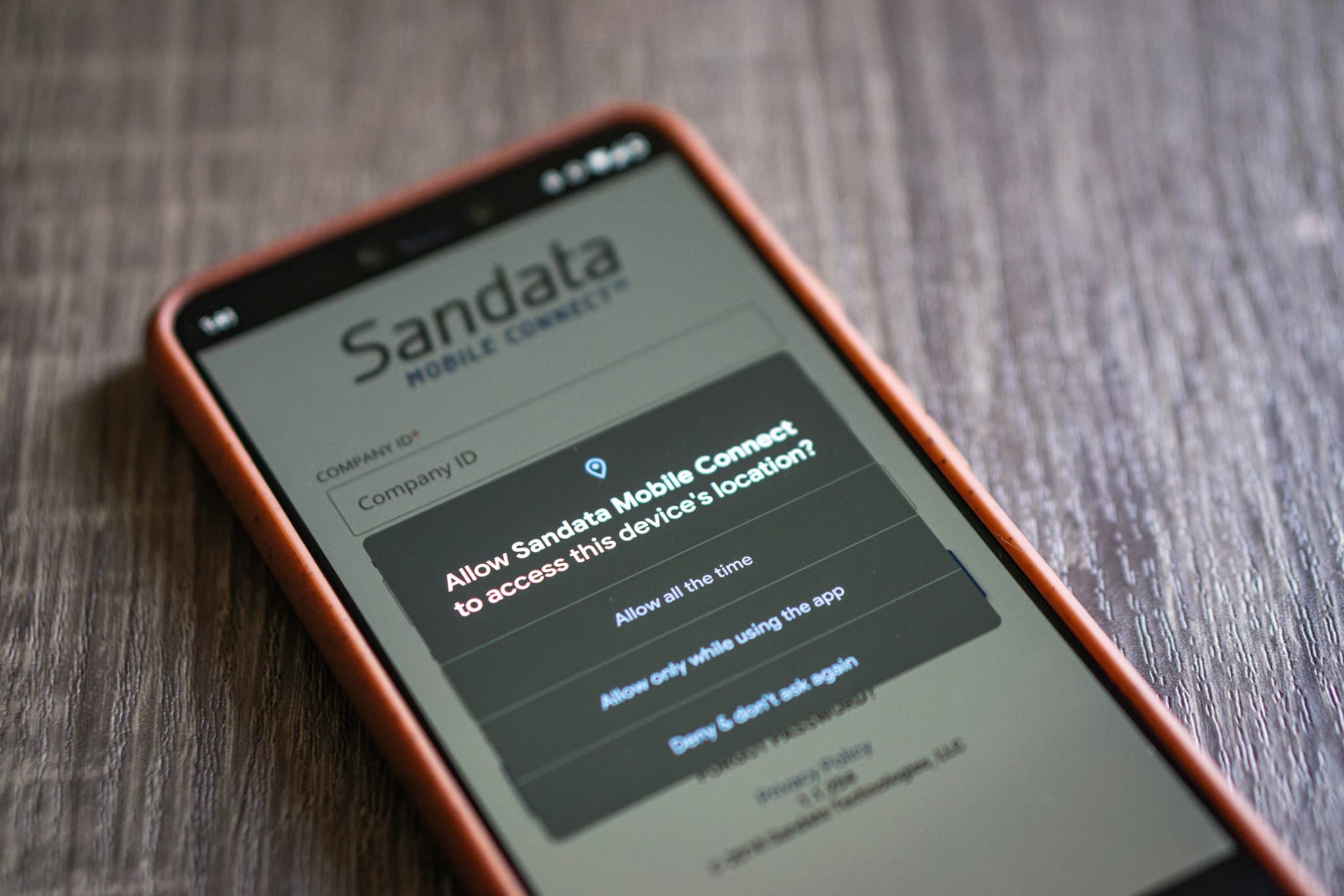
The Sandata app, which tracks provider locations, uses location functions to verify these visits. But for many folks on the Western Slope, relying on a digital pin drop in a valley with patchy coverage feels like setting the system up to fail.
The federal government wants its $8 million back. Colorado says it’s keeping it, citing a sample size that doesn’t represent the whole picture.
For locals, the impact is logistical, not necessarily financial. This isn’t a sudden cut to your neighbor’s care hours. It’s a bureaucratic tug-of-war over documentation standards. If the feds win, Colorado might have to tighten the screws on how we log those visits, potentially slowing down care in areas where a simple phone call is the only thing connecting a provider to the system.
The state has until the OIG’s final decision to make its case. Until then, the $8 million stays in Colorado’s coffers, and the debate over whether a voice call is enough proof of presence continues.
Keep up with Colorado
The day's Western Slope news, one email each morning. Free.


Federal Report Sets 200,000 Acre-Foot Water Conservation Target for Upper Basin
Colorado Parks and Wildlife Deploys Precision Drones for Weed Control