Colorado Drivers Map Wildlife Collisions to Save Crossings Funding
Colorado drivers mapped animal collisions to justify new wildlife crossings, aiming to save the expiring federal funding program that reduces road deaths by up to 90 percent.
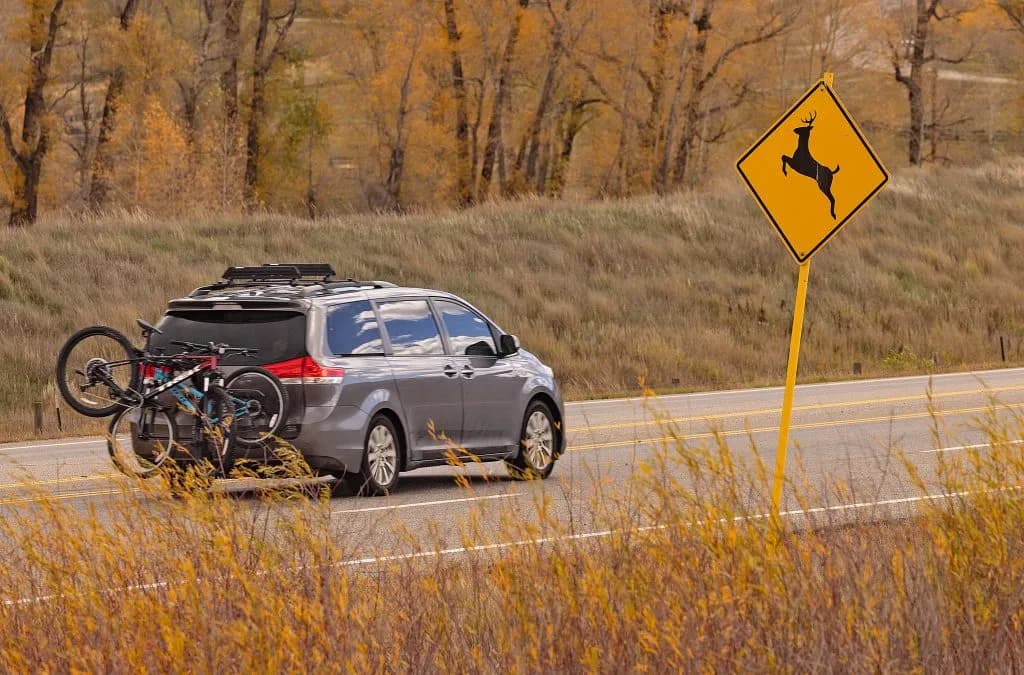
Steamboat Springs —One million vertebrates. That is the estimated number of animals with a backbone killed on U.S. roads every single day.
Eleven per second, nationwide. It is a staggering rate of loss that most drivers never see because they are focused on the white line, not the shoulder. But for folks driving through the valleys and mountains of Colorado, the question is practical and immediate: if you spot a dead deer or a live elk on the roadside, does it actually matter? Does that one sighting change anything for your commute or your town’s infrastructure plans?
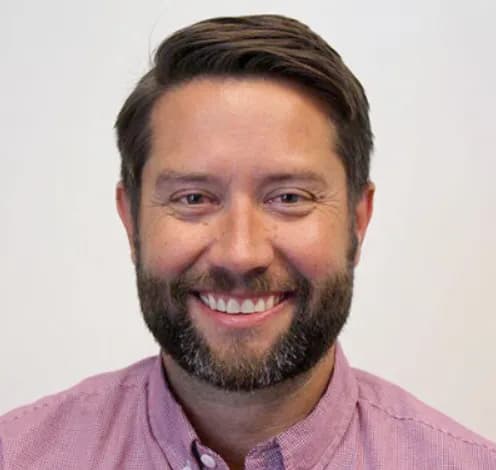
According to Andrew Rothman, wildlife campaigns director for Environment America, yes. It matters because data drives construction.
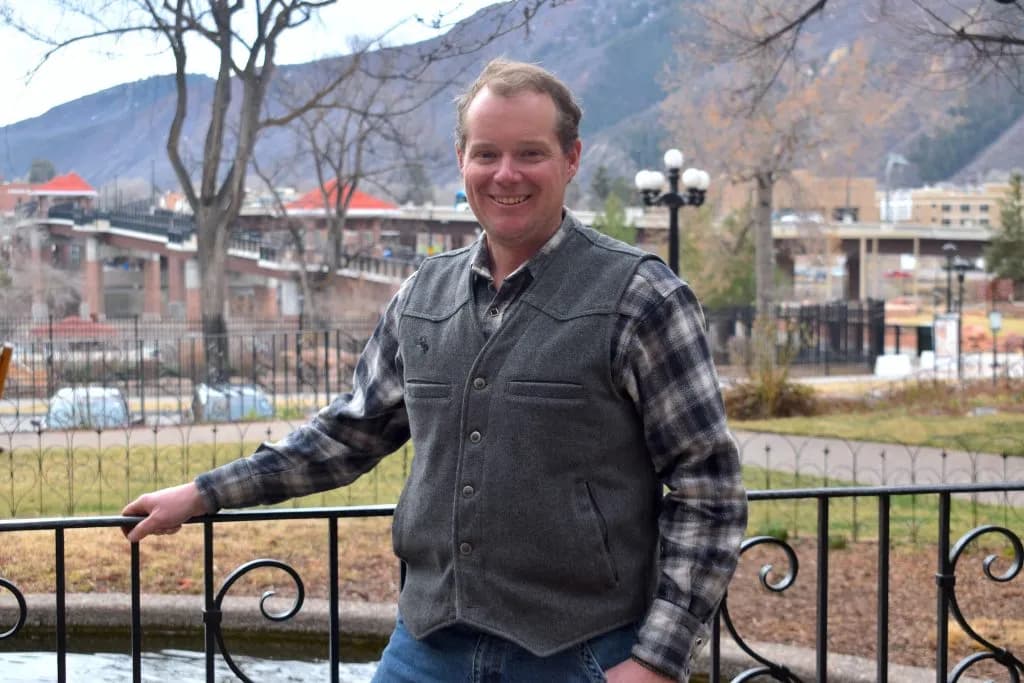
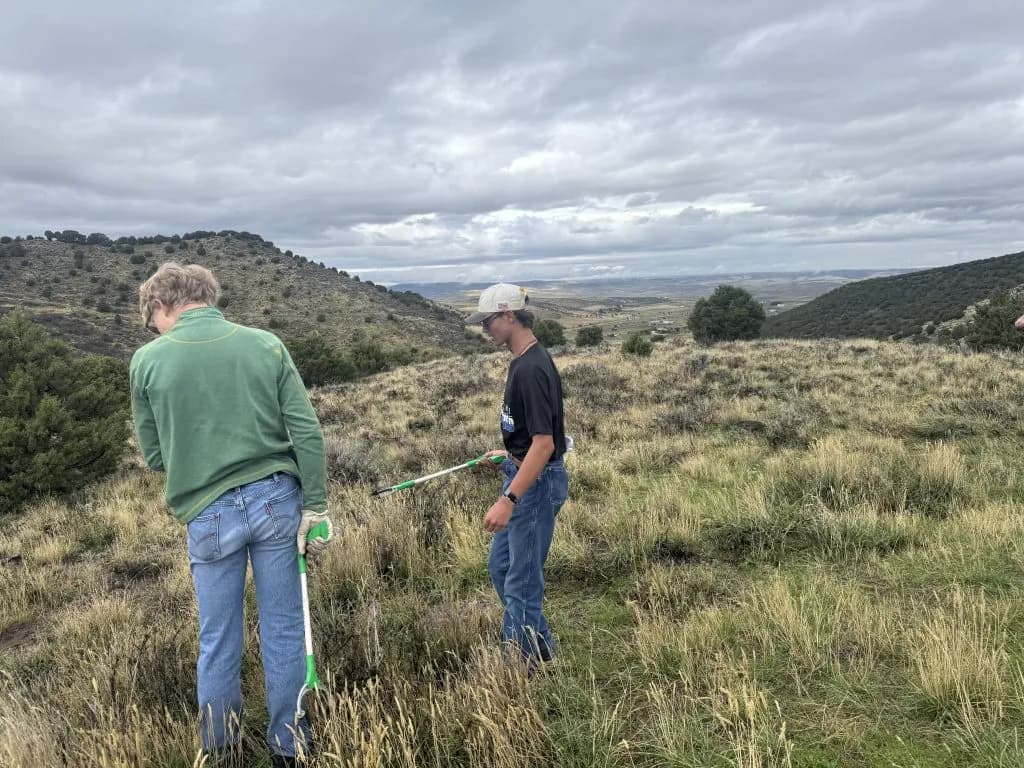
Rothman is currently working with Environment Colorado advocate Henry Stiles to conduct wildlife survey campaigns. The goal is simple: map where animal encounters are occurring and identify trends. “We want people to pay attention to the wildlife as they are driving,” Rothman said in a report by the Steamboat Pilot.
The organization conducted its primary survey window between Oct. 2 and Oct. 11. That specific window has closed, but the data collection doesn’t stop there. “The public can continue collecting data,” Rothman said, “We just won’t be processing it with the data set we are collecting between Oct. 2-11.”
So, what happens with that data? It goes toward deciding where to build wildlife crossings. These are structures — overpasses or underpasses — that allow animals to cross major highways without entering the path of a moving vehicle.
For context, Colorado is already a leader in this space. The most famous example is the Greenland Overpass spanning Interstate 25 between Larkspur and Monument. It works because roads do two things: they cut up habitat and limit migration. “Something like the Greenland Overpass gives wildlife an avenue to cross safely,” Rothman said. “Once one makes it across, we see species begin to utilize the overpasses more and more.”
The math on these structures is compelling. If placed in areas of high collision rates, the data suggests collisions are reduced by up to 90%. That is not a marginal improvement. It is a near-elimination of the hazard in those specific zones.
However, there is a catch. The federal Wildlife Crossings Pilot Program is funding these projects, and that funding is set to expire unless it is reauthorized. It is likely the program will not be funded until the next Congress is seated after the midterm election.
Rothman called it a “wildly successful program so far” and hopes it continues and expands. But expansion requires money, and money requires political will in Washington, not just observation on a rural stretch of I-70 or US 550.
There is also the issue of fencing. Fencing provides a funnel for animals, guiding them toward the overpass. But not all fencing is created equal. “There is good fencing and bad fencing,” Rothman said. Good fencing funnels wildlife across the crossings. Bad fencing can trap animals, particularly species like Pronghorn Antelope that are not good jumpers.
The data gathered in October will help pinpoint exactly where those high-casualty zones are. It will identify the specific road segments where deer, elk, moose, bears, squirrels, and foxes are most vulnerable. The current data supports the theory that animals are hit at a higher rate in the fall months, when deer, elk, and moose are in their rut and other species fatten up for winter.
For locals, the practical impact is this: your next drive through a high-traffic corridor might be safer if you pay attention. If you see an animal on the road, note it. The goal is to build a map that justifies spending millions of dollars on infrastructure that saves lives, both animal and human. The funding is shaky, the politics are uncertain, but the data is the only tool that forces a conversation about where to put concrete and steel.
Until then, keep your eyes open. The eleven animals dying every second in the U.S. include some that are right here, on our roads, waiting for a crossing that hasn’t been built yet.
Keep up with Steamboat Springs
The day's Western Slope news, one email each morning. Free.